Key Takeaways
- Lab-grown diamonds can be produced in a matter of weeks, significantly faster than their natural counterparts which take millions of years.
- The growth process involves precise temperature and pressure control, mimicking the conditions deep within the Earth.
- Current technology allows for the creation of high-quality diamonds with minimal environmental impact.
- Lab-grown diamonds are more affordable than traditionally mined diamonds, making them a viable alternative for jewelry.
- While the market is growing, lab-grown diamonds still represent a fraction of the overall diamond industry.
- Consumer demand for ethical and sustainable products continues to drive the growth of the lab-grown diamond market.
- As technology advances, the quality and availability of lab-grown diamonds are expected to increase further.
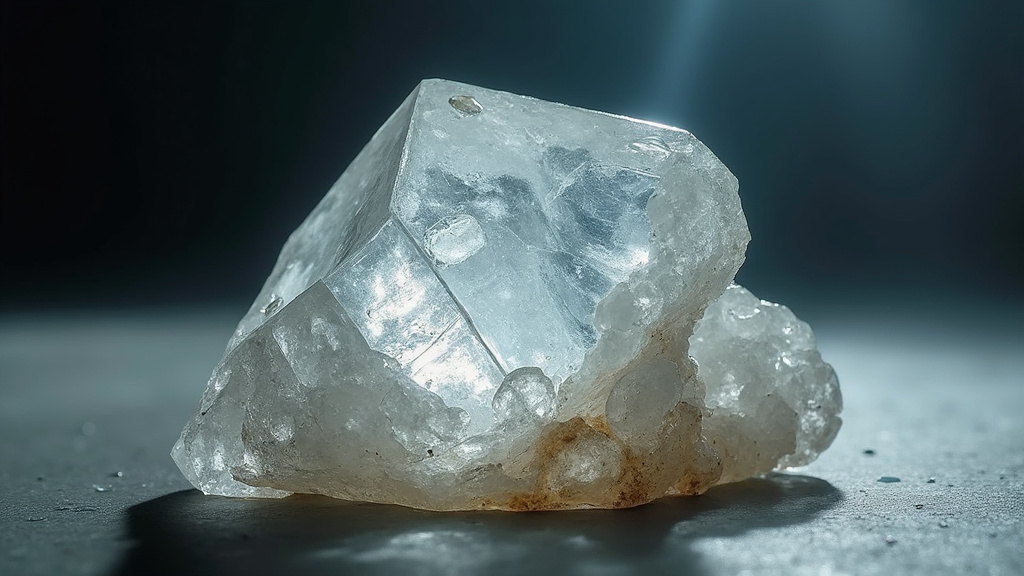
Lab-grown diamonds take about 3 to 6 months to create. This process starts with a small seed of diamond, which is then grown under strict conditions using advanced technology. Unlike natural diamonds, which form over millions of years, lab-grown diamonds offer a faster and more sustainable alternative.
The demand for diamonds has long been a driving force behind the global economy, with traditional mining practices dominating the supply chain. However, the advent of Lab Grown Diamonds offers a revolutionary alternative, promising not just ethical sourcing but also a faster and more efficient method of production. Understanding how long this process takes is crucial for consumers and industry professionals alike, as it sheds light on the environmental impact and cost-effectiveness compared to natural diamond mining. This article delves into the intricate timeline of Lab Grown Diamond creation, providing valuable insights into this cutting-edge technology.
- Understanding the Lab Grown Diamond Creation Process
- From Seed to Stone: The Timeline of Lab Growth
- Factors Influencing the Maturation Time of Lab Diamonds
Working With a Trusted diamonds in Hoboken
Looking for lab grown diamonds in Hoboken, NJ? W. Kodak Jewelers Hoboken, NJ serves the local area and can answer questions specific to Hoboken.
Understanding the Lab Grown Diamond Creation Process
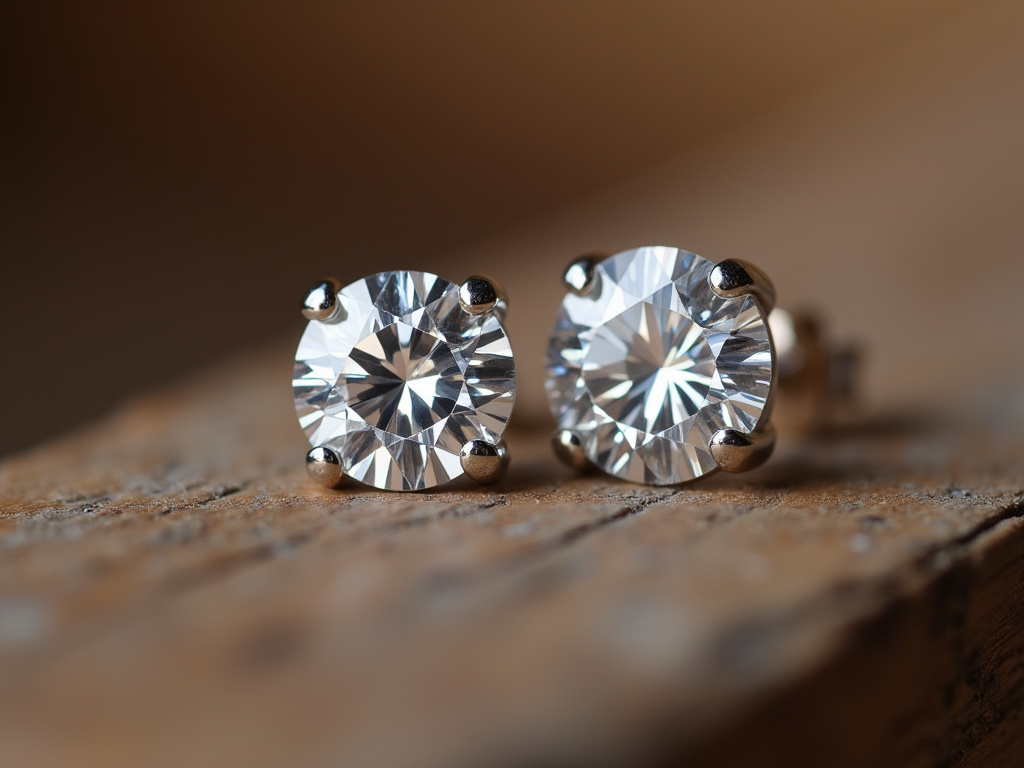
The creation of Lab Grown Diamonds is a meticulous and highly advanced process, offering a sustainable and ethical alternative to traditional mining. Understanding this journey is key to appreciating the quality and value of these man-made gems. The entire process typically spans several weeks to months, depending on the desired size and specifications. It begins with the careful selection of a substrate, usually a high-purity carbon material, which serves as the foundation for diamond growth. This substrate is then placed within a specialized furnace, subjecting it to extreme pressure and temperature conditions. These conditions mimic the natural process of diamond formation deep within the Earth’s crust.
During the growth phase, advanced technology is employed to control and monitor the environment precisely. This includes controlling the gas mixture, temperature, and pressure to ensure the development of a high-quality diamond. The growth process itself can vary in duration, with larger diamonds requiring more time. On average, a Lab Grown Diamond of standard size can be produced in around 30-60 days, a fraction of the time it takes to mine and refine natural diamonds. After growth, the diamonds undergo cutting and polishing, much like their natural counterparts, to achieve their final brilliance and clarity.
When considering Lab Grown Diamonds, it’s crucial to ask the right questions. Inquiring about the growth process and the specific techniques used can provide valuable insights. Additionally, understanding the cost structure is essential. While Lab Grown Diamonds generally cost less than their natural counterparts, the price can vary based on size, color, and clarity. What sets Lab Grown Diamonds apart is their consistent quality and ethical origin, ensuring a responsible and sustainable choice for jewelry and investments.
From Seed to Stone: The Timeline of Lab Growth
The journey from seed to stone in the case of lab-grown diamonds is a fascinating process that involves precise scientific techniques and meticulous care. Unlike their mined counterparts, these diamonds are created in a controlled environment, offering a more sustainable and ethical alternative. The timeline for growing a diamond in a lab can vary, but typically spans several weeks to months, depending on the desired size and quality. This advanced technology has revolutionized the diamond industry, providing consumers with an appealing option that is both environmentally friendly and cost-effective.
The process begins with a small seed, often a fragment of a natural diamond or a synthetic material specifically designed for growth. This seed is placed in a specialized container, where it’s subjected to high pressure and temperature conditions mimicking the natural diamond formation process. Over time, layers of carbon atoms build up around the seed, gradually forming a crystalline structure—a lab-grown diamond. The growth rate can be adjusted to control the size and cut of the final stone, making it possible to create diamonds with remarkable clarity and beauty.
However, it’s essential to consider that while lab-grown diamonds offer numerous advantages, they may still face skepticism from some consumers. A common question is whether Tiffany diamonds are mined or lab-grown. Known for its commitment to quality and craftsmanship, Tiffany & Co. has ventured into the lab-grown diamond market, addressing this concern head-on. By choosing lab-grown diamonds, consumers can ensure ethical sourcing without compromising on the exceptional qualities associated with fine jewelry. When selecting these stones, it’s crucial to look for certifications and guarantees from reputable sources to assure the authenticity and origin of the diamond. This includes understanding what constitutes a high-quality lab-grown diamond and how to identify its unique characteristics—a vital step in making an informed decision.
Factors Influencing the Maturation Time of Lab Diamonds
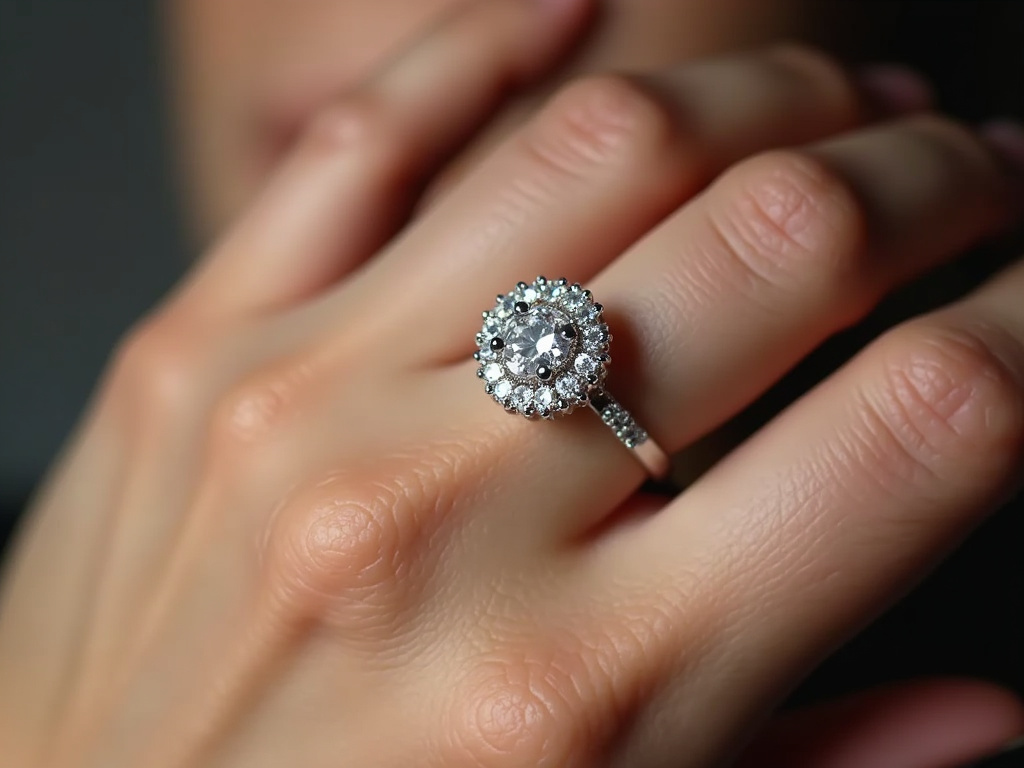
The maturation time of Lab Grown Diamonds varies based on several factors, making the process both intricate and fascinating. While the core concept behind lab-grown diamonds is to mimic the natural diamond formation process, the precise timing is influenced by the specific methods and conditions employed. This complexity is a testament to the advanced technology behind lab-grown diamond creation, ensuring each stone is unique.
Key factors play a pivotal role in determining how long it takes for lab-grown diamonds to reach their full potential. For instance, the type of growth process used, whether it’s pressure-temperature (PT) or chemical vapor deposition (CVD), significantly impacts maturation time. PT methods, which replicate the natural diamond formation, typically require a longer duration, often several weeks to months, as high-pressure and high-temperature conditions are simulated. Conversely, CVD processes, which involve depositing atomic layers of carbon onto a substrate, can produce diamonds in a matter of days to weeks, making it a faster alternative.
Furthermore, the desired characteristics and quality of the final diamond influence the maturation process. Higher-quality diamonds with specific color, clarity, and cut requirements may necessitate extended periods of growth to achieve the desired specifications. This is where expertise in the field becomes crucial, as specialists can guide individuals through the process, ensuring they understand the intricacies and questions to ask when considering lab-grown diamonds. For instance, understanding what does the lab-grown diamonds process involve in Hoboken or any other location can help prospective buyers make informed decisions, ensuring they don’t merely purchase a stone but invest in a superior quality product.
Frequently Asked Questions About how long does Lab Grown Diamonds take
How long does the entire lab-growing process take for a diamond?
The lab-growing process for diamonds typically takes several weeks to a few months, depending on the size and quality of the desired diamond. This includes the steps of seeding, growth, and cutting. The initial seeding stage, where a small seed crystal is placed in a high-pressure, high-temperature environment, can take around 1-2 weeks. The growth period, during which the diamond crystal develops, can last from 4 to 6 weeks. Finally, the cutting and polishing process, crucial for achieving the diamond’s brilliance, can add another 2-4 weeks.
Are there any variations in growth time based on diamond size?
Yes, larger diamonds generally take longer to grow than smaller ones. The growth time is directly proportional to the diamond’s size and weight. For example, a 1-carat diamond might take around 6-8 weeks to grow, while a 2-carat diamond could require 8-12 weeks, assuming all other factors remain constant.
How do lab-grown diamonds compare to naturally-mined diamonds in terms of growth time?
The lab-growing process offers a significant advantage in terms of speed compared to natural diamond formation, which takes millions of years. Lab-grown diamonds achieve their full size and quality in a fraction of the time, making them a more efficient and faster alternative to traditional mining.
Can the growth time be accelerated or adjusted?
While the core lab-growing process is standardized, certain variables can be adjusted to some extent to potentially speed up or slow down the growth. Factors like temperature, pressure, and growth solution composition can influence the growth rate. However, these adjustments have limits and may not always result in significant time savings.
What is the typical turnaround time for receiving a lab-grown diamond after ordering?
After placing an order, the turnaround time for receiving a lab-grown diamond typically ranges from 3 to 6 weeks. This includes the entire process from growth to cutting and polishing. Some companies may offer expedited services for an additional fee, reducing the time to a few weeks.
Do lab-grown diamonds require any special care or storage after they’re grown?
Just like naturally-mined diamonds, lab-grown diamonds require proper care to maintain their brilliance and durability. They should be stored in a safe place to avoid damage and exposure to harsh chemicals. Regular cleaning and polishing can help preserve their luster. However, lab-grown diamonds are generally more resistant to scratches and chips due to their uniform crystal structure.
The journey from seed to stone in the creation of lab-grown diamonds is a fascinating process, offering a compelling alternative to traditional mining. Understanding the intricate steps involved provides insight into the time required for these man-made marvels to mature. Key factors, such as pressure, temperature, and chemical composition, play a pivotal role in determining the maturation time, which can vary significantly. By delving into these variables, researchers and diamond artisans can optimize the lab-grown diamond creation process, ensuring consistent quality and efficiency. This advanced technology not only satisfies the demand for conflict-free gems but also opens doors to innovative applications in jewelry design and industrial settings, solidifying the significance of lab-grown diamonds in today’s market.
W. Kodak Jewelers
60 Newark St., Hoboken, NJ 07030
(201) 710-5490
View W. Kodak Jewelers on Google Maps
How to get to W. Kodak Jewelers from Maxwell Place Park
Coming from Maxwell Place Park? W. Kodak Jewelers is close by. Head out on 11TH Sinatra Dr N and you'll find us on Newark St. at 60 Newark St., Hoboken, NJ 07030. Use the map below for turn-by-turn directions.