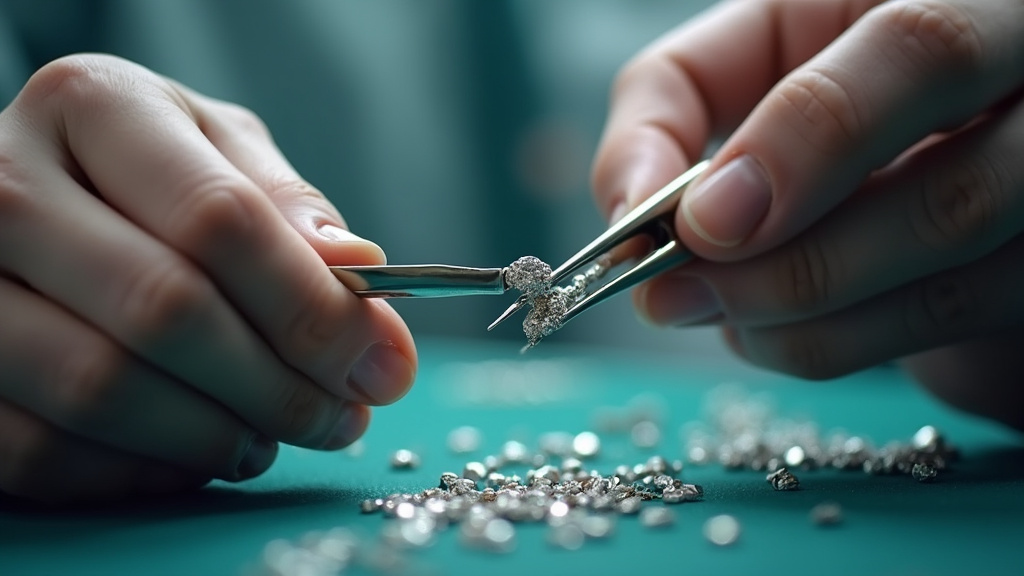
At a glanceBefore hiring any Lab Grown Diamond service, ask about their growing process, ensuring it’s ethical and eco-friendly. Verify certifications from reputable labs like GIA or IGI. Check the diamond’s clarity, color, and cut using professional grading standards. Also, inquire about return policies and warranties to protect your investment.
Key Takeaways
- Consider the source: Ask about their growing process and technology to ensure ethical and sustainable practices.
- Request certification: Verify if they have industry-recognized certifications for quality and authenticity.
- Inquire about origin: Understand where the diamonds are sourced, focusing on conflict-free regions.
- Compare pricing: Evaluate costs across providers to ensure competitive rates without compromising quality.
- Enquire about return policy: Know their terms for returns or exchanges in case of dissatisfaction.
- Question environmental impact: Explore their commitment to eco-friendly practices throughout the diamond lifecycle.
- Request additional information: Don’t hesitate to ask for details on processes, guarantees, and customer support.
In the rapidly evolving gem industry, Lab Grown Diamonds (LGDs) have emerged as a significant alternative to traditionally mined stones. As consumers and industry professionals increasingly seek sustainable and ethical practices, understanding LGDs is crucial. However, navigating the market presents challenges, with various questions surrounding quality, origin, and value. This article serves as a comprehensive guide, meticulously addressing the key queries to ask before hiring or investing in Lab Grown Diamonds, ensuring informed decisions and peace of mind.
Lab Grown Diamonds in Hoboken: Where to Start
Looking for lab grown diamonds in Hoboken, NJ? W. Kodak Jewelers serves the local area and can answer questions specific to Hoboken.
Understanding Lab Grown Diamonds: Basics and Benefits
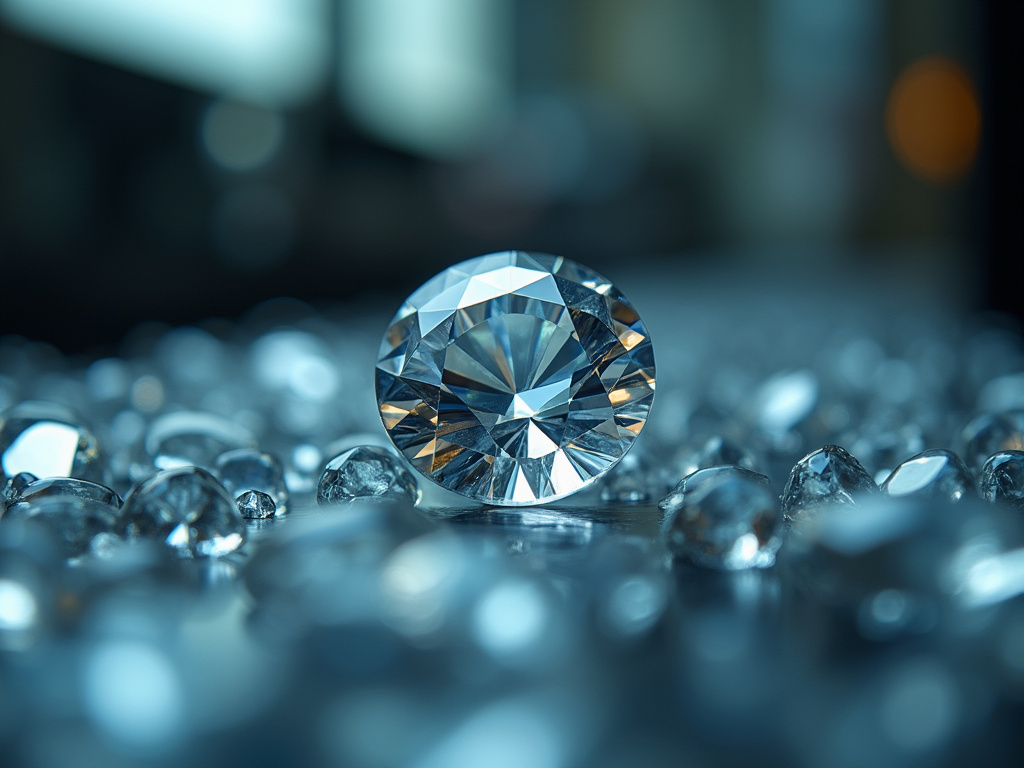
Lab Grown Diamonds, a cutting-edge alternative to traditional mined diamonds, have gained significant traction in recent years. Understanding these man-made gems is crucial before hiring a professional or making a purchase. Lab Grown Diamonds are created through advanced technological processes that mimic the natural diamond formation, offering numerous benefits such as enhanced ethical sourcing, reduced environmental impact, and consistent quality.
The process involves subjecting carbon to high pressure and temperature in a controlled environment, causing it to crystallize into a diamond. This method ensures a product that is virtually indistinguishable from its mined counterpart, yet free from the ethical and environmental concerns associated with traditional diamond mining. One key advantage is cost; Lab Grown Diamonds can be significantly less expensive than their natural counterparts, with a 1-carat stone typically costing around half as much. For instance, a recent market study revealed that the average price of a 1-carat Lab Grown Diamond is approximately $2000, compared to $4000 for a similar quality natural diamond.
However, not all Lab Grown Diamonds are created equal. To ensure you make an informed decision, consider asking your provider specific questions about their processes and product guarantees. In Hoboken, for example, the leading diamond labs employ highly skilled technicians who meticulously control every step of the process, from seed selection to final cutting and polishing. Such transparency builds trust and ensures you receive a superior quality product. Ultimately, the choice to opt for Lab Grown Diamonds comes down to personal preference, budget, and ethical considerations. By understanding these basics and benefits, you can make an informed decision that aligns with your values.
Due Diligence: Essential Questions to Ask Before Hiring
When considering Lab Grown Diamonds, performing due diligence is crucial to ensuring a smart investment. Before hiring any provider, pose these essential questions to gain profound insights into the quality, provenance, and value of their offerings. Understanding how to choose Lab Grown Diamonds involves delving into their manufacturing processes and transparency. For instance, inquire about the specific methods employed in the lab-growing process, as different techniques can yield varying results.
The cost of Lab Grown Diamonds is a significant consideration. While traditional diamonds may command premium prices due to scarcity and historical market dynamics, Lab Grown Diamonds offer a more accessible price point. Researching average pricing and comparing across providers gives you a benchmark for what constitutes a fair deal. According to recent market data, the average cost per carat can range from $150 to $400, depending on cut, clarity, and color. However, it’s essential not to solely focus on price; quality and ethical sourcing should also guide your decision.
Time is another critical factor. How long does Lab Grown Diamonds take to create? In Hoboken or any other location, the process typically spans several weeks to a few months from start to finish. This timeline includes design, synthesis, cutting, and polishing. For instance, a standard round brilliant diamond may take around 4-6 weeks, while custom designs could extend the duration. Knowing this expected turnaround time allows you to set realistic expectations and plan accordingly for any special occasions or milestones.
Moreover, ask about certifications and testing to verify the diamonds’ authenticity and quality. Reputable labs provide detailed reports, ensuring peace of mind. By asking these questions, you’ll be better equipped to navigate the market, make informed choices, and acquire Lab Grown Diamonds that align with your expectations and budget.
| Factor | What to know |
|---|---|
| Growing process | Ask about methods used, ensuring ethical and eco-friendly practices |
| Certification | Verify credentials from labs like GIA or IGI |
| Pricing comparison | Average cost per carat ranges $150 to $400 |
| 1-carat price | Lab grown ~$2000 vs $4000 for natural diamond |
| Creation time | Typically takes several weeks, e.g. 3-6 weeks |
| Return policy | Check terms for returns or exchanges if dissatisfied |
Ensuring Quality and Ethics: Key Considerations for Lab Grown Diamonds
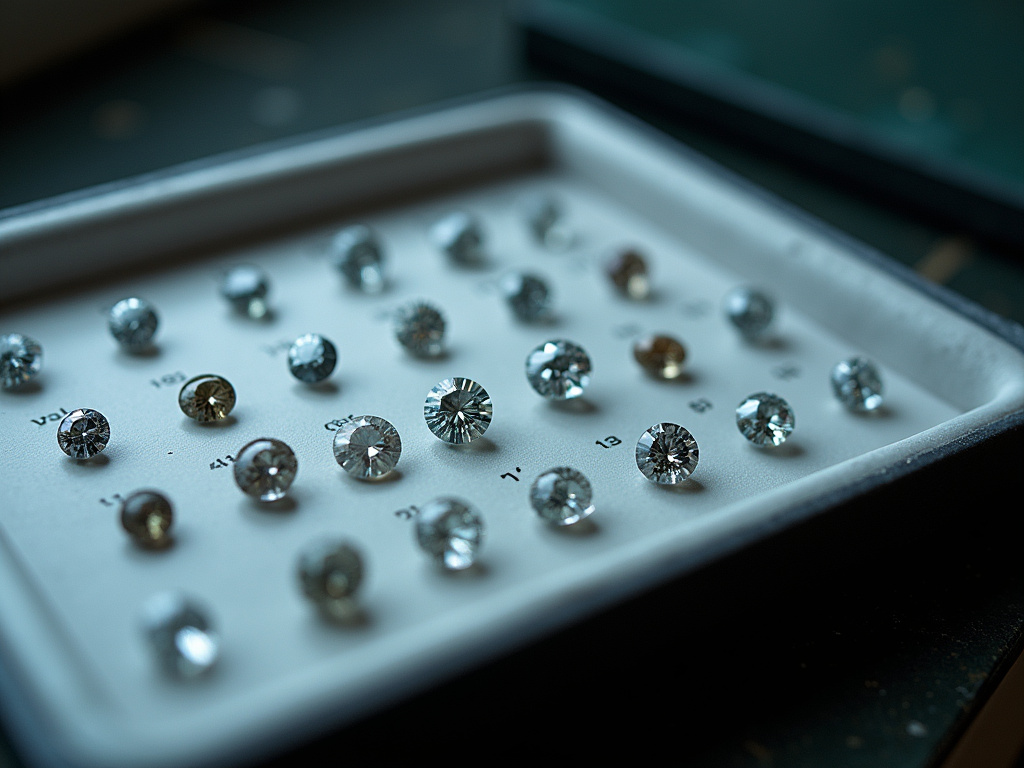
When considering purchasing lab grown diamonds, ensuring quality and ethical sourcing is paramount. These precious stones are created in a lab, which means understanding their origin and craftsmanship becomes even more crucial. Beyond asking about certifications, delve into the specifics of the process to ensure you’re investing in a superior product.
How long does it take to create a lab grown diamond? This question reveals much about the jeweler’s commitment to quality. While precise timelines vary, the process typically takes several weeks from start to finish. Top-tier jewelers in Hoboken, for instance, may advertise turnarounds of 3-4 weeks, allowing for meticulous control over each stone’s development. Slower processes could indicate less stringent standards or larger production volumes.
Reputability is key. Researching which jeweler offers the best lab grown diamonds involves exploring their transparency and ethical practices. Reputable jewelers will be able to provide detailed information about their sourcing, including the specific methods used in Hoboken, where many cutting-edge diamond labs are located. Look for certifications from trusted organizations that verify both the quality and ethical origins of the stones.
Beyond guarantees and certifications, consider asking about the specific cuts and designs available. Top jewelers often offer a wide range of options catering to diverse aesthetic preferences. They should be able to guide you through the nuances of different cuts, helping you choose a diamond that not only meets but exceeds your expectations. Ultimately, investing in a lab grown diamond is a significant decision. Prioritizing quality and ethical sourcing ensures you obtain a beautiful, durable stone with a story that resonates.
Frequently Asked Questions About questions to ask Lab Grown Diamonds before hiring
What are lab-grown diamonds, and how do they differ from naturally mined diamonds?
Lab-grown diamonds are created in a controlled laboratory environment using advanced technological processes that mimic the natural conditions under which diamonds form deep within the Earth. They possess the same physical and chemical properties as their mined counterparts—carbon structure, hardness, brilliance, and fire. The primary difference lies in their origin; while natural diamonds take millions of years to form, lab-grown diamonds are produced in a matter of weeks, making them more sustainable and ethically sourced alternatives.
Are lab-grown diamonds less valuable than naturally mined ones?
No, lab-grown diamonds hold equal value on the market due to their identical composition and quality. The price difference often reflects production costs and distribution channels rather than any inherent value discrepancy. In fact, many prefer lab-grown diamonds for their ethical sourcing, environmental benefits, and ability to offer similar aesthetic appeal without the ethical concerns associated with traditional mining practices.
How can I ensure the authenticity of a lab-grown diamond I purchase?
The diamond industry has stringent standards for verifying the origin and quality of stones. Look for certifications from reputable laboratories like the Gemological Institute of America (GIA) or International Gemological Institute (IGI). These organizations examine diamonds under rigorous conditions, confirming their lab-grown nature and providing a detailed report. Additionally, purchasing from well-established suppliers who guarantee authenticity is essential to ensuring peace of mind.
Are lab-grown diamonds more environmentally friendly than traditional diamonds?
Yes, significantly so. The mining of natural diamonds contributes to significant environmental degradation, including habitat destruction, water pollution, and carbon emissions. In contrast, lab-grown diamonds offer a sustainable alternative as they don’t require extracting raw materials from the Earth’s crust. The production process is more energy-efficient, generates fewer waste products, and avoids many of the harmful environmental impacts associated with traditional diamond mining.
Can I have a lab-grown diamond appraised like a natural one?
Absolutely. Professional gemologists and diamond experts can provide accurate appraisals for lab-grown diamonds using specialized equipment and knowledge. The appraisal will consider factors such as cut, clarity, color, carat weight, and the overall quality of the stone, just as they would with a natural diamond. This ensures that you receive a fair assessment of your investment’s value.
When considering Lab Grown Diamonds, this article has equipped readers with a comprehensive toolkit for informed decision-making. By understanding the fundamentals of Lab Grown Diamonds, performing rigorous due diligence through essential questioning, and prioritizing ethical and quality standards, individuals can confidently navigate this evolving market. The key insights underscore the importance of transparency, expertise, and a commitment to sustainability in the selection process. Moving forward, prospective buyers are empowered to make choices that not only align with their aesthetic preferences but also contribute to responsible practices within the industry.
W. Kodak Jewelers
60 Newark St., Hoboken, NJ 07030
(201) 710-5490
View W. Kodak Jewelers on Google Maps
How to get to W. Kodak Jewelers from Hoboken High School
Coming from Hoboken High School? W. Kodak Jewelers is close by. Head out on Clinton St and you'll find us on Newark St. at 60 Newark St., Hoboken, NJ 07030. Use the map below for turn-by-turn directions.