Key Takeaways
- Lab-grown diamonds offer a sustainable alternative to traditional mining, reducing environmental impact and ethical concerns.
- The process involves advanced technology to mimic nature, resulting in identical physical and chemical properties to natural diamonds.
- With growing popularity, lab-grown diamond market is projected to reach significant value by 2025.
- This technology empowers consumers to make informed choices, prioritizing ethics and sustainability without compromising quality.
- Lab-grown diamonds present a promising future for the industry, potentially disrupting traditional diamond supply chains.
- Increasing accessibility and affordability make lab-grown diamonds a viable option for diverse consumers.
- They contribute to a circular economy by utilizing existing carbon, promoting responsible resource management.
At a glanceLab-grown diamonds are created in a lab using advanced technology to mimic the natural process of diamond formation. They have the same chemical and physical properties as earth-mined diamonds but are produced more sustainably and ethically, offering an eco-friendly alternative without compromising quality or beauty.
The global gem industry is witnessing a significant shift with the rise of lab-grown diamonds. This innovative process offers an alternative to traditional mining, promising environmental sustainability and ethical sourcing. However, the increasing popularity raises concerns about consumer perception, pricing strategies, and the potential impact on natural diamond mines. To navigate this complex landscape, understanding the science, quality standards, and market dynamics behind lab-grown diamonds is crucial. This article delves into the intricacies of these man-made gems, providing insights that empower both industry professionals and discerning consumers.
Lab Grown Diamonds (learn more) in Hoboken: Where to Start
Looking for lab grown diamonds in Hoboken, NJ? the team at W. Kodak Jewelers serves the local area and can answer questions specific to Hoboken.
Understanding the Process: How Lab Grown Diamonds Are Created

Lab Grown Diamonds, often referred to as synthetic or cultivated gems, have gained significant traction in the market, challenging traditional mined diamonds. The process behind their creation involves advanced technology and a deep understanding of diamond formation. Unlike mined diamonds, which take billions of years to form beneath the Earth’s surface, lab-grown diamonds replicate this natural process in a controlled environment. This method has sparked curiosity among consumers, particularly those in cities like Hoboken, who seek ethical and sustainable alternatives.
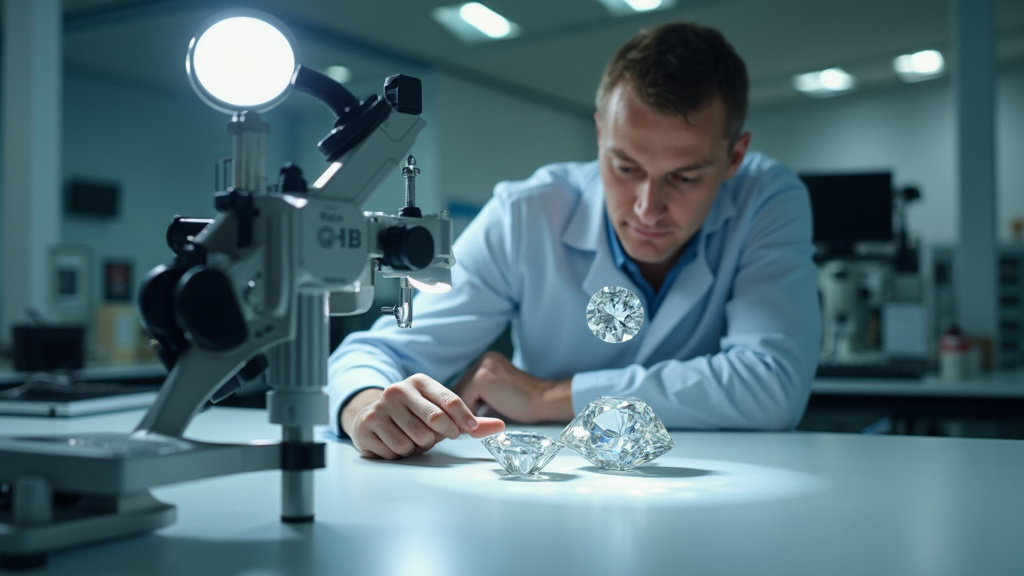
The journey begins with placing a small seed of diamond material into a specialized container, where precise temperature and pressure conditions are maintained. Over several weeks, these conditions stimulate the growth of a synthetic diamond crystal. This process mimics nature’s role in mining, but with far greater control and speed. What sets lab-grown diamonds apart is their identical chemical composition and physical properties to their mined counterparts. For instance, a study by the Gemological Institute of America (GIA) found that lab-grown diamonds and natural diamonds are indistinguishable when analyzed under 10X magnification.
Considering the environmental impact, lab-grown diamonds offer a compelling case for those seeking eco-friendly options. Mining activities often result in significant land degradation and vast resource depletion, whereas lab-grown diamonds produce minimal waste and require far less energy. As consumers become more conscious of sustainability, this aspect has contributed to the growing popularity of these man-made gems. For those questioning their worth, it’s essential to note that lab-grown diamonds can be a valuable investment, offering comparable quality at potentially lower costs compared to traditional diamonds.
Market Dynamics and Industry Trends: The Rise of Lab Grown Diamonds
The rise of lab-grown diamonds has significantly shifted the gem industry dynamics over the past decade. This innovative process, which replicates the natural diamond formation under controlled laboratory conditions, has sparked curiosity and demand among consumers seeking alternative options to traditionally mined diamonds. The market for lab-grown diamonds is experiencing rapid growth, projected to reach a substantial value by 2030, challenging the dominance of the historic diamond mining industry. This trend is particularly evident in urban centers like Hoboken, where luxury retailers cater to discerning customers who are increasingly conscious of sustainability and ethical practices.
In Hoboken, the question "How long does lab-grown diamonds take?" is frequently asked by prospective buyers navigating this relatively new market. The process of creating lab-grown diamonds involves advanced technology that mimics the geological processes responsible for forming natural diamonds. This method significantly reduces the time frame compared to traditional mining, which can span millions of years. Most reputable labs can produce a high-quality diamond in a matter of weeks, addressing one of the primary concerns among consumers considering lab-grown options. Moreover, when comparing lab-grown diamonds to their mined counterparts, the former often offers a more transparent and ethical supply chain, answering another key question: "Is lab-grown diamonds worth it?" The growing awareness of environmental and social issues associated with traditional diamond mining has pushed many consumers towards lab-grown alternatives as a more responsible choice.
The industry’s trend toward sustainability and ethical sourcing is not just a passing fad; it reflects a profound change in consumer preferences. As the market matures, buyers are increasingly making informed decisions based on comprehensive knowledge about the product. For example, understanding the origin, certification, and environmental impact of diamonds has become paramount for many consumers. This shift presents an opportunity for Hoboken’s diamond retailers to educate their clients about lab-grown diamonds, dispelling any misconceptions and emphasizing the unique value proposition these stones offer. By embracing this trend, local businesses can not only meet the demands of environmentally conscious customers but also position themselves as industry leaders in a rapidly evolving market.
| Factor | What to know |
|---|---|
| Creation Process | Seed crystal grown under controlled temperature and pressure over several weeks |
| Identical Properties | Same chemical and physical properties as mined diamonds, indistinguishable under 10X magnification |
| Environmental Impact | Produces minimal waste and requires far less energy than mining |
| Market Growth | Projected to reach substantial value by 2030 |
| Ethical Sourcing | Offers more transparent, ethical supply chain than traditional mining |
| Cost Advantage | Comparable quality often available at lower costs than mined diamonds |
Environmental and Ethical Considerations: The Future of Lab Grown Diamonds
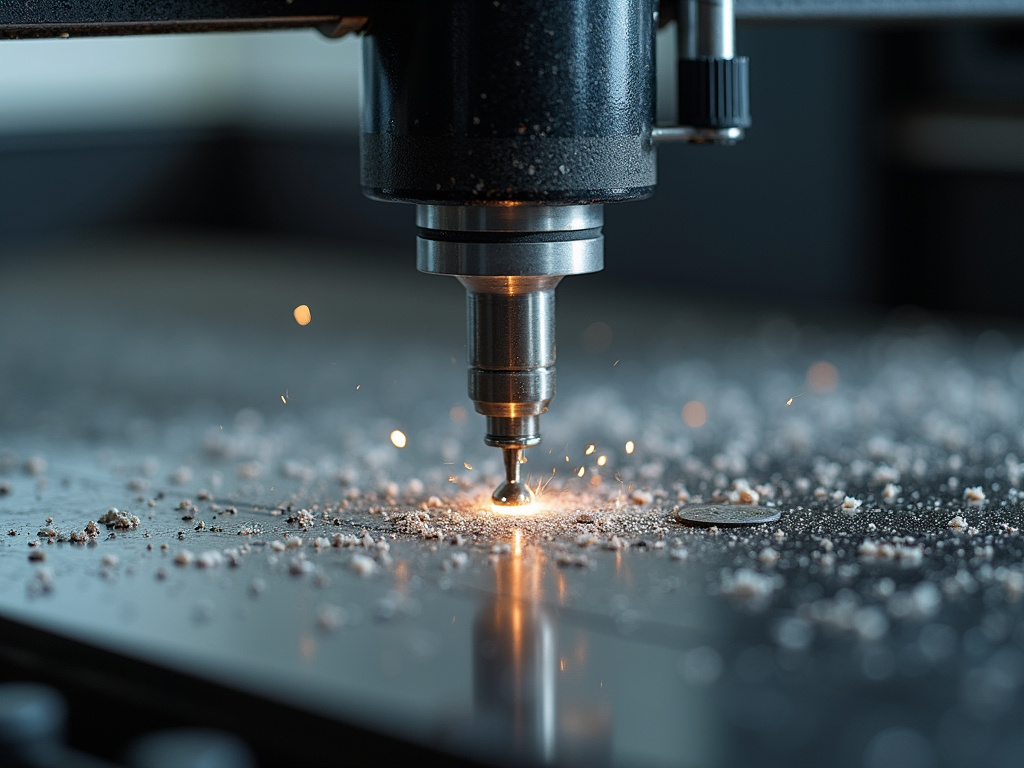
The environmental and ethical considerations surrounding lab-grown diamonds represent a critical aspect of their growing prominence in the jewelry industry. As consumers become increasingly conscious of sustainability and ethical sourcing, understanding where these stones come from becomes paramount. Lab-grown diamonds, produced in a controlled environment using advanced technology, offer a compelling alternative to traditionally mined gems. They require fewer environmental resources, produce less waste, and eliminate the social and economic impacts associated with mining.
In terms of qualification and cost, lab-grown diamonds meet stringent standards set by regulatory bodies to ensure their authenticity and quality. While the initial costs for these stones may be higher than their mined counterparts, the long-term benefits are significant. For instance, a study by the Gemological Institute of America (GIA) found that lab-grown diamonds have the same physical, chemical, and optical properties as naturally occurring diamonds, making them indistinguishable to the naked eye. Moreover, Tiffany & Co., a renowned jewelry brand, has embraced lab-grown diamonds, demonstrating a growing trend among luxury retailers.
However, challenges remain. The primary concerns revolve around consumer perception and acceptance. Historically, mined diamonds have carried cachet and exclusivity, which can be difficult for lab-grown options to overcome. Nevertheless, as education improves and more brands like Tiffany embrace this technology, public awareness is shifting. Cost is another factor; while lab-grown diamonds offer long-term savings on maintenance and repair due to their durability, the upfront investment might deter some consumers. Yet, with advancements in production methods, prices are gradually becoming more competitive.
Frequently Asked Questions About Lab Grown Diamonds
What are lab-grown diamonds?
Lab-grown diamonds, also known as cultivated or synthetic diamonds, are created in a controlled laboratory environment using advanced technological processes. These diamonds are identical in chemical composition, physical properties, and optical characteristics to naturally occurring diamonds. The lab-growing process mimics the natural diamond formation process, but under precise conditions, resulting in high-quality, conflict-free gems.
How are lab-grown diamonds made?
The process begins with placing a small seed of diamond material into a high-pressure, high-temperature (HPHT) machine or a chemical vapor deposition (CVD) reactor. In HPHT, a high-pressure diamond seed is heated to extreme temperatures, causing it to grow into a larger diamond. CVD involves depositing diamond layers onto a substrate, building up the diamond crystal over time. Both methods ensure the diamond’s structure and purity are maintained throughout the growth process.
Are lab-grown diamonds real or fake?
Lab-grown diamonds are not fake; they are as real and genuine as naturally occurring diamonds. They possess the same atomic structure and properties, including hardness, brilliance, and optical clarity. The primary difference lies in their origin; while natural diamonds form deep within the Earth over billions of years, lab-grown diamonds are created in a matter of weeks or months. Gemological testing can confirm a diamond’s lab-grown origin.
Do lab-grown diamonds have any environmental or ethical benefits?
One of the most significant advantages of lab-grown diamonds is their environmental sustainability. Mining natural diamonds contributes to land degradation, water pollution, and human rights issues in some regions. Lab-grown diamonds eliminate these concerns, as they don’t require mining and have a much lower environmental impact. Additionally, they offer a conflict-free alternative, ensuring no funding goes towards unethical or violent activities.
Are lab-grown diamonds cheaper than natural diamonds?
The pricing of lab-grown diamonds can vary, but they generally offer a more affordable option compared to their natural counterparts. The cost difference depends on various factors, including size, quality, and market demand. On average, lab-grown diamonds can be 30-60% cheaper than mined diamonds, making them an attractive choice for budget-conscious consumers.
Can lab-grown diamonds be distinguished from natural diamonds?
While advanced techniques can detect lab-grown diamonds, the difference is often subtle and requires specialized equipment. Most consumers and jewelers rely on gemological testing to confirm a diamond’s origin. The visual appearance and properties of lab-grown and natural diamonds are nearly identical, making them challenging to differentiate without professional examination.
Lab Grown Diamonds have emerged as a significant force within the diamond industry, transforming both market dynamics and consumer perceptions. Understanding their creation process—a meticulous blend of science and technology—has clarified their authenticity and quality. The environmental and ethical benefits associated with Lab Grown Diamonds offer a compelling alternative to traditional mining, addressing key concerns about sustainability and human rights. As the market continues to grow, consumers are increasingly choosing this eco-friendly option, driving innovation and pushing the industry towards a more responsible future. Embracing Lab Grown Diamonds not only satisfies individual preferences but also contributes to a global movement toward sustainable practices.
W. Kodak Jewelers
60 Newark St., Hoboken, NJ 07030
(201) 710-5490
View W. Kodak Jewelers on Google Maps
How to get to W. Kodak Jewelers from Maxwell Place Park
Coming from Maxwell Place Park? W. Kodak Jewelers is close by. Head out on 11TH Sinatra Dr N and you'll find us on Newark St. at 60 Newark St., Hoboken, NJ 07030. Use the map below for turn-by-turn directions.