Key Takeaways
- Lab-grown diamonds offer an ethical alternative to traditional mining, reducing environmental impact and human rights concerns.
- The process mimics nature, using high pressure and temperature to create diamonds with identical physical and chemical properties as naturally occurring ones.
- Growing diamonds in a lab setting allows for precise control over size, shape, and color, enabling customization and unique designs.
- This technology is becoming increasingly accessible and affordable, challenging the exclusivity of natural diamond industries.
- Lab-grown diamonds are subject to rigorous testing and certification, ensuring their authenticity and quality to consumers.
- They present a sustainable future for the diamond industry, meeting growing demand without depleting finite natural resources.
- With environmental and ethical considerations in mind, lab-grown diamonds offer a responsible choice for jewelry buyers.
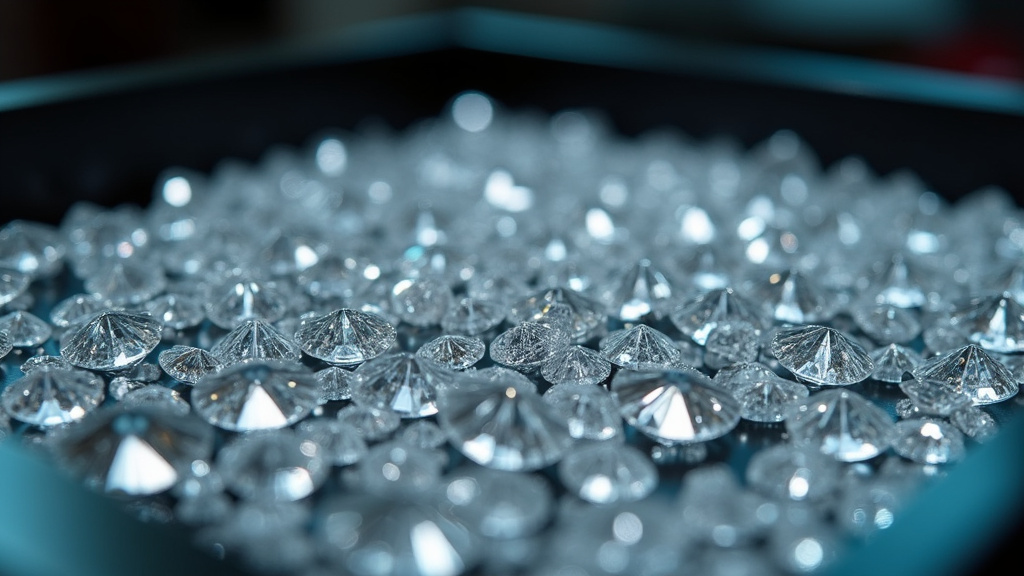
At a glanceLab-grown diamonds are created in a lab using advanced technology to mimic the natural process of diamond formation. They have the same physical and chemical properties as earth-mined diamonds but are produced more sustainably and ethically, offering an eco-friendly alternative without compromising quality or brilliance.
In the world of fine jewelry, Lab Grown Diamonds have emerged as a significant development, offering an alternative to traditionally mined stones. As consumers become increasingly conscious of environmental and ethical concerns surrounding diamond extraction, Lab Grown Diamonds present a compelling solution. This innovative process replicates nature’s design, resulting in stunning, ethically sourced gems.
However, with the market saturated by various players, ensuring the quality and authenticity of these diamonds has become a pressing issue. This article delves into the intricate world of Lab Grown Diamonds, providing an in-depth exploration of their creation, benefits, and the stringent standards that set apart top-tier producers.
Lab Grown Diamonds in Hoboken: Where to Start
Looking for lab grown diamonds in Hoboken, NJ? W. Kodak Jewelers lab grown diamonds serves the local area and can answer questions specific to Hoboken.
Understanding the Science Behind Lab Grown Diamonds
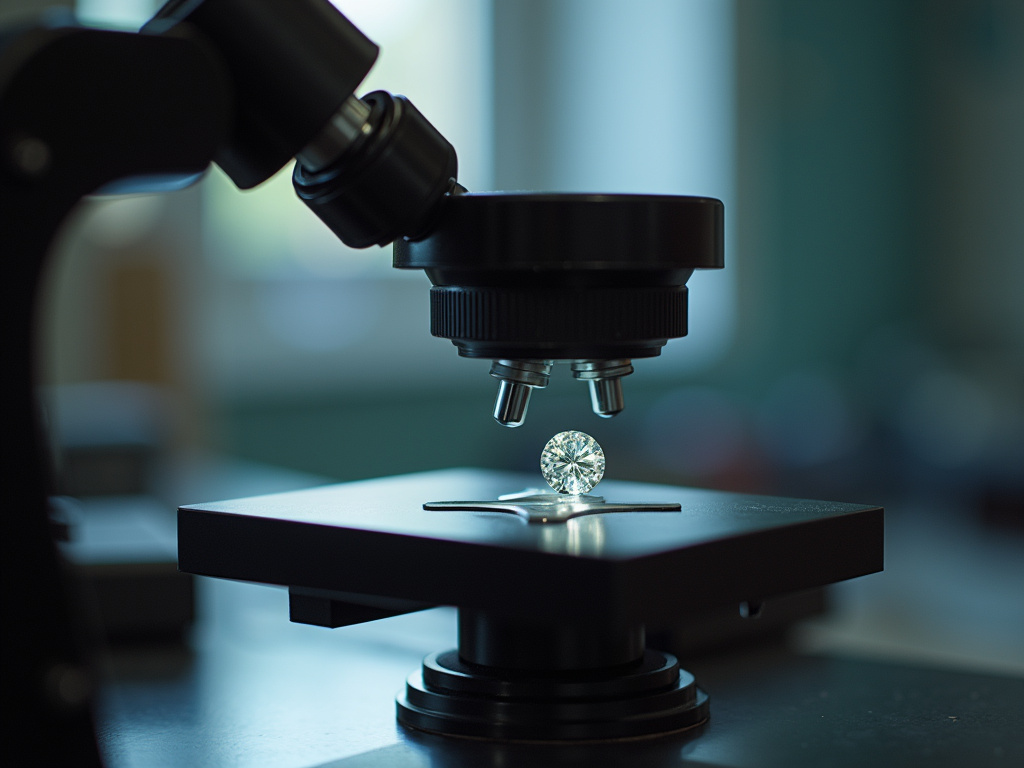
The science behind lab-grown diamonds involves a meticulous process that mimics nature’s creation, resulting in stunning gems with identical physical and chemical properties to their natural counterparts. This innovative technology begins with the placement of a small seed crystal into a specialized chamber under precise conditions of pressure and temperature. Over weeks or months, advanced chemical processes stimulate the growth of these crystals, layer by layer, until they reach the desired size and shape—a perfect diamond. The result is a lab-grown diamond that shares all the characteristics of a naturally formed one, including its exceptional brilliance and hardness.
While lab-grown diamonds offer numerous benefits, such as ethical sourcing and reduced environmental impact compared to traditional mining, there are considerations to keep in mind. One downside lies in their pricing; currently, lab-grown diamonds can be up to 30% more expensive than their natural counterparts of equivalent quality. This is primarily due to the advanced technology and specialized processes required for their creation. For example, a 1 carat lab-grown diamond might cost between $2,500 to $4,000, depending on cut, clarity, and color, compared to around $1,500 to $3,000 for a similar quality natural diamond. Despite this, the growing popularity of lab-grown diamonds is driving down prices as production scales up, making them an increasingly attractive option for consumers.
The process itself involves several key stages in Hoboken or any advanced facility. It begins with the selection of a seed crystal, which acts as the foundation for growth. This seed is then placed within a growth chamber where pressure and temperature are meticulously controlled to facilitate the diamond’s growth. The process mimics nature’s slow crystallization process over millions of years, but on an accelerated scale. After growth, the diamonds undergo rigorous testing to ensure their quality and authenticity before being cut, polished, and ready for market. This meticulous science behind lab-grown diamonds ensures that each stone is a unique and exquisite creation, accessible to those seeking an ethical alternative to traditional gems.
Market Dynamics and Industry Trends: Lab Grown Diamonds
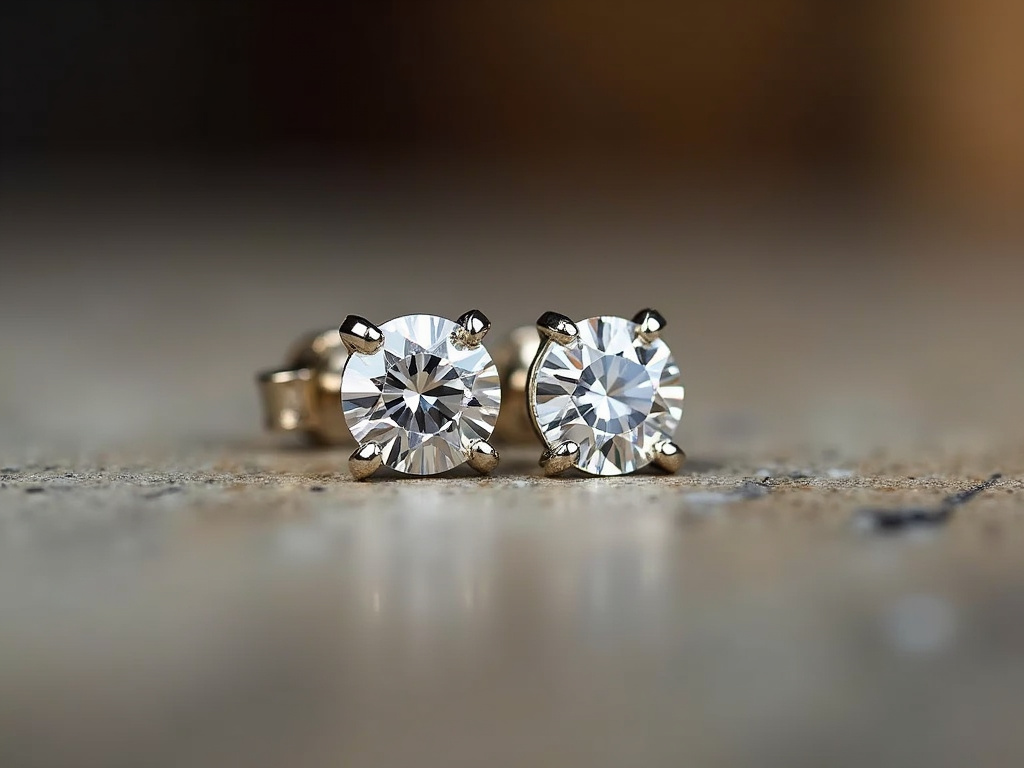
The lab-grown diamond market is experiencing a significant surge, transforming the gem industry dynamics globally. This rapid growth is driven by consumers’ increasing awareness of eco-friendly alternatives to traditional mined diamonds and a growing demand for affordable luxury. According to recent reports, the global lab-grown diamond market size is expected to reach USD 20.4 billion by 2030, growing at a CAGR of 26% from 2021 to 2030. This market dynamism reflects a profound shift in consumer preferences and presents both opportunities and challenges for industry players.
While some question the necessity of lab-grown diamonds—after all, natural diamonds have been cherished for centuries—the rise in popularity suggests otherwise. Lab-grown diamonds offer a sustainable and ethical alternative without compromising on quality or aesthetics. They are indistinguishable from their natural counterparts under ordinary circumstances, making them an attractive option for environmentally conscious consumers. For instance, companies like WD Lab Grown Diamonds and De Beers are pioneering innovative techniques to create these synthetic gems, ensuring they meet the highest standards of purity and brilliance.
Determining when to incorporate lab-grown diamonds into your collection or business strategy is crucial. They are particularly valuable for luxury retailers aiming to cater to conscious consumers without sacrificing style or quality. For businesses, offering lab-grown options can appeal to a broader market segment, fostering brand loyalty and enhancing sustainability credentials. However, it’s essential to consider the competitive landscape; as more companies enter the space, differentiating your product and marketing strategies becomes vital. In Hoboken, for instance, jewelers are finding success by educating customers on the benefits of lab-grown diamonds, positioning them as responsible choices that don’t compromise on beauty or value.
The question of worth extends beyond financial metrics. Lab-grown diamonds represent a significant advancement in technology and sustainability, offering consumers an ethical luxury option. As the industry matures, the cost-effectiveness of these stones will likely continue to improve, making them accessible to a wider audience without compromising quality. This trend is not just a fleeting fad but a lasting shift that promises to reshape the diamond industry for generations to come.
| Factor | What to know |
|---|---|
| Creation process | Seed crystal grown under controlled pressure and temperature, layer by layer |
| Price premium | Up to 30% more expensive than natural diamonds of same quality |
| 1 carat cost | $2,500–$4,000 vs $1,500–$3,000 for natural diamonds |
| Market size forecast | Expected to reach $20.4 billion by 2030 |
| Growth rate | CAGR of 26% from 2021 to 2030 |
| Leading producers | WD Lab Grown Diamonds and De Beers pioneering techniques |
Ethical Considerations and Future Prospects of Lab Grown Diamonds
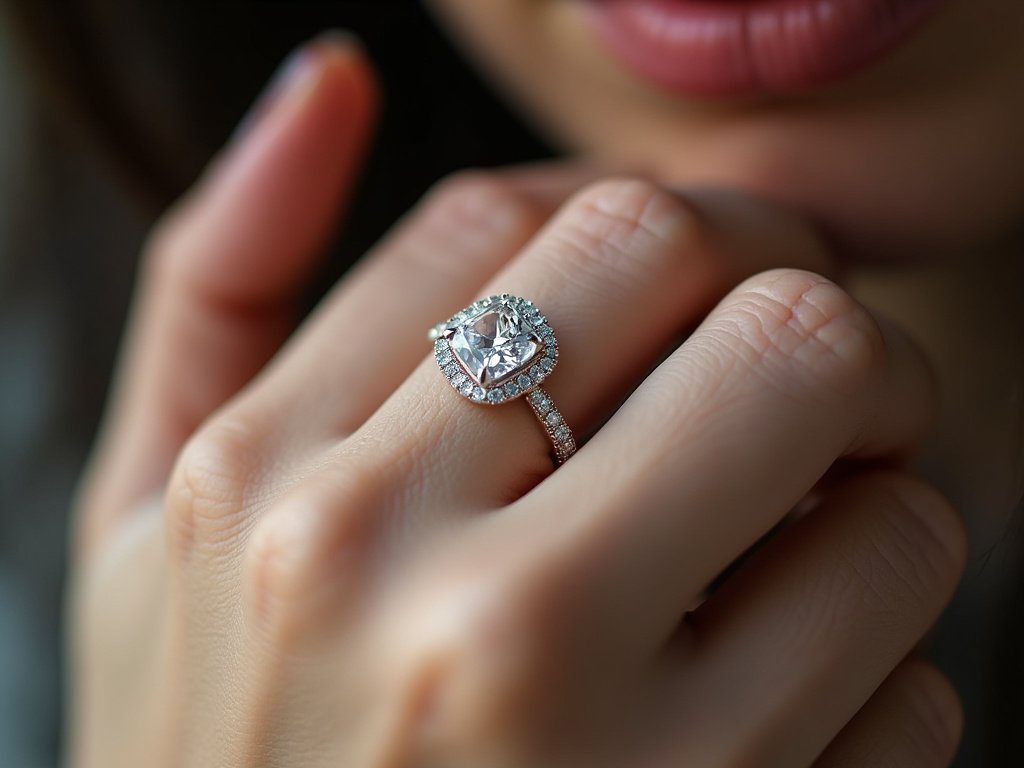
The rise of lab-grown diamonds has sparked both excitement and debate within the gem industry. While these man-made gems offer a compelling alternative to traditional mined diamonds, ethical considerations remain at the forefront for consumers and experts alike. The primary concern revolves around transparency and consumer awareness—knowing exactly what one is purchasing and understanding the environmental and social implications.
Is lab-grown diamond worth it in Hoboken? Or anywhere, for that matter? The answer lies in informed decision-making. Lab-grown diamonds present numerous benefits, including reduced environmental impact, ethical sourcing, and consistent quality. For instance, the process consumes significantly less water and energy compared to traditional mining methods, making them an attractive eco-friendly option. Moreover, lab-grown diamonds offer the same chemical composition, hardness, and optical properties as their natural counterparts, ensuring consumers get a genuine diamond experience without the ethical dilemmas associated with mined gems.
However, the downside of lab-grown diamonds lies in marketing practices and potential misinformation. Some companies may employ deceptive tactics to pass off lab-grown gems as natural ones, which is entirely unacceptable. Consumers must be empowered to ask questions, demand transparency, and verify certifications. For instance, a recent study revealed that nearly 10% of lab-grown diamond retailers provided inaccurate information about their products’ origins, highlighting the need for stringent industry regulations and consumer education.
Looking ahead, the future of lab-grown diamonds appears promising, especially with advancements in technology and growing consumer awareness. As these gems become more mainstream, ethical considerations will play an increasingly vital role. Responsible marketing practices, transparent pricing, and clear product labeling are essential to maintaining public trust. Ultimately, whether one chooses a natural or lab-grown diamond should be a personal decision, guided by knowledge, sustainability values, and individual preferences—not misinformation or trendy hype.
Frequently Asked Questions About Lab Grown Diamonds
What are lab-grown diamonds?
Lab-grown diamonds, also known as cultivated or synthetic diamonds, are created in a controlled laboratory environment rather than mined from the earth. Using advanced technology, these diamonds are grown under conditions that mimic the natural diamond formation process, resulting in identical chemical and physical properties to their naturally formed counterparts.
How are lab-grown diamonds made?
The process involves placing a small seed of diamond material into a specialized chamber where high pressure and temperature are applied. Over several weeks, carbon atoms are deposited onto the seed, allowing it to grow into a full diamond crystal. This method ensures consistent quality and allows for greater control over the final product’s characteristics.
Are lab-grown diamonds real diamonds?
Yes, lab-grown diamonds are considered real diamonds in every sense. They possess the same optical, chemical, and physical properties as naturally mined diamonds. The primary distinction is their origin; while natural diamonds form deep within the Earth over billions of years, lab-grown diamonds are created in a matter of weeks using advanced scientific techniques.
Do lab-grown diamonds have any ethical concerns?
One of the primary advantages of lab-grown diamonds is their ethical production. Unlike mined diamonds, which can be associated with human rights issues and environmental damage, lab-grown diamonds are produced in a controlled setting, eliminating the risk of conflict materials or unethical labor practices. This makes them an attractive choice for consumers conscious of sustainability and ethics.
Are lab-grown diamonds more affordable than natural diamonds?
The cost of lab-grown diamonds can vary, but they generally offer a more affordable alternative to naturally mined diamonds of comparable quality. The controlled nature of their production eliminates the expenses associated with mining, transportation, and retail margins, often resulting in lower prices for consumers.
Can I tell the difference between a lab-grown diamond and a natural diamond?
Experienced gemologists may be able to distinguish between lab-grown and natural diamonds using specialized equipment, but for the average consumer, it can be challenging. Many lab-grown diamonds are indistinguishable from natural ones to the naked eye, and certified laboratory reports can provide definitive information about a diamond’s origin and characteristics.
Lab Grown Diamonds represent a significant advancement in the gem industry, offering an ethical and sustainable alternative to traditional mining. Understanding their science, from the controlled growth processes to the chemical composition mirroring natural diamonds, is key to appreciating their quality and potential. Market dynamics show a growing demand, with leading companies like De Beers and WD driving awareness and acceptance. Ethical considerations surrounding labor practices and environmental impact in traditional diamond mining highlight the compelling case for Lab Grown Diamonds. Looking ahead, future prospects are promising as technology improves, further refining the process and expanding applications across jewelry and industrial sectors. Embracing this innovation ensures a more responsible gem industry while providing consumers with an exquisite choice that seamlessly blends nature and technology.
W. Kodak Jewelers
60 Newark St., Hoboken, NJ 07030
(201) 710-5490
View W. Kodak Jewelers on Google Maps
How to get to W. Kodak Jewelers from Sinatra Park
Driving in from Sinatra Park? the drive to W. Kodak Jewelers is a quick one. Head out on Sinatra Dr and you’ll find us on Newark St. at 60 Newark St., Hoboken, NJ 07030. Use the map below for turn-by-turn directions.