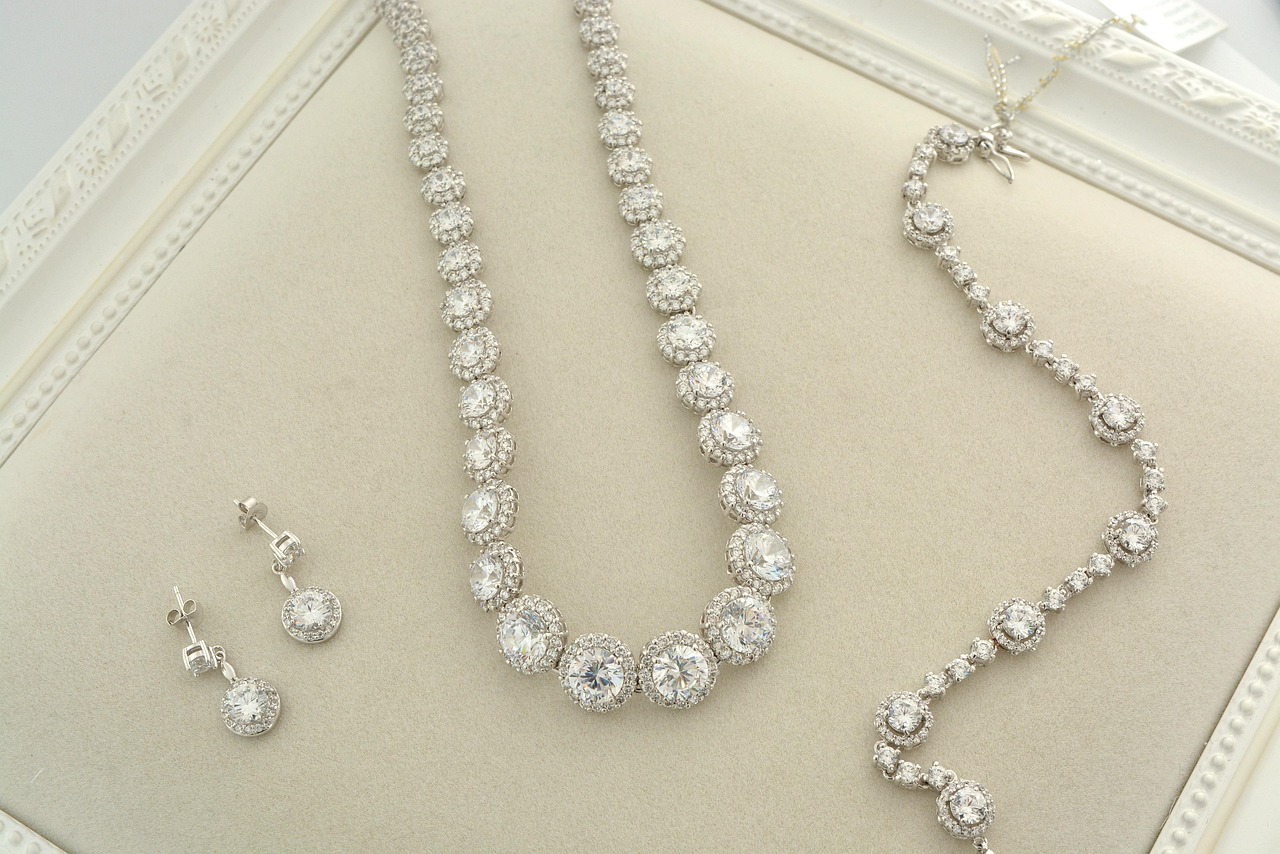
Lab-grown diamonds are created in a lab using advanced technology to mimic the natural diamond formation process. They have the same physical and chemical properties as earth-mined diamonds but are produced more sustainably and ethically. This method reduces environmental impact and offers an affordable alternative for jewelry.
Key Takeaways
- Lab-grown diamonds offer a sustainable alternative to traditional mining, reducing environmental impact and ethical concerns.
- These diamonds have the same physical and chemical properties as naturally mined diamonds, making them indistinguishable to the naked eye.
- The process of creating lab-grown diamonds is significantly more efficient, allowing for faster production and potentially lower costs.
- The market for lab-grown diamonds is growing rapidly, driven by consumer demand for conflict-free and eco-friendly gems.
- Leading diamond producers are investing heavily in lab-grown technology, signaling its future dominance in the industry.
- Ethical sourcing and transparency are key differentiators for brands selling lab-grown diamonds, building consumer trust.
In recent years, the global jewelry industry has witnessed a significant shift towards Lab Grown Diamonds. This innovative process, which replicates the natural diamond-forming process in a controlled environment, has sparked both intrigue and debate. While Lab Grown Diamonds offer compelling benefits such as ethical sourcing, enhanced sustainability, and consistent quality, they also face challenges in terms of consumer perception and price point. This article delves into the intricacies of Lab Grown Diamonds, exploring their scientific basis, the evolving market landscape, and the strategies employed by industry leaders like De Beers and Pandora to navigate this transformative period.
- Understanding the Process: How Lab Grown Diamonds Are Created
- Market Dynamics: The Rise and Impact of Lab Grown Diamonds
- Quality and Sustainability: Unlocking the Benefits of Lab Grown Diamonds
Lab Grown Diamonds in Hoboken: Where to Start
Looking for lab grown diamonds in Hoboken, NJ? W. Kodak Jewelers Hoboken, NJ serves the local area and can answer questions specific to Hoboken.
Understanding the Process: How Lab Grown Diamonds Are Created

The process behind lab-grown diamonds offers a fascinating glimpse into the future of the gem industry, challenging traditional mining methods. Unlike their naturally occurring counterparts, these man-made gems are cultivated in controlled environments, enabling precise manipulation of atomic and molecular interactions. The journey begins with a seed, often a tiny fragment of a real diamond, which is placed within a specialized container filled with a host material, typically carbon. Through advanced technological processes, such as high-pressure high-temperature (HPHT) or chemical vapor deposition (CVD), these seeds are then exposed to extreme conditions mimicking the natural diamond formation process.
Over several weeks or months, depending on the desired size and quality, the seed gradually grows into a full-fledged diamond crystal. This innovative method allows for a higher level of control over characteristics like clarity, color, and cut, often resulting in superior gems compared to some naturally mined varieties. As such, it’s no surprise that many discerning jewelers are turning to lab-grown diamonds, with brands like WD Lab Grown Diamonds and De Beers leading the way in this new era of gem production. When considering incorporating lab-grown diamonds into your collections, understanding this meticulous process is crucial for making informed decisions. For instance, knowing that these diamonds can be grown to specific specifications within a controlled timeframe can influence design choices and pricing strategies.
Furthermore, the Hoboken-based labs at the forefront of this technology continuously refine their methods, ensuring ever-improving quality and environmental sustainability. While some may question the ethical implications, these advancements demonstrate the potential for responsible gem production, addressing concerns about conflict minerals and the environmental impact of traditional mining. As the lab-grown diamond market continues to expand, consumers and jewelers alike can expect greater transparency, better pricing, and access to this remarkable innovation right here in our own backyard.
Market Dynamics: The Rise and Impact of Lab Grown Diamonds
The dynamic landscape of the diamond industry has witnessed a significant shift with the advent of lab-grown diamonds, challenging the traditional dominance of mined diamonds. This revolutionary development has sparked curiosity and demand, prompting consumers to question: Are Tiffany diamonds mined or lab-grown? The market response to lab-grown diamonds has been nothing short of remarkable. According to recent reports, the global lab-grown diamond market is projected to reach a substantial value by 2032, indicating a rapid growth trajectory. This surge in popularity is not merely a trend but a paradigm shift in consumer preferences.
Lab-grown diamonds offer a compelling alternative to traditionally mined diamonds, attracting a diverse range of consumers. The process behind these synthetic gems involves advanced technological techniques, carefully mimicking the natural diamond formation process. In Hoboken, for instance, the procedure entails a meticulous series of steps, beginning with the placement of a seed crystal into a pressurized and heated chamber. Over time, this crystal grows into a diamond of remarkable purity and quality. This innovative approach not only ensures a consistent supply but also reduces the environmental impact associated with traditional diamond mining.
As consumers become more discerning, the market is evolving to cater to specific preferences. When choosing lab-grown diamonds, several factors come into play. Firstly, consumers seek certifications to ensure the diamond’s authenticity and origin. Reputable labs provide detailed reports, offering peace of mind. Moreover, understanding the 4Cs—cut, clarity, color, and carat—is essential, as these factors determine a diamond’s beauty and value. Today, many jewelry brands, including renowned names, offer lab-grown diamond collections, providing consumers with an extensive array of options to suit diverse tastes and budgets.
Quality and Sustainability: Unlocking the Benefits of Lab Grown Diamonds

Lab Grown Diamonds offer a unique blend of quality and sustainability, revolutionizing the gem industry. The process of creating these diamonds in a lab setting takes a fraction of the time compared to nature’s pace. While natural diamonds can take billions of years to form, lab-grown diamonds can be produced in a matter of weeks, ensuring a much faster turnaround. This rapid development doesn’t compromise quality; in fact, it often surpasses expectations.
The benefits of lab-grown diamonds are multifaceted. They provide an ethical alternative to traditional mining, eliminating the environmental impact and human rights concerns often associated with the diamond industry. Moreover, lab-grown diamonds are subject to strict quality control, ensuring consistent purity and clarity. For consumers, this means exceptional value and the confidence that their purchase aligns with their ethical standards. For instance, a study by the Gemological Institute of America (GIA) found that lab-grown diamonds exhibit the same optical and physical properties as their natural counterparts, making them indistinguishable to the naked eye.
When considering lab-grown diamonds, it’s essential to understand what to expect. These diamonds possess the same carbon composition and crystal structure as naturally occurring diamonds, ensuring identical optical and physical characteristics. The process involves carefully controlling pressure, temperature, and chemical composition to facilitate the growth of these remarkable gems. While some may question the need for lab-grown diamonds, the increasing demand speaks to a growing awareness of ethical consumption and a desire for sustainable luxury. As the market expands, consumers can expect even more variety, transparency, and accessibility in the world of lab-grown diamonds.
Frequently Asked Questions About Lab Grown Diamonds
What are lab-grown diamonds?
Lab-grown diamonds, also known as cultivated or synthetic diamonds, are created in a controlled laboratory environment rather than mined from the earth. Using advanced technology, these diamonds have the same physical and chemical properties as naturally occurring diamonds, but they form in a matter of weeks to months, offering an ethical and sustainable alternative to traditional mining.
How are lab-grown diamonds made?
The process involves simulating the high pressure and temperature conditions found deep within the Earth. Carbon, the primary component of diamonds, is placed under intense pressure and heated to specific temperatures. This causes the carbon atoms to crystallize into a diamond structure, essentially recreating the natural diamond formation process in a laboratory setting.
Are lab-grown diamonds less valuable than naturally mined diamonds?
Lab-grown diamonds hold equal value to their mined counterparts on the market. They possess the same optical and physical properties, including hardness, brilliance, and fire. The pricing of diamonds is primarily determined by factors like cut, clarity, color, and carat weight, regardless of their origin. Thus, a lab-grown diamond of comparable quality will have a similar value to a naturally mined one.
Do lab-grown diamonds have any environmental benefits?
One of the primary advantages of lab-grown diamonds is their positive environmental impact. Traditional diamond mining often involves significant resource extraction and can lead to habitat destruction and land degradation. Lab-grown diamonds, however, eliminate the need for mining, reducing the ecological footprint associated with the industry. This makes them an attractive choice for consumers conscious of sustainability.
Are lab-grown diamonds safe to use in jewelry?
Absolutely. Lab-grown diamonds are just as hard and durable as naturally formed diamonds, making them suitable for all types of jewelry. They can withstand daily wear and tear without losing their shine or structural integrity. Furthermore, since they’re free from the imperfections often found in mined diamonds, lab-grown stones offer a more consistent and flawless option for jewelry pieces.
Can I tell the difference between lab-grown and naturally mined diamonds?
With current technology, it’s nearly impossible for the untrained eye to distinguish between lab-grown and mined diamonds. Both types have identical physical characteristics, including their spectral signature, which is a unique fingerprint that identifies a diamond’s composition. Gemologists and experts use specialized equipment to make these distinctions, but for everyday consumers, the two are virtually indistinguishable.
Lab Grown Diamonds represent a significant shift in the diamond industry, offering a sustainable and ethically sourced alternative to traditionally mined diamonds. Understanding the intricate process behind their creation has paved the way for a growing market, challenging the status quo. Key insights reveal that Lab Grown Diamonds not only meet but often exceed the quality and beauty of their natural counterparts, all while minimizing environmental impact and ethical concerns. By embracing this innovative technology, consumers can make informed choices, supporting a future where diamond production aligns with responsible practices. The market’s rapid growth underscores the demand for these superior gems, signaling a new era in the diamond landscape.
W. Kodak Jewelers
60 Newark St., Hoboken, NJ 07030
(201) 710-5490
View W. Kodak Jewelers on Google Maps
How to get to W. Kodak Jewelers from Hoboken Park
Starting near Hoboken Park? W. Kodak Jewelers is a short drive away. Head out on Pier A Park and you'll find us on Newark St. at 60 Newark St., Hoboken, NJ 07030. Use the map below for turn-by-turn directions.