
Key Takeaways
- Lab-grown diamonds offer an ethical alternative to traditional mining, reducing environmental impact and human rights concerns.
- The process involves advanced technology replicating natural conditions to form carbon crystals into sparkling gems.
- These diamonds are chemically, optically, and physically identical to their mined counterparts, ensuring equivalent quality and durability.
- Lab-grown diamonds (see details) are often more affordable than sustainably sourced ones, potentially disrupting the market and offering better value.
- Increasing consumer awareness and acceptance are driving growth in the lab-grown diamond industry, challenging traditional mining dominance.
- Certification and transparency remain crucial to building trust and ensuring consumers receive genuine, ethically-produced lab-grown diamonds.
At a glanceLab-grown diamonds are created in a lab using advanced technology to mimic the natural diamond formation process. They have the same physical and chemical properties as earth-mined diamonds but are produced more sustainably, offering an ethical alternative without environmental impact or human rights concerns.
In recent years, the rise of lab-grown diamonds has shaken up the gem industry, offering an ethical alternative to traditionally mined stones. As consumers become increasingly conscious of the environmental and social impacts of their choices, lab-grown diamonds have emerged as a sustainable solution. However, amidst this growing trend, a key question remains: what exactly are lab-grown diamonds, and how do they compare to their natural counterparts? This article delves into the science behind these man-made marvels, exploring their properties, benefits, and challenges, providing an authoritative guide for anyone navigating this dynamic market.
Lab Grown Diamonds in Hoboken: Where to Start
Looking for lab grown diamonds in Hoboken, NJ? lab grown diamond earrings serves the local area and can answer questions specific to Hoboken.
Understanding the Science Behind Lab Grown Diamonds
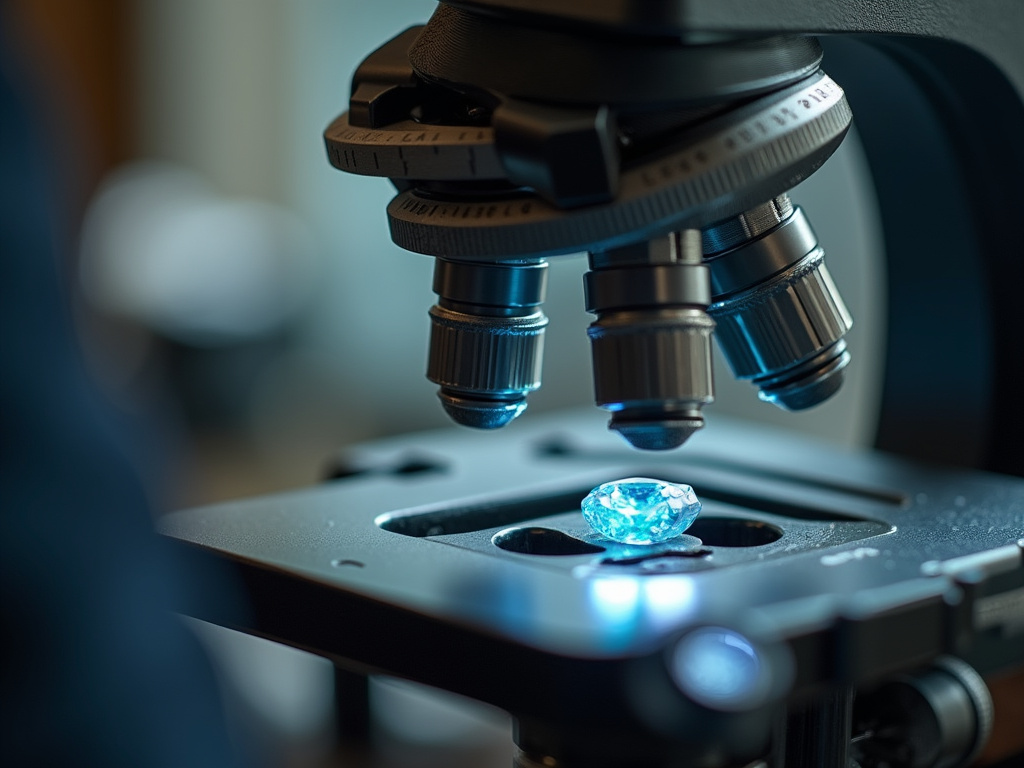
The science behind lab-grown diamonds involves a meticulous process that mimics nature’s intricate design. Unlike traditionally mined diamonds, which take billions of years to form deep within Earth’s crust, lab-grown diamonds are created in a controlled environment, significantly reducing their production time. This modern approach utilizes advanced technology, such as high-pressure and high-temperature (HPHT) methods or chemical vapor deposition (CVD), to recreate the natural conditions essential for diamond formation.
In HPHT, a small seed crystal is placed into a special chamber, where powerful pressures and temperatures are applied, similar to those found in geological processes. Over time, this process causes carbon atoms to crystallize around the seed, gradually forming a diamond. CVD, on the other hand, involves introducing natural gas, such as methane, into a plasma chamber, where it breaks down into carbon atoms that deposit onto a substrate, growing layer by layer into a diamond. Both methods result in diamonds with identical chemical and physical properties to their naturally occurring counterparts.
Understanding this science offers valuable insights for consumers looking to make informed choices about lab-grown diamonds. When considering what to expect from these stones, it’s crucial to recognize that the growth process itself ensures exceptional quality and purity. Furthermore, labs can precisely control conditions to create unique diamond shapes, sizes, and colors, offering a diverse range of options within a relatively short time frame. For instance, while natural diamonds may take billions of years to form, lab-grown diamonds can be produced in just days or weeks, with some advanced techniques taking 1-3 months from start to finish in Hoboken, NJ.
Market Growth & Industry Leaders in the Lab Grown Space
The lab-grown diamond market has witnessed a significant surge in popularity and growth over the past decade. This rapid expansion is driven by a combination of factors, including environmental concerns, ethical considerations, and advancements in technology. As consumers become increasingly aware of the social and ecological impacts of traditional mining practices, lab-grown diamonds offer a compelling alternative. These synthetic gems are created in a controlled laboratory environment, ensuring ethical sourcing and minimizing environmental degradation.
In terms of market growth, the global lab-grown diamond market is expected to reach a value of over $20 billion by 2027, growing at a CAGR of approximately 20% during the forecast period (2020-2027). Industry leaders such as De Beers, WD, and Pandora have played pivotal roles in this growth. De Beers, for instance, has successfully integrated lab-grown diamonds into its portfolio, demonstrating a commitment to innovation and sustainability. WD, known for its high-quality lab-grown offerings, has attracted a dedicated customer base by emphasizing the superior purity and clarity of its diamonds. Pandora, on the other hand, has strategically positioned itself as an advocate for ethical practices, leveraging lab-grown diamonds to cater to a socially conscious consumer base.
When considering the purchase of lab-grown diamonds, it’s essential to evaluate factors such as quality, pricing, and the brand’s ethical practices. While lab-grown diamonds can cost 15-30% less than their mined counterparts, the price can vary widely depending on the brand, cut, clarity, and carat weight. Are Tiffany diamonds mined or lab grown? Tiffany & Co. offers both mined and lab-grown diamonds, allowing customers to make informed choices based on their preferences and values. The key is to research and compare different brands, understanding their manufacturing processes and ethical standards. For example, some companies may use advanced CVD (Chemical Vapor Deposition) technology, ensuring a high-quality product with exceptional characteristics, albeit at a higher price point. Others might offer more affordable options, catering to a broader market.
To maximize the benefits of lab-grown diamonds, consumers should prioritize reputable sources and certificates from recognized gemological laboratories. These certifications guarantee the authenticity and quality of the diamonds, providing peace of mind. Additionally, staying informed about industry trends, keeping an eye on emerging brands, and being aware of the latest technological advancements can help individuals make informed decisions. Remember, as the lab-grown diamond market continues to evolve, the choices and opportunities will only expand, offering consumers greater control and access to these stunning, ethically sourced gems.
| Factor | What to know |
|---|---|
| Production Methods | HPHT and CVD techniques replicate natural diamond formation conditions |
| Formation Time | Diamonds produced in days to weeks, some taking 1-3 months |
| Market Value | Expected to reach over $20 billion by 2027 |
| Market Growth Rate | Approximately 20% CAGR from 2020 to 2027 |
| Cost Comparison | Can cost 15-30% less than mined diamonds |
| Certification Importance | Certificates from gemological labs ensure authenticity and quality |
Exploring the Advantages and Ethical Considerations
Lab grown diamonds have emerged as a significant development within the gem industry, offering both compelling advantages and ethical considerations to be explored. When considering whether to incorporate lab grown diamonds, it’s crucial to understand their unique properties and the processes behind their creation. These synthetic gems are produced in a controlled environment using advanced technology, mimicking the natural diamond formation process. This results in diamonds with identical physical and chemical characteristics to their mined counterparts, yet without the environmental and social impact associated with traditional mining practices.
What to expect from lab grown diamonds has evolved significantly over time. Initially, there were concerns about identifying these stones from naturally formed ones. However, advancements in technology have led to sophisticated detection methods, ensuring that consumers receive genuine lab grown diamonds with full transparency. In fact, a study by the Gemological Institute of America (GIA) found that even seasoned gemologists struggled to distinguish between lab-grown and naturally mined diamonds without specific testing equipment. This demonstrates the high level of quality and authenticity now achievable in lab grown diamonds.
Considering whether you actually need lab grown diamonds depends on individual preferences and priorities. For those deeply concerned about the ethical implications of traditional diamond mining—including environmental degradation, human rights abuses, and conflict financing—lab grown diamonds offer a compelling alternative. Furthermore, growing consumer demand has led to more affordable pricing for these stones, making them accessible to a broader market. Nevertheless, it’s important to weigh the benefits against factors like personal aesthetic preferences and budget constraints when deciding if lab grown diamonds are the right choice.
The rise of lab grown diamonds challenges conventional notions about gem value and sustainability. As awareness grows, consumers can make informed decisions based on accurate information about these remarkable stones. By exploring both the advantages and ethical considerations, individuals can navigate this evolving landscape with confidence, ensuring they acquire diamonds that align with their values and expectations.
Frequently Asked Questions About Lab Grown Diamonds
What are lab-grown diamonds?
Lab-grown diamonds, also known as cultivated or synthetic diamonds, are created in a controlled laboratory environment using advanced technology that mimics the natural diamond formation process. These diamonds have the same physical and chemical properties as their naturally mined counterparts but are produced without the need for mining. They offer an ethical and sustainable alternative to traditionally mined diamonds.
How are lab-grown diamonds made?
The process involves several steps, starting with a small seed of diamond material placed in a specialized chamber. High pressure and temperature are applied, causing the diamond to grow layer by layer until it reaches the desired size and shape. This method allows for precise control over the diamond’s characteristics, ensuring consistency and high quality.
Are lab-grown diamonds real or synthetic?
The term ‘lab-grown’ or ‘cultivated’ clarifies that these diamonds are not synthetic in the traditional sense but rather created in a laboratory setting. They are real diamonds, possessing the same crystal structure and optical properties as naturally formed diamonds. The primary distinction lies in their origin, making them an ethical choice for consumers concerned about environmental impact and human rights issues associated with traditional mining.
Do lab-grown diamonds have any drawbacks?
One commonly perceived drawback is that lab-grown diamonds may be more affordable than their natural counterparts due to the reduced cost of production and absence of mining expenses. However, this also makes them a more accessible option for consumers seeking high-quality gems at competitive prices. Additionally, lab-grown diamonds carry a lower environmental impact and do not contribute to conflict zones or unethical labor practices.
Are lab-grown diamonds less durable than natural diamonds?
Lab-grown diamonds are equally as durable as their natural counterparts. The growing process replicates the conditions under which natural diamonds form, resulting in comparable hardness and resilience. With proper care, lab-grown diamonds can last for generations, making them an excellent choice for jewelry and other decorative purposes.
How do I know if a diamond is lab-grown?
Determining whether a diamond is lab-grown or natural requires specific testing. Laboratory-grown diamonds are accompanied by certificates from reputable organizations that verify their origin and authenticity. These certificates provide detailed information about the diamond’s characteristics, ensuring consumers receive accurate and transparent information.
Are lab-grown diamonds environmentally friendly?
Yes, lab-grown diamonds offer a more sustainable option compared to traditional mining. The laboratory setting allows for precise control over production processes, minimizing environmental impact. There is no need for large-scale excavation or the disruption of ecosystems commonly associated with diamond mining. This makes lab-grown diamonds an attractive choice for environmentally conscious consumers.
Lab Grown Diamonds represent a significant advancement in the gem industry, offering a sustainable and ethical alternative to traditionally mined stones. The science behind their creation has evolved, ensuring high-quality results that rival natural diamonds. Market growth indicates a growing consumer preference for lab-grown options, with industry leaders emerging to shape this space. Key advantages include environmental and social benefits, reduced costs, and consistent quality. However, ethical considerations, such as consumer education and transparent marketing, are crucial to building trust. Moving forward, the industry must continue to innovate, refine quality standards, and promote awareness to solidify Lab Grown Diamonds as a preferred choice for consumers seeking responsible luxury.
W. Kodak Jewelers
60 Newark St., Hoboken, NJ 07030
(201) 710-5490
View W. Kodak Jewelers on Google Maps
How to get to W. Kodak Jewelers from ACME Markets
If you're over by ACME Markets, the drive to W. Kodak Jewelers is a quick one. Head out on Clinton St and you'll find us on Newark St. at 60 Newark St., Hoboken, NJ 07030. Use the map below for turn-by-turn directions.