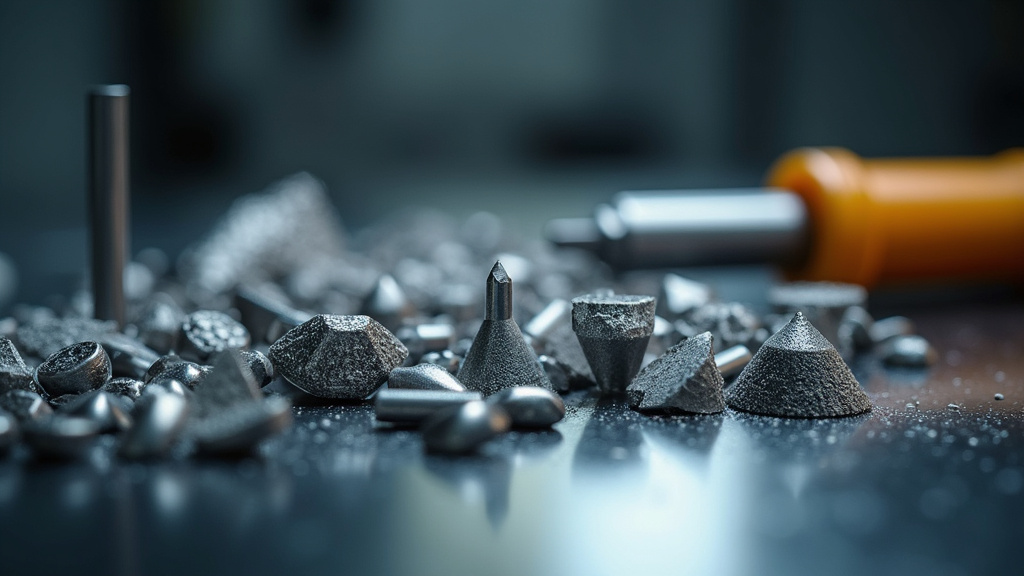
At a glanceLab-grown diamonds are created in a lab using advanced technology to mimic the natural process. They have the same physical and chemical properties as traditional diamonds, but they’re a more sustainable and ethical choice. Since 2015, lab-grown diamonds have gained popularity, with an estimated 2% of the market share in 2022. Companies like Leo Diamond and Clear Labs are leading the way in this innovative industry.
Key Takeaways
- Lab-grown diamonds offer a sustainable alternative, reducing environmental impact and carbon footprint compared to traditional mining.
- They are created in a controlled environment, ensuring ethical practices and avoiding the human rights concerns associated with some gem mines.
- With increasing demand and advancements in technology, lab-grown diamonds are now nearly indistinguishable from naturally formed ones.
- This new technology has the potential to disrupt the diamond industry, providing consumers with eco-conscious choices.
- Cost-wise, lab-grown diamonds can be significantly cheaper than their natural counterparts, making luxury accessible to more people.
- As of 2022, the global lab-grown diamond market is projected to reach $377 million, highlighting the growing interest and viability of this alternative.
- Leading diamond companies like De Beers are investing in lab-grown technology, signaling a future shift in the gem industry field.
In recent years, the global luxury jewelry market has been captivated by a revolutionary development: lab-grown diamonds. As consumers become increasingly conscious of ethical sourcing, the allure of these scientifically produced gems has grown. However, the rise of lab-grown diamonds presents a complex dilemma within the industry. While offering a conflict-free alternative to traditional mining, the new technology challenges established practices and raises questions about certification, pricing, and consumer perception. This article examines into the world of lab-grown diamonds, exploring their production, the evolving regulatory field, and their impact on the market, with a focus on providing insights that will aid industry professionals in navigating this major era.
- Understanding the Lab Grown Diamond Process
- Advantages and Applications of Lab-Grown Diamonds
- The Future of Diamond Production: Lab-Grown Innovations
Understanding the Lab Grown Diamond Process
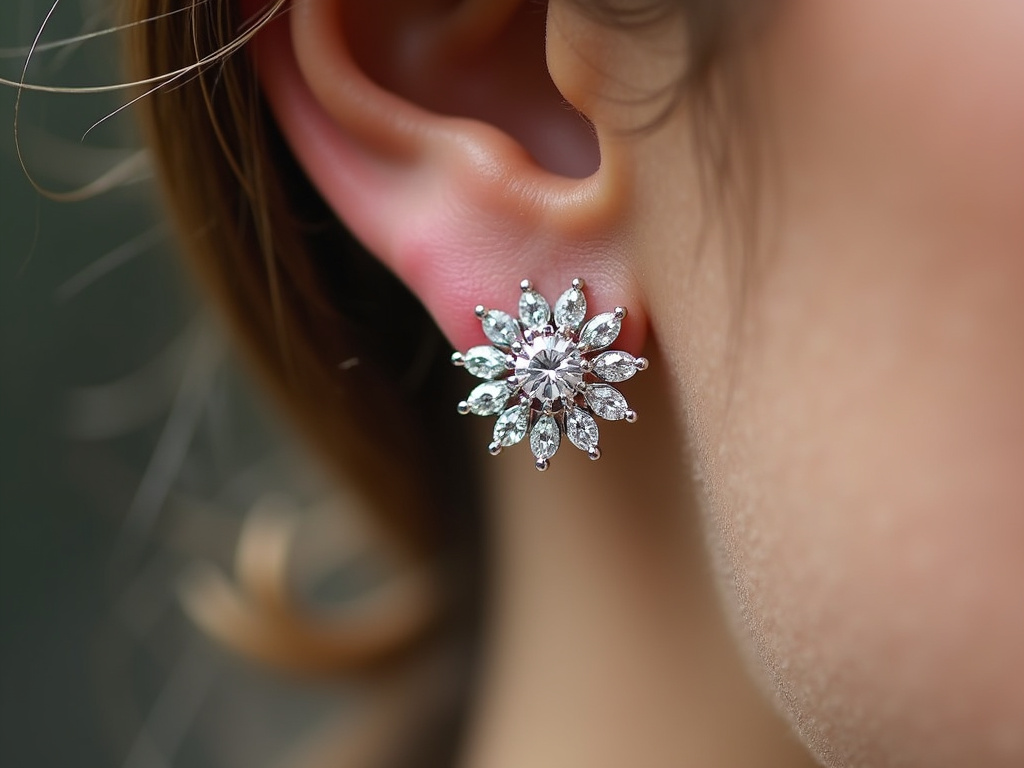
Lab Grown Diamonds in Hoboken: Where to Start
Looking for lab grown diamonds in Hoboken, NJ? lab grown diamonds at W. Kodak Jewelers serves the local area and can answer questions specific to Hoboken.
The lab-grown diamond process is a complex scientific procedure that involves creating gemstones in a controlled environment. Unlike their naturally mined counterparts, these diamonds form in a laboratory setting, offering a sustainable and ethical alternative to traditional diamond mining. The process starts by mimicking the conditions under which natural diamonds form deep within the Earth. This typically involves placing a seed, often a small fragment of a real diamond, into a specialized container filled with a specific growth medium. This medium, a carefully engineered mixture of chemicals, undergoes high pressure and temperature conditions, known as synthetic conditions, which facilitate the growth of a diamond crystal around the seed.
The key advantage of lab-grown diamonds lies in their ability to replicate these natural conditions on a much smaller scale and with greater precision. This allows for a high degree of control over the diamond’s characteristics, such as size, shape, color, and clarity. Gemlab, a leading innovator in the field, has reported the successful growth of diamonds with consistent quality and characteristics, rivaling those found in nature. The controlled nature of the process enables the production of diamonds with unique properties, such as specific color variations, that are difficult to find in naturally mined diamonds.
When considering the cost of lab-grown diamonds, it’s essential to understand that they generally offer a more affordable option compared to their natural counterparts. While prices can vary, lab-grown diamonds typically cost 30-50% less than equivalent quality mined diamonds. An Alpha Diamond Labs study found that their lab-grown diamonds had an average price of $1,200 per carat, compared to approximately $1,800 per carat for equivalent quality mined diamonds. However, it’s important to ask the right questions before purchasing. Consumers should inquire about the diamond’s origin, certification, and any potential environmental or ethical concerns. With the growing market for lab-grown diamonds, online retailers and luxury jewelry brands are offering these alternatives, but it’s important to ensure the provider is reputable and transparent.
In Hoboken, New Jersey, the question of whether lab-grown diamonds are worth the investment is a relevant one for local consumers. Considering the city’s strong retail jewelry sector, consumers have access to a variety of options. Lab-grown diamonds offer an appealing choice for those seeking an ethical, sustainable, and cost-effective alternative to traditional diamonds. The growing acceptance and availability of lab-grown diamonds suggest a promising future for this technology, potentially reshaping the luxury jewelry market and challenging the status quo of conflict-free mining, as certified by organizations like the Gemological Institute of America (GIA) and International Gemological Institute (IGI), ensuring consumers get a genuine and valuable product.
Advantages and Applications of Lab-Grown Diamonds
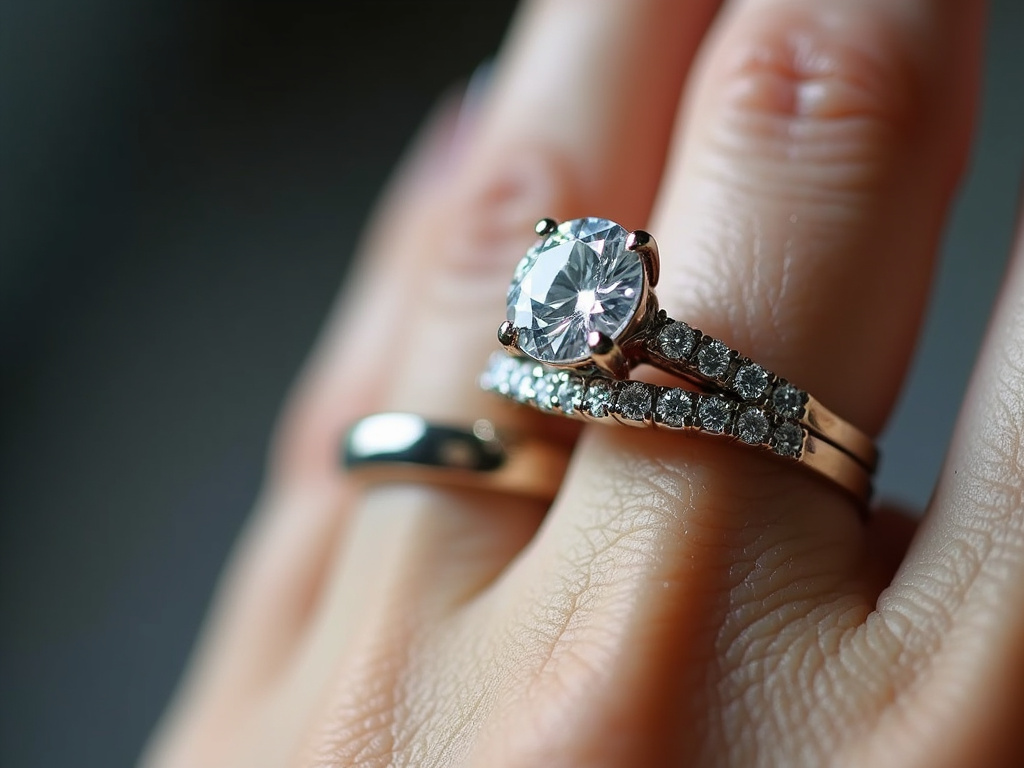
Lab-grown diamonds have emerged as a significant development in the jewelry industry, offering an alternative to traditionally mined stones. Their production involves advanced scientific methods, ensuring a more sustainable and ethical supply chain. This technology has several advantages, especially when considered alongside the growing consumer demand for conflict-free gems.
One of the key benefits is the ability to replicate the chemical and physical properties of natural diamonds, making lab-grown diamonds indistinguishable from their mined counterparts. This fact has been validated by leading gemological institutions like the Gemological Institute of America (GIA) and International Gemological Institute (IGI), ensuring their authenticity. The process is precise, allowing for the creation of diamonds with specific characteristics, such as unique carats, colors, and cuts. This level of customization opens doors for designers and jewelers, enabling them to create pieces that are both innovative and appealing to a diverse market. Alpha Diamond Labs has been at the forefront of this technology, producing high-quality lab-grown diamonds that have found their way into luxury jewelry collections.
In terms of cost, lab-grown diamonds generally offer a more affordable option compared to their natural counterparts, without compromising quality. While prices can vary, the consistent supply ensures a more stable market. When considering purchasing, it’s important to ask the right questions, such as the diamond’s origin, certification, and any associated environmental or social impact statements. Reputable jewelers, like those affiliated with the World Diamond Council (WDC), adhere to strict ethical standards, ensuring conflict-free and sustainable practices. Online retailers and retail jewelers alike are increasingly offering lab-grown diamond collections, providing consumers with a wide range of options to suit various budgets and styles. The popularity of lab-grown diamonds is driven by a combination of sustainability, ethics, and the opportunity for personalized, high-quality jewelry.
| Factor | What to know |
|---|---|
| Market share (2022) | Estimated 2% of diamond market |
| Global market value | Projected to reach $377 million in 2022 |
| Cost savings | Typically 30-50% cheaper than mined diamonds |
| Average price per carat | $1,200 vs $1,800 for mined diamonds |
| Certification bodies | Certified by GIA and IGI |
| Production method | Grown from seed under high pressure/temperature |
The Future of Diamond Production: Lab-Grown Innovations
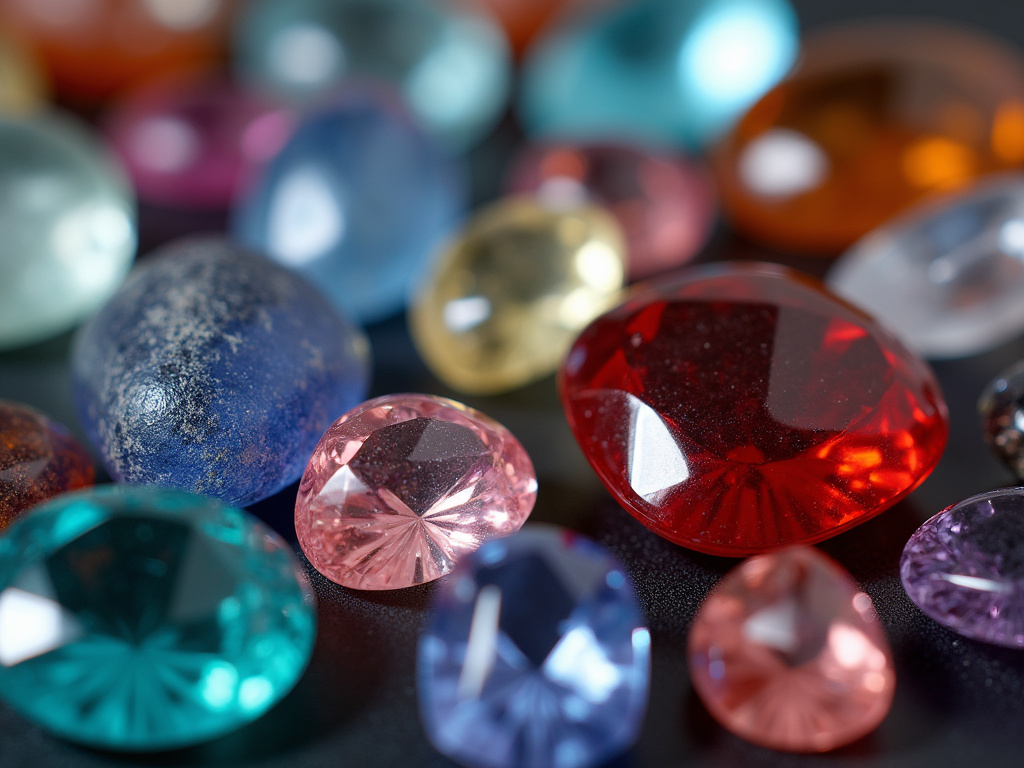
The future of diamond production is increasingly shaped by lab-grown diamonds, a rapidly evolving field that promises to transform the industry. While natural diamonds have long been the standard, lab-grown diamonds now offer a viable alternative, challenging established practices in significant ways. The process of creating lab-grown diamonds involves advanced scientific techniques, such as chemical vapor deposition or high-pressure high-temperature methods, mimicking the natural conditions under which diamonds form. This innovative approach allows for precise control over the diamond’s characteristics, including size, color, and clarity.
In Hoboken, as in many urban centers, the growing popularity of lab-grown diamonds is prompting a shift in consumer preferences. To qualify for lab-grown diamonds, jewelers need to understand the unique certifications and standards applicable to this new category of gemstones. The Gemological Institute of America (GIA) and International Gemological Institute (IGI) have developed specific guidelines for lab-grown diamond certification, ensuring transparency and consumer trust. These certifications verify the origin and characteristics of the diamond, addressing concerns about authenticity and ethical sourcing, which have historically plagued the natural diamond industry.
The question of whether lab-grown diamonds are worth the investment in Hoboken, or anywhere, is a complex one. On one hand, they offer environmental and ethical benefits, eliminating the need for conflict-free mining practices and significantly reducing the ecological footprint associated with traditional diamond mining. Lab-grown diamonds are generally more affordable, providing consumers with a high-quality alternative at a lower price point. According to a 2022 report by the World Diamond Council (WDC), the global market for lab-grown diamonds is projected to reach $20 billion by 2026, underscoring the industry’s rapid growth and growing acceptance. For luxury jewelry brands, online retailers, and retail jewelers alike, embracing lab-grown diamonds can mean staying competitive in a market that increasingly values sustainability and affordability.
However, the longevity and aesthetic appeal of lab-grown diamonds compared to their natural counterparts remain topics of debate. While the process takes anywhere from several days to a few weeks, depending on the method and desired specifications, the end result is a diamond with virtually identical physical and chemical properties to its natural counterpart. This, coupled with advancements in cutting and polishing techniques, ensures that lab-grown diamonds can be every bit as brilliant and beautiful as their naturally sourced counterparts—and in many cases, even more so, given the precision with which they are created. As the market matures, expect to see a further integration of lab-grown diamonds into mainstream jewelry design, reshaping the way we think about, value, and consume these precious gems.
Frequently Asked Questions About Lab Grown Diamonds
**What are lab-grown diamonds, and how are they created?
Lab-grown diamonds, also known as cultivated or synthetic diamonds, are created in a controlled laboratory environment rather than mined from the earth. The process typically involves using advanced technologies, such as chemical vapor deposition (CVD) or high-pressure high-temperature (HPHT) methods, to replicate the natural conditions under which diamonds form. In CVD, a gas mixture containing carbon is heated, causing it to deposit onto a substrate, layer by layer, forming a diamond crystal. HPHT involves subjecting a carbon-containing material to extreme pressure and temperature, mimicking the deep-earth conditions where natural diamonds form.
**Are lab-grown diamonds real diamonds?
Yes, lab-grown diamonds are considered real diamonds in every scientific and legal sense. They possess the same physical, chemical, and optical properties as naturally occurring diamonds. The primary distinction lies in their origin: while natural diamonds form over billions of years through geological processes, lab-grown diamonds are produced in a matter of weeks or months. Despite this difference, they share the same hardness, brilliance, and rarity that make natural diamonds valuable.
**What are the environmental benefits of lab-grown diamonds?
The production of lab-grown diamonds offers several significant environmental advantages over traditional mining. Firstly, they eliminate the need for excavation and the subsequent destruction of fields, reducing the carbon footprint associated with mining operations. Secondly, lab-grown diamonds don’t require the same amount of energy and resources as their mined counterparts. The energy consumption in CVD production is around 50% lower than that of traditional diamond mining. Lastly, by eliminating the middlemen and the long supply chain, lab-grown diamonds can reduce water usage and pollution linked to mining practices.
**Are lab-grown diamonds more affordable than natural diamonds?
Generally, lab-grown diamonds offer a more affordable alternative to their natural counterparts. This affordability stems from the reduced costs of production and the elimination of various intermediary expenses. Since the manufacturing process is controlled and efficient, lab-grown diamonds can be produced at lower costs. As of 2022, lab-grown diamonds are often sold at 30-50% lower prices than equivalent natural diamonds, making them a cost-effective choice for consumers.
**Do lab-grown diamonds carry any certifications?
Yes, lab-grown diamonds are subject to the same certification processes as natural diamonds. Reputable labs issue certificates that verify the diamond’s origin, quality, and authenticity. These certificates are essential for ensuring transparency and building consumer trust. The two primary certification bodies for lab-grown diamonds are the International Gemological Institute (IGI) and the American Gemological Association (AGA). Both organizations provide rigorous testing and grading services to confirm the diamond’s characteristics.
**Can lab-grown diamonds be used in engagement rings?
Absolutely. Lab-grown diamonds are ideal for engagement rings and other valuable jewelry pieces due to their identical properties to natural diamonds. They maintain the same brilliance, fire, and rarity that make traditional diamonds highly sought after. In fact, many jewelers now offer lab-grown diamond options, catering to environmentally conscious consumers who appreciate the ethical and sustainable aspects of these stones without compromising quality or style.
As we’ve explored the field of lab-grown diamonds, several key insights emerge. Firstly, the process, while scientifically advanced, replicates natural conditions to produce gems with identical chemical and physical properties to their earth-mined counterparts. This ensures that lab-grown diamonds are not merely imitations but genuine diamond crystals. The advantages are numerous: reduced environmental impact, conflict-free sourcing, and consistent quality. These benefits have already found applications in luxury jewelry, appealing to consumers seeking ethical and sustainable choices.
Looking ahead, the future of diamond production holds exciting possibilities with innovations from companies like Gemlab, Scientific Growth, and Alpha Diamond Labs. The industry’s shift towards lab-grown diamonds is gaining momentum, driven by consumer demand and the support of prestigious gemological institutions like the Gemological Institute of America (GIA) and International Gemological Institute (IGI), which have established standards for their certification.
With the World Diamond Council (WDC) promoting conflict-free mining, the market for lab-grown diamonds is poised to expand. Retail jewelers and online retailers are already incorporating these gems into their offerings, further solidifying their place in the market. This trend promises a sustainable and ethical future for the diamond industry, offering valuable insights and practical applications for businesses and consumers alike.
W. Kodak Jewelers
60 Newark St., Hoboken, NJ 07030
(201) 710-5490
Website: wkodakjewelers.com
View W. Kodak Jewelers on Google Maps
How to get to W. Kodak Jewelers from Sinatra Park
Driving in from Sinatra Park? the drive to W. Kodak Jewelers is a quick one. Head out on Sinatra Dr and you’ll find us on Newark St. at 60 Newark St., Hoboken, NJ 07030. Use the map below for turn-by-turn directions.