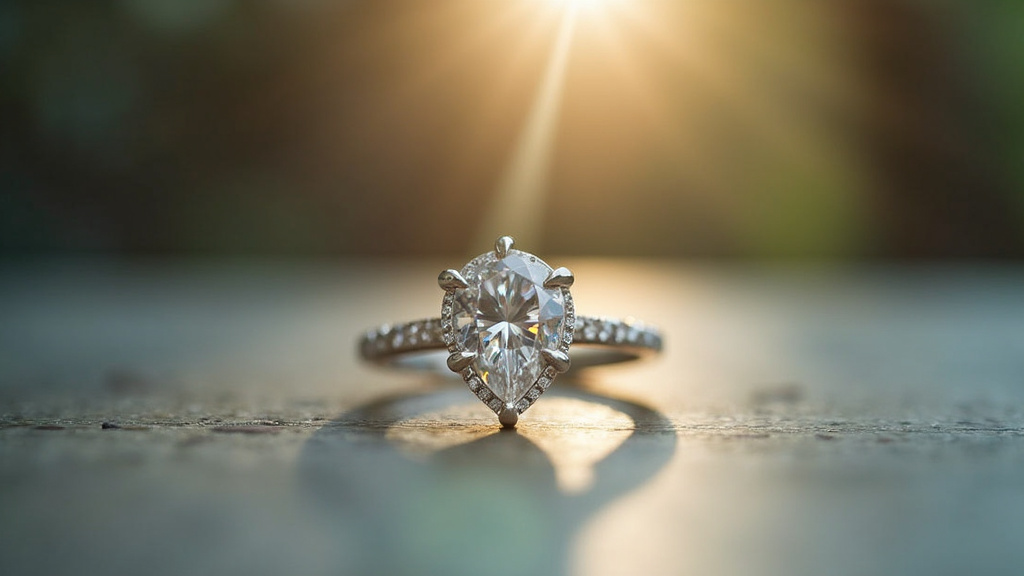
At a glanceLab-grown diamonds are created in a lab rather than in the earth. Scientists use a process that mimics nature to form diamonds from pure carbon under high pressure and temperature. This method allows for ethical production without the environmental impact of traditional mining, offering an eco-friendly alternative.
Key Takeaways
- Lab-grown diamonds offer a sustainable alternative, reducing environmental impact and ethical concerns associated with traditional mining.
- The process involves advanced technology, ensuring consistent quality and purity, comparable to naturally occurring diamonds.
- Growing diamonds in a lab setting allows for better control over size, shape, and color, enabling customized creation.
- This technology is revolutionizing the industry, providing an eco-friendly option with potential cost savings.
- Increasing popularity among consumers seeking conflict-free and unique gemstones for engagement rings and fine jewelry.
- Lab-grown diamonds face challenges in gaining consumer trust and brand recognition, but education and transparency are key to their success.
- With advancements in technology, the future looks bright for lab-grown diamonds to become a mainstream choice in the jewelry market.
In recent years, the rise of lab-grown diamonds has significantly reshaped the gem industry, offering an innovative and ethically sound alternative to traditionally mined stones. As consumers grow increasingly conscious of the environmental and social implications of their purchases, lab-grown diamonds have emerged as a compelling solution. However, navigating this new landscape presents challenges, from understanding the nuances of lab-grown diamond production to discerning reputable sources. This article delves into the world of lab-grown diamonds, exploring their benefits, processes, and the crucial considerations for discerning consumers.
Lab Grown Diamonds in Hoboken: Where to Start
Looking for lab grown diamonds in Hoboken, NJ? lab grown diamonds in Hoboken, NJ serves the local area and can answer questions specific to Hoboken.
Understanding the Process of Lab Grown Diamonds
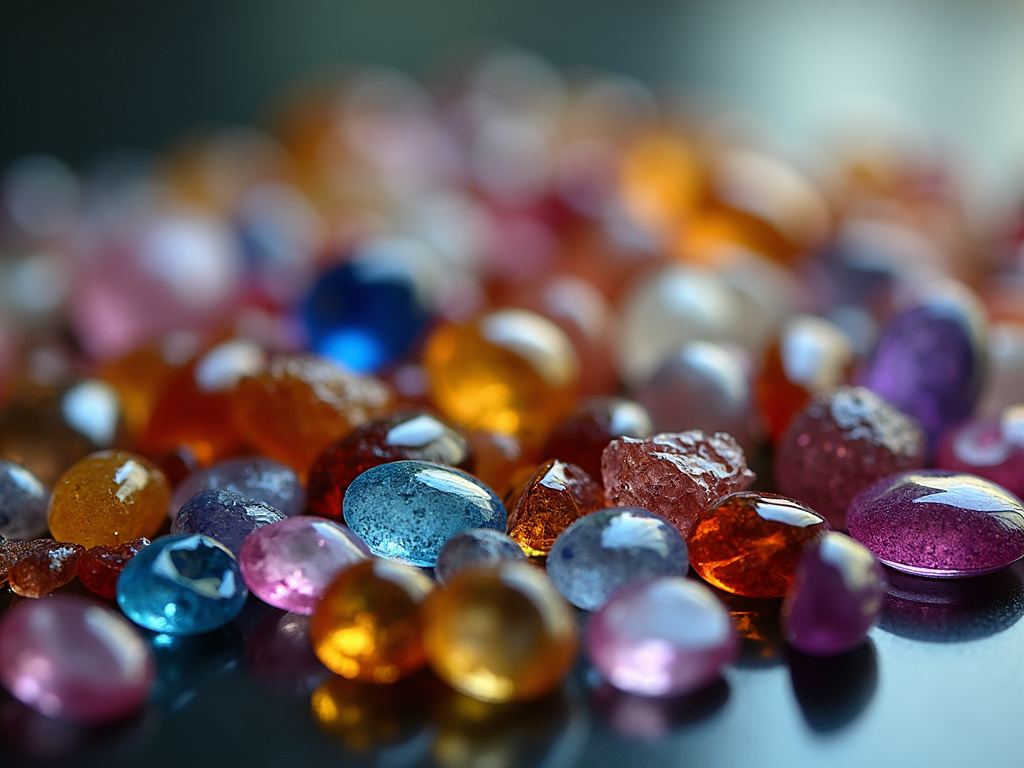
The process of creating lab-grown diamonds involves a sophisticated scientific approach that mimics the natural diamond formation process. It begins with placing a small seed of diamond material into a high-pressure, high-temperature environment, often using a metal catalyst. This artificial condition accelerates the growth of the diamond crystal, resulting in a high-quality, pure diamond. The entire process is closely monitored to ensure the diamonds meet strict standards.
In Hoboken, the process involves a series of careful steps, including the selection of the initial diamond seed, control of pressure and temperature, and precise chemical composition adjustments. These factors significantly influence the final diamond’s characteristics, such as clarity, color, and cut. The result is a diamond that is virtually indistinguishable from a naturally occurring one, yet with added benefits like ethical sourcing and consistent quality.
When considering the cost of lab-grown diamonds, it’s essential to understand that pricing varies based on factors like carat weight, color, clarity, and cut. A 1-carat lab-grown diamond can range from $1,000 to $5,000, depending on these specifications. It’s worth noting that, on average, lab-grown diamonds are approximately 30-40% less expensive than their naturally mined counterparts, making them an attractive option for budget-conscious consumers. For instance, a 1-carat D-color, VS1 clarity lab-grown diamond might cost around $1,200 to $1,500, offering exceptional value.
When choosing a jeweler for lab-grown diamonds, consider reputable options like Blue Nile, which is renowned for its extensive selection and transparent pricing. Another leading jeweler, James Allen, offers an extensive lab-grown collection with detailed gemological reports, ensuring you receive a high-quality product. Additionally, local independent jewelers who specialize in lab-grown diamonds can provide personalized services and unique designs, allowing you to find the perfect piece that suits your style and budget.
Benefits and Considerations in the Market
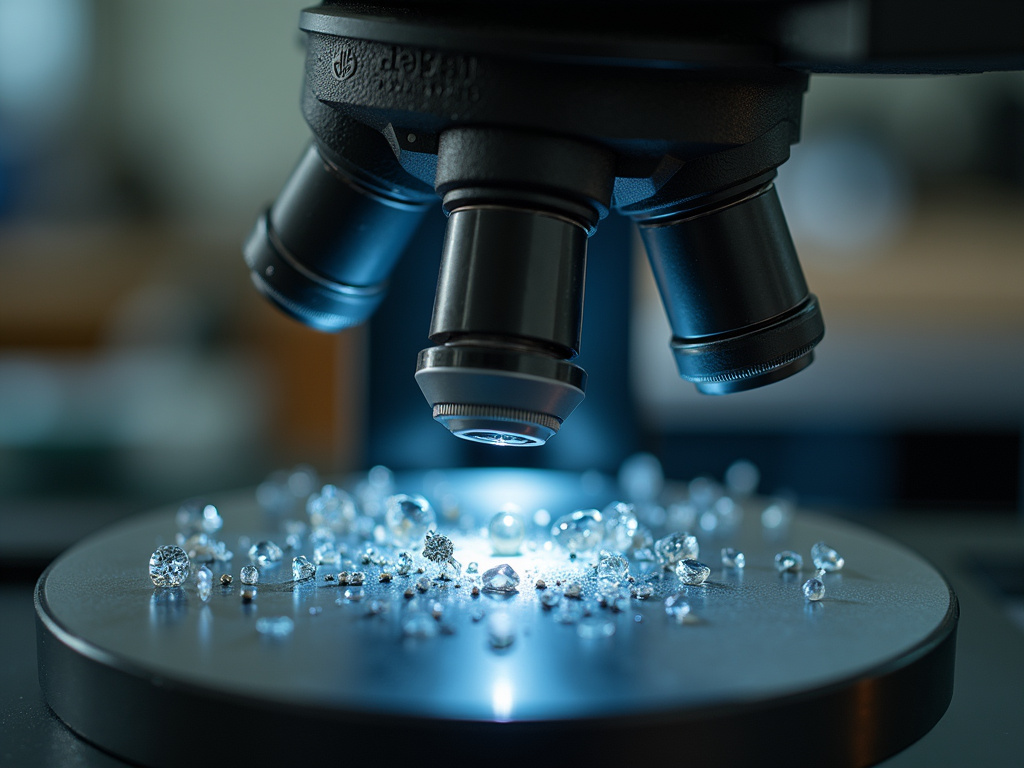
Choosing lab-grown diamonds offers a unique blend of benefits, each appealing to different consumers based on their values and priorities. These stones, created in a controlled environment using a process that mimics the natural diamond formation, present a compelling alternative to traditionally mined diamonds. Firstly, lab-grown diamonds are significantly more sustainable. Mining has long been associated with environmental degradation and human rights concerns, while the lab-grown process significantly reduces these impacts, using up to 99% less water and energy compared to traditional mining methods.
Beyond sustainability, lab-grown diamonds often offer superior quality at a lower price point. Because the stones are grown under precise conditions, jewellers can control variables like clarity and colour, resulting in a wider range of choices and often better value for consumers. This makes them an attractive option for those seeking premium quality without the associated cost premium of traditionally mined diamonds.
However, navigating the lab-grown diamond market requires careful consideration. When seeking the best lab-grown diamonds, "which jeweler has the best" is a question that demands in-depth research. Reputable jewellers will provide detailed information about their sourcing, testing, and certification processes. Ask questions like: How do they ensure the ethical sourcing of lab-grown diamonds? Do they offer independent lab certifications? What is their return policy? Understanding the journey of a diamond from creation to sale is crucial for making an informed decision.
The process itself is intriguing. In Hoboken, for instance, the lab-grown diamond process involves subjecting a small seed, often a fragment of natural diamond, to high pressure and temperature in a controlled environment. This causes the seed to grow into a full-sized diamond over several weeks. This innovative technology allows for exquisite control over the diamond’s characteristics, leading to exquisite gems with remarkable clarity and colour. However, not all lab-grown diamonds are created equal, so thorough research and consultation with experts is key to selecting a high-quality product.
| Factor | What to know |
|---|---|
| Formation Process | Seed diamond grown under high pressure and temperature with metal catalyst |
| Cost Savings | Roughly 30-40% cheaper than natural diamonds |
| 1-Carat Price Range | Costs between $1,000 and $5,000 depending on specs |
| Resource Efficiency | Uses up to 99% less water and energy than mining |
| Reputable Jewelers | Blue Nile and James Allen offer certified lab-grown options |
| Buyer Considerations | Check sourcing ethics, certification, and return policies before buying |
The Future and Impact of Lab Grown Diamonds
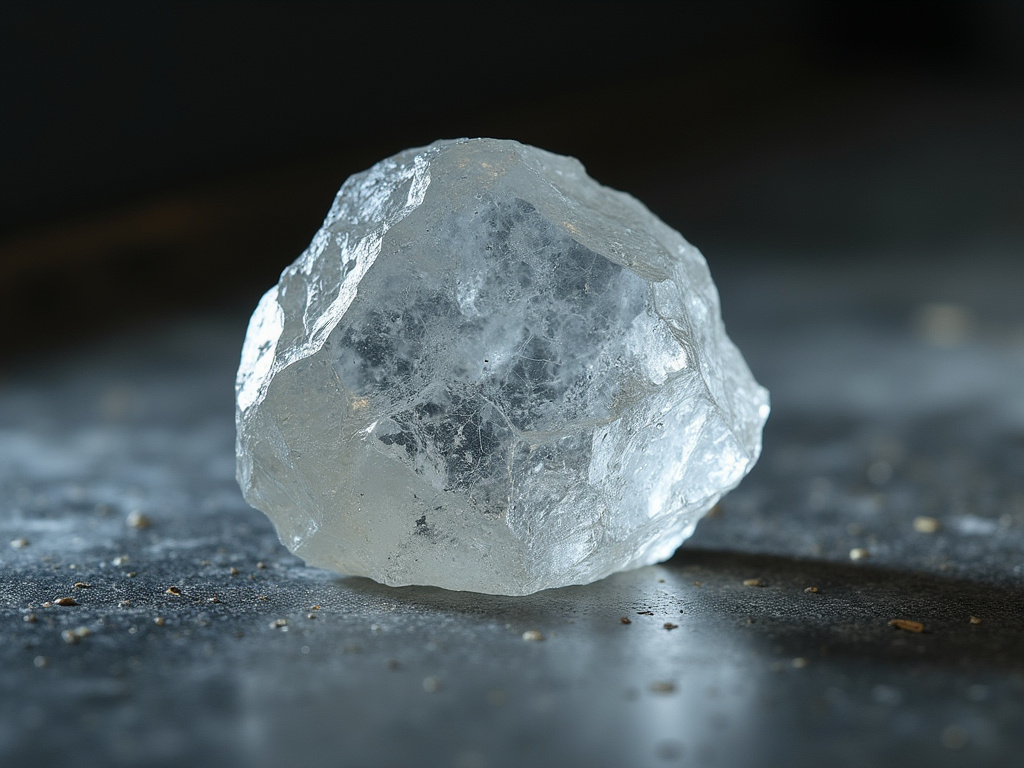
The future of the diamond industry is set to be reshaped by the rapid growth and acceptance of lab-grown diamonds. This innovative technology, which replicates the natural diamond creation process in a controlled laboratory environment, is poised to disrupt traditional mining practices and offer a more sustainable, ethical, and cost-effective alternative. As consumers become increasingly conscious of the environmental and social impacts of their purchases, lab-grown diamonds are expected to gain significant traction, challenging the dominance of earth-mined diamonds.
What to expect from lab-grown diamonds in the coming years? The market is predicted to witness a substantial expansion, driven by advancements in technology, decreasing production costs, and heightened consumer demand for sustainable luxury goods. This growth is not just a trend; it’s a paradigm shift. Companies like WD Lab Grown Diamonds and De Beers have already made significant inroads, ensuring that lab-grown diamonds meet the highest standards of quality and purity. As these diamonds become more readily available and affordable, they will likely become the preferred choice for many, especially younger generations who value ethical consumption.
In Hoboken, New Jersey, for instance, the process of obtaining lab-grown diamonds can be swift, taking as little as one to three days, depending on the specific requirements. This efficiency is a significant advantage, enabling local jewelers and consumers to embrace this new technology without lengthy delays. To qualify for lab-grown diamonds, individuals typically need to provide clear documentation and specifications, ensuring the diamonds meet their desired criteria. This streamlined process not only caters to the demand for faster, more transparent transactions but also aligns with the industry’s evolving standards.
Frequently Asked Questions About Lab Grown Diamonds
What are lab-grown diamonds?
Lab-grown diamonds, also known as cultivated or synthetic diamonds, are created in a controlled laboratory environment using advanced technology. These diamonds are virtually identical to naturally mined diamonds in terms of physical, chemical, and optical properties. The process mimics the natural diamond formation process, but instead of heat and pressure from the Earth’s crust, man-made conditions are used to grow diamonds.
How are lab-grown diamonds made?
The process typically involves placing a small seed of diamond material into a chamber, where high pressure and temperature are applied. This causes the diamond to grow layer by layer, mimicking the natural process. This method allows for precise control over the diamond’s size, shape, and purity.
Are lab-grown diamonds as valuable as natural diamonds?
The value of diamonds, whether lab-grown or naturally mined, is primarily determined by factors like cut, clarity, color, and carat weight, known as the 4Cs. Lab-grown diamonds can have the same quality and grade as natural diamonds, and often, they are more affordable. The value is not inherently different, but the cost can vary based on market demand and specific characteristics.
Do lab-grown diamonds have any environmental benefits?
Yes, lab-grown diamonds offer significant environmental advantages. Mined diamonds contribute to environmental degradation, including habitat destruction, water pollution, and human rights concerns. In contrast, lab-grown diamonds can be produced with a much smaller environmental footprint, as they don’t require mining or the extensive use of natural resources.
Are lab-grown diamonds safe to wear?
Absolutely. Lab-grown diamonds are just as safe and durable as natural diamonds. They are treated the same way in jewelry, and their hardness and brilliance make them suitable for everyday wear. There are no safety concerns associated with wearing lab-grown diamonds.
Can I tell the difference between lab-grown and natural diamonds?
With current technology, it’s nearly impossible for the untrained eye to distinguish between lab-grown and natural diamonds. Both types have the same optical and physical properties, including their refractive index, sparkle, and hardness. Gemologists and experts rely on specific testing methods to differentiate them.
Are lab-grown diamonds ethical?
Lab-grown diamonds are considered a more ethical alternative to mined diamonds. The controlled growth process eliminates many of the ethical concerns associated with traditional mining, such as human rights violations, child labor, and environmental degradation. They offer a sustainable and responsible choice for consumers.
As we’ve explored, Lab Grown Diamonds represent a significant evolution in the diamond industry, offering a sustainable and ethical alternative to traditionally mined gems. The understanding of the lab-growing process has advanced, allowing for precise control over diamond characteristics. This method not only benefits consumers seeking eco-friendly options but also addresses ethical concerns surrounding conflict diamonds. The market’s growth indicates a growing consumer awareness and acceptance of Lab Grown Diamonds, fostered by their consistent quality and transparent origins. Looking ahead, the future of Lab Grown Diamonds seems poised for continued expansion, potentially disrupting traditional diamond supply chains and reshaping the industry’s landscape. Key players in the market should focus on fostering consumer education, emphasizing the environmental and social benefits of Lab Grown Diamonds, and staying at the forefront of technological advancements to maintain a competitive edge.
W. Kodak Jewelers
60 Newark St., Hoboken, NJ 07030
(201) 710-5490
Website: wkodakjewelers.com
View W. Kodak Jewelers on Google Maps
How to get to W. Kodak Jewelers from Hoboken Historical Museum
Coming from Hoboken Historical Museum? W. Kodak Jewelers is a short drive away. Head out on Hudson St and you’ll find us on Newark St. at 60 Newark St., Hoboken, NJ 07030. Use the map below for turn-by-turn directions.