At a glanceLab-grown diamonds are created in a lab using advanced technology to mimic the natural diamond formation process. They have the same physical and chemical properties as earth-mined diamonds but are produced more sustainably and ethically, offering an eco-friendly alternative without compromising quality or beauty.
Key Takeaways
- Lab-grown diamonds offer a sustainable alternative to traditional mining, reducing environmental impact and ethical concerns.
- The process involves advanced technology to mimic nature, resulting in identical chemical and physical properties to naturally occurring diamonds.
- With growing popularity, demand for lab-grown diamonds is outpacing supply, driving up prices in some segments.
- Certifications and consumer education are crucial to ensure transparency and maintain the reputation of lab-grown diamond industry.
- Increasing accessiblity and affordability make lab-grown diamonds a viable option for a broader range of consumers.
- Future innovations could further refine the process, leading to even more diverse shapes, sizes, and colors of lab-grown diamonds.
- Choosing lab-grown diamonds supports a more responsible and ethical approach to gem production.
In recent years, the global jewelry industry has witnessed a significant shift towards lab-grown diamonds. This growing trend reflects a critical need to address the environmental and ethical concerns associated with traditional diamond mining. The process of extracting diamonds from the earth comes with substantial environmental impacts, including habitat destruction and water pollution. Moreover, the industry has long been plagued by issues of conflict and human rights abuses. Lab-grown diamonds offer a sustainable and ethical alternative, providing consumers with the same exceptional beauty and quality without the moral and environmental complications. This article delves into the science behind lab-grown diamonds, exploring their benefits, applications, and their growing significance in the modern market.
Lab Grown Diamonds in Hoboken: Where to Start
Looking for lab grown diamonds in Hoboken, NJ? lab grown diamonds at W. Kodak Jewelers serves the local area and can answer questions specific to Hoboken.
Understanding the Science Behind Lab Grown Diamonds
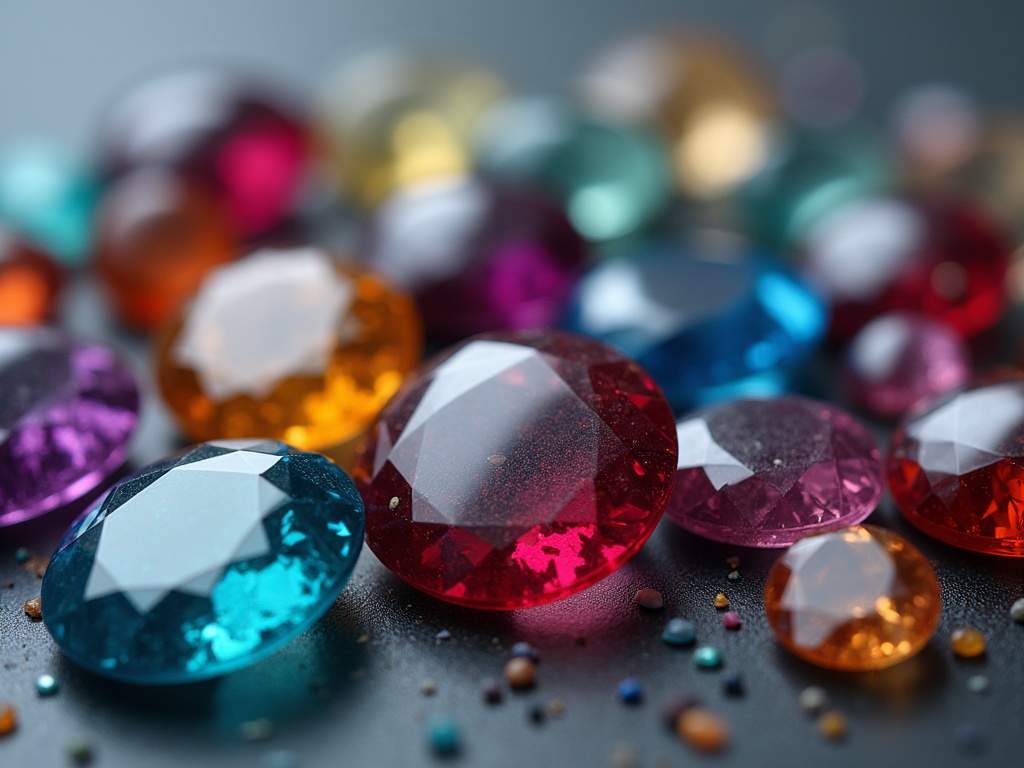
Lab grown diamonds have emerged as a significant alternative to traditionally mined gems, offering a sustainable and ethical choice for consumers. Understanding the science behind these artificial diamonds is crucial to appreciating their quality and benefits. The process begins with the simulation of natural conditions under which diamonds form in the Earth’s mantle. By controlling elements like pressure, temperature, and carbon composition, scientists can create synthetic diamond crystals that mirror the structure and properties of their naturally occurring counterparts.
This advanced technology allows for precise control over various attributes, such as size, color, clarity, and even cut. For instance, a study by the Gemological Institute of America (GIA) found that lab grown diamonds exhibit consistent physical and optical properties compared to mined diamonds. Furthermore, the controlled environment eliminates the risk of contamination or discoloration often associated with mining practices. As a result, consumers can expect superior quality and consistency from lab grown diamonds.
When considering lab grown diamonds in Hoboken or any other location, it’s important to verify their authenticity and origin. Reputable jewelers and certifying bodies provide guarantees and assurances about the diamonds’ provenance. What sets these diamonds apart is not just their origin but also their potential for customization. Jewelers can tailor cuts, shapes, and settings to individual preferences, offering a level of personalization that traditional mined diamonds may not match. As lab grown diamond technology continues to evolve, consumers can anticipate even more innovative designs and exceptional quality in the future.
The Environmental and Ethical Benefits of Lab-Grown Diamonds
Lab-grown diamonds represent a significant advancement in the diamond industry, offering a more sustainable and ethical alternative to traditionally mined diamonds. These man-made gems are created in a lab setting, mimicking the natural process of diamond formation deep within the Earth. This innovative approach has several compelling environmental and ethical benefits that are gaining recognition among consumers.
In terms of environmental impact, lab-grown diamonds significantly reduce the ecological footprint associated with traditional mining. Mining activities often result in habitat destruction, water pollution, and the release of harmful greenhouse gases. Unlike traditional mines, lab settings allow for precise control over the diamond creation process, minimizing these negative effects. For instance, a study by the World Diamond Council found that lab-grown diamonds use up to 99% less water and generate up to 45% fewer greenhouse gas emissions compared to mined diamonds. Furthermore, by eliminating the need for complex mining operations, lab-grown diamonds help preserve natural resources and reduce the energy consumption required to extract and refine precious stones.
Ethical considerations are another critical aspect where lab-grown diamonds excel. Traditional diamond mining has been linked to human rights abuses, child labor, and funding conflicts in certain regions. These issues are largely absent in the lab-grown diamond industry. By creating diamonds in a controlled environment, companies can ensure fair labor practices, eliminate the risk of blood diamonds, and provide consumers with a transparent supply chain. This level of transparency builds trust among customers who are increasingly concerned about the ethical implications of their purchases.
When considering whether to opt for lab-grown diamonds, it’s essential to recognize that these stones are virtually indistinguishable from their natural counterparts. They possess the same physical, chemical, and optical properties, making them a superior choice for jewelry and other applications. Moreover, the shorter duration of lab-grown diamond production—typically 1-3 weeks—compared to the months or years required for traditional mining, makes them a more efficient and appealing option. As the demand for sustainable and ethical practices continues to rise, lab-grown diamonds are poised to become a preferred choice for consumers who want to make responsible decisions without compromising on quality or aesthetics.
| Factor | What to know |
|---|---|
| Water usage | Up to 99% less water than mined diamonds |
| Greenhouse gas emissions | Up to 45% fewer emissions than mined diamonds |
| Production time | Typically 1-3 weeks versus months/years for mining |
| Ethical sourcing | Avoids human rights abuses, conflict, and child labor |
| Customization options | Jewelers can tailor cuts, shapes, and settings |
| Authenticity verification | Reputable jewelers/certifying bodies guarantee origin and quality |
Exploring the Market and Future of Lab-Grown Diamonds
The market for lab-grown diamonds is experiencing a significant surge, challenging the traditional mined diamond industry. This growth is driven by increasing consumer awareness, environmental concerns, and the allure of conflict-free gems. Lab-grown diamonds, created under controlled conditions, offer an ethical and sustainable alternative to mined diamonds, sparking interest among consumers and industry experts alike. They provide an exquisite and eco-conscious choice, free from the social and environmental implications often associated with mined gems.
As the demand for lab-grown diamonds rises, the market is evolving rapidly. Major luxury brands and retailers are embracing this trend, incorporating lab-grown diamonds into their collections. This shift not only caters to environmentally conscious consumers but also showcases the beauty and versatility of these man-made gems. For instance, renowned jewelry brand Tiffany & Co. has recently introduced a line of lab-grown diamond jewelry, marking a significant step in the industry’s transformation. The move highlights the growing acceptance and sophistication of lab-grown diamonds within the luxury sector.
However, the rise of lab-grown diamonds also raises questions and considerations. One common query is whether opting for lab-grown diamonds is truly necessary. While they offer numerous advantages, including ethical sourcing and environmental benefits, the need for such a choice depends on individual values and preferences. Some consumers prioritize the unique story and rarity associated with mined diamonds, while others seek the peace of mind that comes with knowing their jewelry has been responsibly created. Understanding these nuances is essential for both consumers and industry professionals as the market continues to evolve.
The future of lab-grown diamonds looks promising, with advancements in technology and an increasing focus on sustainability. As the market matures, consumers can expect a wider range of styles, cuts, and carats, making lab-grown diamonds even more accessible and desirable. Moreover, the industry’s focus on educating consumers about the benefits of lab-grown diamonds will play a crucial role in shaping public perception. By addressing the downsides, such as the misconception of reduced quality, the industry can ensure that lab-grown diamonds are appreciated for their ethical and environmental advantages, solidifying their place in the market and potentially reshaping the future of the diamond industry as we know it.
Frequently Asked Questions About Lab Grown Diamonds
What are lab-grown diamonds?
Lab-grown diamonds, also known as cultivated or synthetic diamonds, are created in a controlled laboratory environment. They undergo a process that mimics the natural formation of diamonds deep within the Earth. This technology allows for the production of diamonds with identical chemical, physical, and optical properties as naturally occurring diamonds, but without the environmental impact and ethical concerns associated with traditional mining.
How are lab-grown diamonds made?
The lab-growing process involves several steps. Diamond seeds, typically derived from real diamonds, are placed in a specialized chamber. High pressure and temperature are applied, mimicking the conditions found in the Earth’s mantle. Over time, these conditions facilitate the growth of synthetic diamond crystals, which are then carefully cut and polished to achieve the desired shape and brilliance.
Are lab-grown diamonds less valuable than naturally mined diamonds?
The value of a diamond is not solely determined by its origin but by factors like cut, clarity, color, and carat weight—the 4 Cs. Lab-grown diamonds, when graded equally, can have the same value or even outperform natural diamonds in terms of price per carat. They offer an accessible and affordable alternative without compromising quality, making them a valuable option for consumers.
Do lab-grown diamonds have any environmental benefits?
Yes, lab-grown diamonds offer significant environmental advantages. Traditional diamond mining is associated with significant environmental degradation, including habitat destruction, water pollution, and carbon emissions. Lab-grown diamonds, however, do not require mining and thus eliminate these environmental impacts. They are a more sustainable choice, contributing to a greener future.
Are lab-grown diamonds ethical?
Lab-grown diamonds are considered highly ethical. Unlike natural diamonds, their production does not fund conflict zones or contribute to human rights abuses, which are often linked to the mining industry. By creating diamonds in a controlled setting, ethical concerns surrounding the supply chain are eliminated, making lab-grown diamonds a responsible choice for consumers who value ethical sourcing.
Can lab-grown diamonds be distinguished from natural diamonds?
While lab-grown and natural diamonds share identical physical and chemical properties, certain advanced testing methods can differentiate between the two. These include diamond identity testing, which examines the crystal structure and other microscopic features unique to each type of diamond. However, in everyday use, distinguishing between them is virtually impossible.
Are lab-grown diamonds more susceptible to damage or discoloration?
Lab-grown diamonds are as durable as their natural counterparts. They are treated with the same care and craftsmanship during the cutting and polishing process. With proper care, lab-grown diamonds can retain their sparkle and beauty for a lifetime, making them a reliable choice for jewelry.
Lab-grown diamonds represent a significant advancement in the diamond industry, offering a sustainable and ethical alternative to traditionally mined diamonds. Understanding the science behind their creation has led to a revolution in diamond production, with environmental and ethical benefits that cannot be overlooked. This article has explored the current market landscape and projected future growth, highlighting the potential for lab-grown diamonds to shape the industry’s future. Key insights include the reduced environmental impact, ethical sourcing, and the growing consumer demand for conflict-free gems. By embracing lab-grown diamonds, consumers can make informed choices that contribute to a more responsible and sustainable future, while the industry benefits from innovative practices that ensure a prosperous and eco-conscious tomorrow.
W. Kodak Jewelers
60 Newark St., Hoboken, NJ 07030
(201) 710-5490
Website: wkodakjewelers.com
View W. Kodak Jewelers on Google Maps
How to get to W. Kodak Jewelers from ACME Markets
If you’re over by ACME Markets, the drive to W. Kodak Jewelers is a quick one. Head out on Clinton St and you’ll find us on Newark St. at 60 Newark St., Hoboken, NJ 07030. Use the map below for turn-by-turn directions.