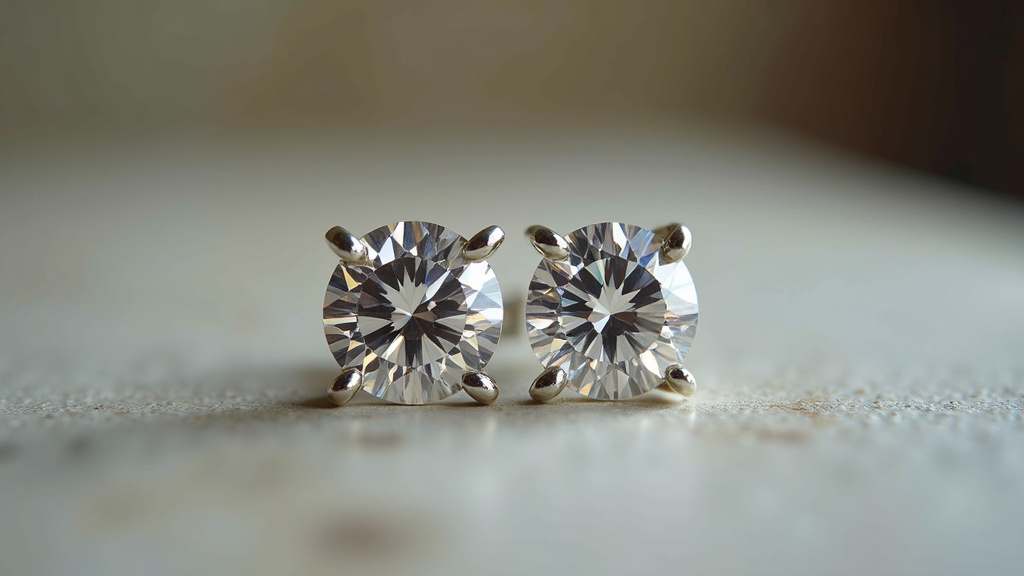
At a glanceLab-grown diamonds are created in a lab using advanced technology to mimic the natural process that forms real diamonds. They have the same physical and chemical properties as earth-mined diamonds, making them equally durable and beautiful. This process helps reduce the environmental impact and ethical concerns associated with traditional diamond mining.
Key Takeaways
- Lab-grown diamonds offer a sustainable and ethical alternative to traditional mining, reducing environmental impact and human rights concerns.
- The process involves advanced technology to mimic nature, resulting in diamonds with identical physical and chemical properties to their mined counterparts.
- Growing diamonds in a lab can be significantly faster and more cost-effective than traditional mining methods.
- Increased availability of lab-grown diamonds could drive down prices, making them more accessible to a wider consumer base.
- Lab-grown diamonds face challenges in gaining consumer trust and market acceptance due to misconceptions and the prevalence of traditional mined diamonds.
- As regulations and awareness evolve, lab-grown diamonds have the potential to transform the global diamond industry and shape consumer choices.
In recent years, the global jewelry industry has undergone a significant transformation with the advent of lab-grown diamonds. This innovative technology offers an alternative to traditionally mined diamonds, addressing concerns surrounding environmental impact, ethical sourcing, and sustainability. However, with a rapidly growing market and varied quality standards, consumers and industry professionals alike face challenges in discerning genuine lab-grown diamonds from their synthetic counterparts. This article delves into the intricacies of lab-grown diamonds, providing an authoritative guide to their science, applications, and the critical considerations for consumers seeking this modern gem.
Lab Grown Diamonds in Hoboken: Where to Start
Looking for lab grown diamonds in Hoboken, NJ? lab grown diamond serves the local area and can answer questions specific to Hoboken.
Understanding the Science Behind Lab Grown Diamonds
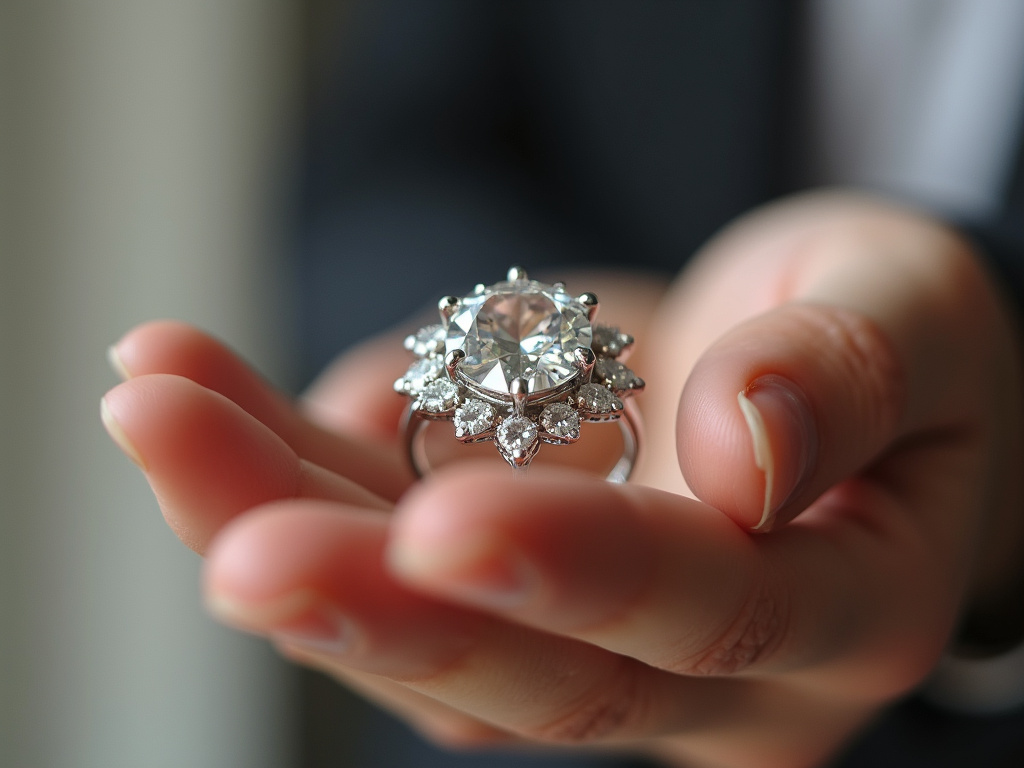
Lab grown diamonds, while a relatively modern phenomenon, are the result of advanced scientific processes that mimic the natural diamond formation found deep within the Earth. This innovative technology has sparked a new era in the diamond industry, offering consumers a sustainable and ethical alternative to traditionally mined diamonds. The science behind lab grown diamonds involves a meticulous process of crystal growth under carefully controlled conditions. These conditions replicate the high pressure and temperature environments typically found in volcanic rocks, where diamonds naturally form over millions of years.
In Hoboken, the process of creating lab grown diamonds typically takes 1-3 weeks, depending on the desired quality and size. This efficient timeline is a testament to the advanced technology employed in these facilities. The process starts with a seed, often a small fragment of a natural diamond or a synthetic material. This seed is placed in a specialized chamber where extreme pressure and temperature are precisely controlled. Over time, carbon atoms arrange themselves around the seed, layer by layer, ultimately forming a diamond crystal. This method allows for precise control over the diamond’s characteristics, ensuring consistency and quality.
Choosing lab grown diamonds requires an understanding of their unique qualities. Unlike their natural counterparts, lab grown diamonds have identical physical and chemical properties, including hardness, brilliance, and optical properties. However, minor variations in composition and crystal structure can exist, which are often invisible to the naked eye. When considering a purchase, it’s essential to seek certification from reputable labs to ensure authenticity and quality. This certification provides a level of assurance, confirming that the diamond meets the strictest standards and is, in fact, a true lab grown diamond.
The Environmental Impact and Ethical Considerations
The environmental and ethical considerations surrounding lab-grown diamonds are a critical aspect often overlooked by consumers. While these synthetic gems offer a compelling alternative to their naturally mined counterparts, the production process is not without its own set of challenges and implications. In Hoboken, for instance, where the demand for lab-grown diamonds is growing, understanding these factors is essential for making informed choices.
Compared to traditional diamond mining, lab-grown diamonds significantly reduce environmental impact. The mining industry is notorious for its high energy consumption, water usage, and contribution to climate change. In contrast, lab-grown diamonds are created in controlled environments, utilizing advanced technology to mimic the natural diamond formation process. This results in a substantial decrease in greenhouse gas emissions and water pollution. For example, a study by the Gemological Institute of America (GIA) found that lab-grown diamonds can reduce water usage by up to 98% and energy consumption by approximately 50% compared to mined diamonds.
However, the ethical considerations don’t end there. One of the primary concerns with lab-grown diamonds is the potential for human rights abuses and conflict in the supply chain. To qualify for lab-grown diamonds in Hoboken, consumers should ensure the gemstones are sourced responsibly. Reputable jewelers can provide certification and documentation to verify the ethical origin of their diamonds. This includes understanding the manufacturing process and ensuring fair labor practices throughout. For instance, some lab-grown diamond producers have been criticized for using conflicts stones or failing to disclose their full supply chain, highlighting the importance of transparency and accountability.
In conclusion, while lab-grown diamonds offer a more sustainable and ethical alternative, what to expect from these gems and how long they take to produce in Hoboken are important factors to consider. Consumers should be proactive in asking questions and seeking assurances regarding the environmental and ethical aspects. By doing so, they can contribute to a more responsible and transparent diamond industry.
| Factor | What to know |
|---|---|
| Production time | 1-3 weeks depending on size and quality |
| Water usage | Reduces water usage by up to 98% |
| Energy consumption | Cuts energy use by about 50% |
| Physical properties | Identical hardness, brilliance, optical properties to mined diamonds |
| Certification | Seek reputable lab certification to confirm authenticity |
| Ethical sourcing | Verify supply chain to avoid conflict stones |
Market Trends and Future Prospects for Lab-Grown Diamonds
The market for lab-grown diamonds is experiencing a significant shift, driven by evolving consumer preferences, advancements in technology, and a growing awareness of the environmental and ethical implications of traditional diamond mining. As consumers become increasingly conscious of the sustainability of their purchases, lab-grown diamonds are poised to become a significant alternative to earth-mined stones. What to expect from lab-grown diamonds in the future includes a wider range of cuts, colors, and clarities, mirroring the diversity of natural diamonds. This advancement will cater to a broader spectrum of consumer tastes and budgets.
In terms of pricing, a 1 carat lab-grown diamond should cost significantly less than its natural counterpart, often at a 30-50% discount. This price advantage is a result of the reduced environmental and labor costs associated with lab-grown diamond production. However, the perceived value of a diamond extends beyond its monetary price, and factors like rarity, color, and clarity still play a role in determining its overall worth. As the market matures, pricing strategies may become more nuanced, reflecting the unique attributes of each diamond.
Despite their numerous advantages, lab-grown diamonds do have a few drawbacks. One significant concern is the potential for misrepresentation, as some retailers may attempt to pass off lab-grown diamonds as natural ones. It is crucial for consumers to verify the authenticity and source of their diamonds. Additionally, while lab-grown diamonds are more sustainable, they do not carry the same aura of rarity as their naturally mined counterparts, which may deter some buyers. Nevertheless, as technology continues to advance and consumer awareness grows, the market for lab-grown diamonds is expected to expand, offering consumers an increasingly viable and ethical option.
Frequently Asked Questions About Lab Grown Diamonds
What are lab-grown diamonds?
Lab-grown diamonds are created in a controlled laboratory environment using advanced technology that mimics the natural process of diamond formation. This method involves subjecting carbon to high pressure and temperature, similar to the conditions found deep within the Earth, resulting in the creation of real, gem-quality diamonds.
How are lab-grown diamonds different from naturally-mined diamonds?
The primary distinction lies in their origin. Naturally-mined diamonds are formed over billions of years through geological processes, involving intense heat and pressure deep within the Earth’s mantle. In contrast, lab-grown diamonds are man-made, created in a matter of weeks or months, offering a more sustainable and ethical alternative to traditional mining.
Are lab-grown diamonds less valuable than naturally-mined diamonds?
The value of a diamond is not solely determined by its origin. Both lab-grown and naturally-mined diamonds are assessed based on the same four Cs: cut, clarity, color, and carat weight. When these factors are equal, lab-grown diamonds can offer a more affordable option without compromising quality or beauty.
Are lab-grown diamonds safe to wear?
Absolutely. Lab-grown diamonds are just as hard and durable as their naturally-mined counterparts, making them suitable for everyday wear. They are free from the impurities and contaminants often found in mined diamonds, ensuring they remain pristine and safe for prolonged use.
What are the environmental benefits of lab-grown diamonds?
Lab-grown diamonds significantly reduce the environmental impact associated with traditional diamond mining. Mining activities often result in habitat destruction, water pollution, and human rights concerns. By eliminating the need for mining, lab-grown diamonds contribute to a more sustainable and ethical practice, preserving natural resources and ecosystems.
How do I know if a diamond is lab-grown?
Many countries require lab-grown diamonds to be clearly labeled or certified. Reputable jewelers will provide certification or documentation to ensure transparency. Additionally, certain physical characteristics, such as a unique crystal structure, can help identify lab-grown diamonds, but expert examination is often necessary for accurate confirmation.
Lab-grown diamonds, a cutting-edge development in the gem industry, offer a compelling alternative to traditionally mined diamonds. Understanding the science behind their creation, as outlined in this article, reveals a meticulous process mirroring nature’s design. The environmental and ethical benefits are significant, with reduced ecological impact and ethical sourcing, addressing concerns traditionally associated with diamond mining. Market trends indicate a growing consumer preference for lab-grown diamonds, driven by heightened environmental awareness and ethical considerations. As the industry continues to evolve, these synthetic gems are poised to revolutionize the diamond market, providing an eco-friendly, ethical, and economically viable option for consumers worldwide. By embracing lab-grown diamonds, we can enjoy the beauty and durability of these remarkable stones while promoting sustainability and ethical practices.
W. Kodak Jewelers
60 Newark St., Hoboken, NJ 07030
(201) 710-5490
Website: wkodakjewelers.com
View W. Kodak Jewelers on Google Maps
How to get to W. Kodak Jewelers from W Hoboken
Starting near W Hoboken? W. Kodak Jewelers is a short drive away. Head out on River St and you'll find us on Newark St. at 60 Newark St., Hoboken, NJ 07030. Use the map below for turn-by-turn directions.