Key Takeaways
- Lab-grown diamonds offer a sustainable alternative to traditional mining, reducing environmental impact and ethical concerns.
- These diamonds have the same physical and chemical properties as naturally mined diamonds, making them indistinguishable to the naked eye.
- The process of creating lab diamonds is more energy-efficient, using up to 90% less energy than traditional mining.
- The market for lab-grown diamonds is projected to grow significantly, with increasing consumer demand for ethical and sustainable jewelry.
- Lab diamonds are often more affordable than their natural counterparts, making them a cost-effective choice for consumers.
- Leading jewelers and retailers are embracing lab-grown diamonds, signaling a shift in consumer preferences towards ethical and sustainable practices.
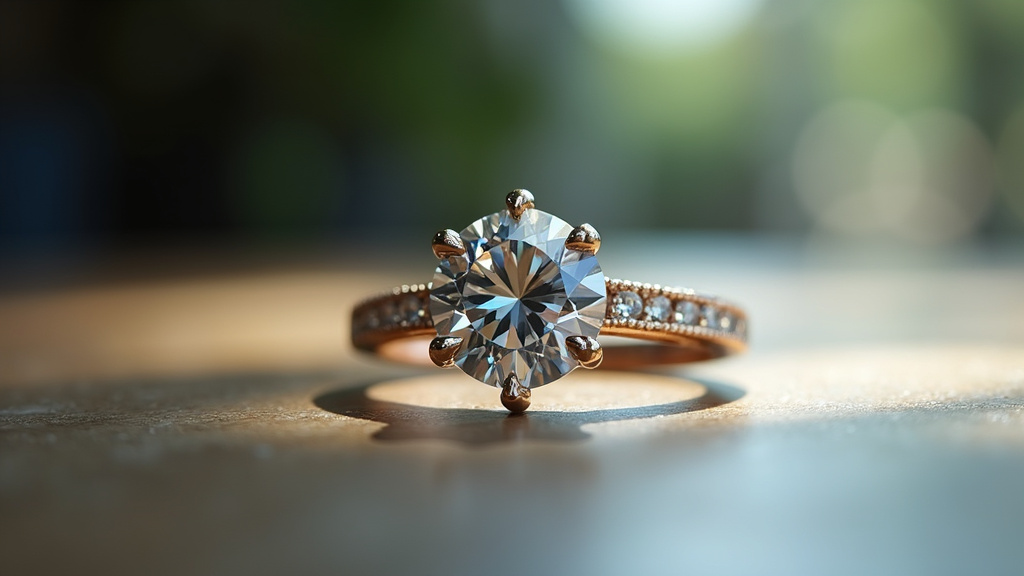
At a glanceLab-grown diamonds are real diamonds created in a lab rather than mined from the earth. They have the same physical and chemical properties as naturally occurring diamonds, making them equally hard, sparkly, and durable. This eco-friendly alternative supports ethical practices and offers a more affordable option for jewelry.
In recent years, the rise of lab-grown diamonds has significantly shifted the gem industry. As consumers increasingly seek sustainable and ethical alternatives to traditionally mined diamonds, lab-grown diamonds offer a compelling solution. However, the newness of this technology introduces complexities, from consumer perception to industry regulation. This article delves into the world of lab-grown diamonds, exploring their scientific basis, environmental and ethical benefits, and the evolving market landscape. By providing a comprehensive overview, we aim to guide readers through this transformative phase, empowering informed decisions in the dynamic realm of lab-grown diamonds.
Lab Grown Diamonds in Hoboken: Where to Start
Looking for lab grown diamonds in Hoboken, NJ? lab grown diamonds at W. Kodak Jewelers serves the local area and can answer questions specific to Hoboken.
Understanding the Science Behind Lab Grown Diamonds
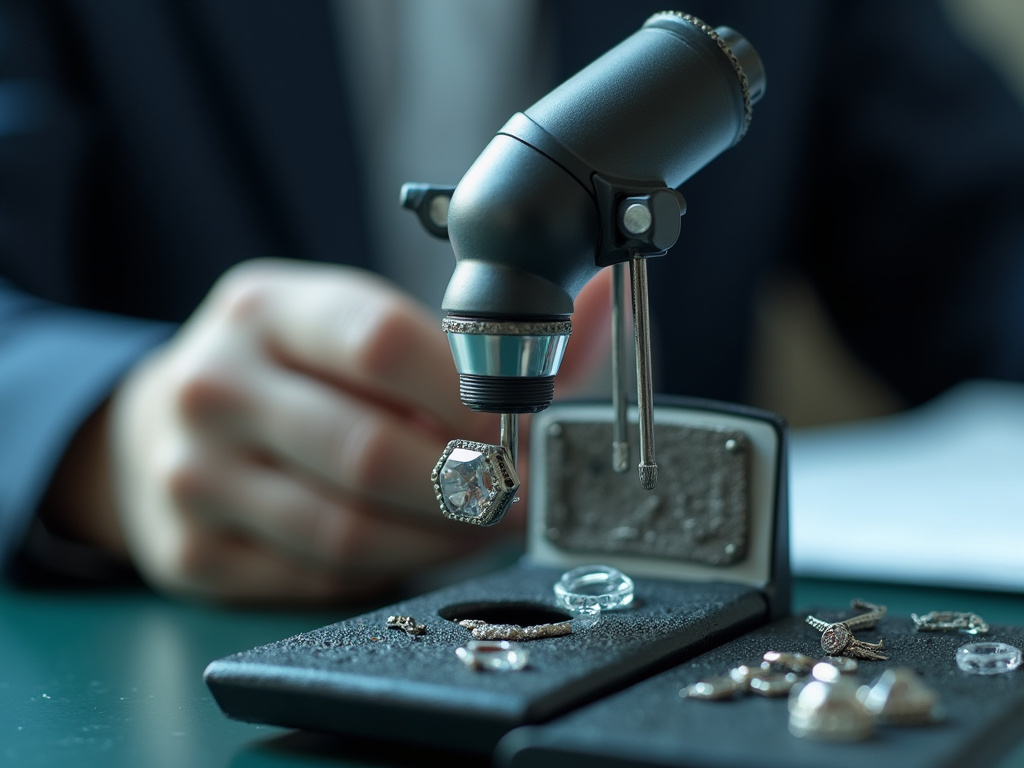
Lab grown diamonds are a relatively new and innovative option in the diamond market, revolutionizing the way we think about these precious stones. Understanding the science behind lab grown diamonds is crucial, as it offers a unique perspective on their creation and value. These diamonds are cultivated in a controlled environment, mimicking the natural process of diamond formation deep within the Earth. Through advanced technology, scientists are able to recreate the intense heat and pressure that transforms carbon into the sparkling gems we know and love.
The process begins with a small seed of diamond, which is then exposed to high-pressure high-temperature (HPHT) conditions or chemical vapor deposition (CVD). In HPHT, a pressurized chamber is heated to extreme temperatures, causing a carbon source, often graphite, to transform into diamond. CVD, on the other hand, involves a chemical reaction where carbon-rich gases are deposited onto a substrate, forming diamond crystals. Both methods require precise control and expertise, ensuring the growth of high-quality lab grown diamonds. One key advantage is the ability to create diamonds with consistent purity and clarity, which can be challenging to achieve in nature.
Now, addressing the cost and quality of lab grown diamonds, it’s important to note that they are generally more affordable than their naturally mined counterparts. This is primarily due to the reduction in mining and extraction costs. However, pricing can vary widely depending on factors like size, color, and clarity. Leading jewelers like Blue Nile and James Allen have made lab grown diamonds mainstream, offering a wide range of options at various price points. When considering whether you actually need lab grown diamonds, think about their unique appeal and the ethical implications. Many folks appreciate the environmental and social benefits, ensuring a responsible choice without compromising on beauty and quality.
Environmental and Ethical Benefits of Lab-Grown Diamonds
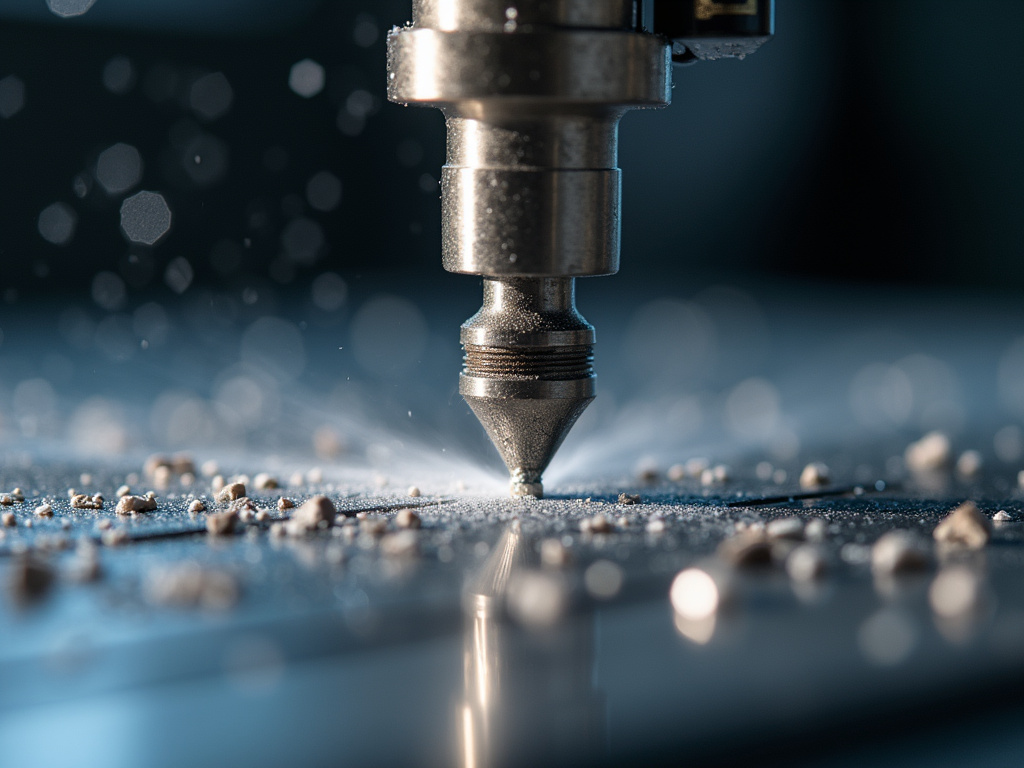
Lab-grown diamonds offer a compelling alternative to traditionally mined diamonds, with significant environmental and ethical advantages. By creating diamonds in a controlled laboratory setting, these synthetic gems eliminate the ecological impact associated with mining, reducing water usage, minimizing the risk of land degradation, and avoiding the release of harmful chemicals. This sustainable approach aligns with the growing global demand for ethical and eco-conscious practices, ensuring a cleaner, greener future.
One of the most significant benefits is the potential for cost savings. While the price of lab-grown diamonds can vary, they generally cost less than their natural counterparts. For instance, a 1-carat lab-grown diamond can be obtained for approximately half the price of a similar quality, naturally-mined diamond. This affordability makes lab-grown diamonds an attractive option for consumers seeking high-quality gems without the premium price tag. When considering the purchase of a lab-grown diamond, it’s essential to ask about the specific supplier’s pricing structure, any certifications, and the origin of the raw materials to ensure transparency and value.
Moreover, choosing lab-grown diamonds can empower consumers to support responsible business practices. Reputable diamond manufacturers adhere to strict ethical standards, guaranteeing fair labor conditions and avoiding any involvement in conflict zones. By hiring or purchasing from such providers, individuals contribute to a sustainable and ethical industry. Before acquiring a lab-grown diamond, it’s wise to inquire about the company’s sourcing, manufacturing processes, and any independent certifications, such as the Kimberley Process, to ensure the diamond’s origin and ethical production. This proactive approach allows consumers to make informed decisions, supporting a responsible and transparent market.
| Factor | What to know |
|---|---|
| Energy use | Up to 90% less energy than mining |
| Creation methods | HPHT or CVD processes simulate natural formation |
| Cost savings | 1-carat costs about half of natural diamond |
| Physical properties | Same hardness, sparkle, and durability as mined diamonds |
| Ethical sourcing | Check certifications like the Kimberley Process |
| Market growth | Demand rising for ethical, sustainable jewelry options |
Exploring the Market and Future of Lab-Grown Diamonds
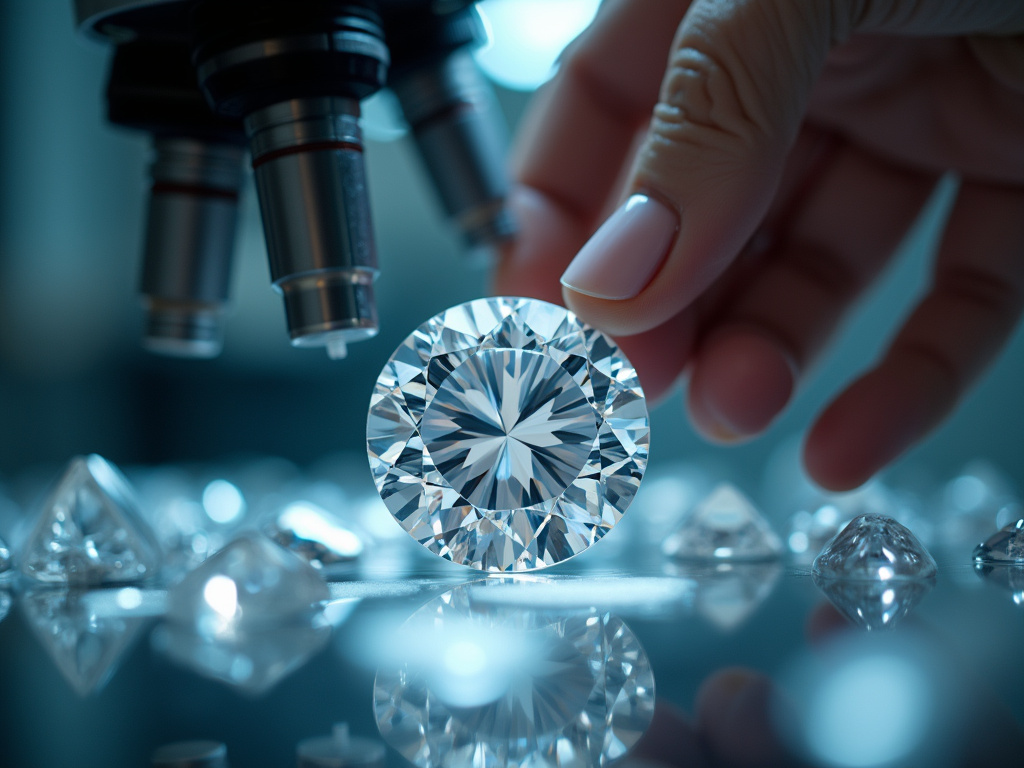
The market for lab-grown diamonds is experiencing a significant surge, reshaping the jewelry industry and offering consumers an ethical alternative to traditionally mined diamonds. This rapid growth is not just a trend but a disruptive force that promises to redefine the future of the diamond trade. In recent years, the question no longer revolves around whether lab-grown diamonds are a viable option, but rather, how they will shape the industry’s landscape.
At the heart of this revolution lies the recognition that lab-grown diamonds, created through advanced technological processes, offer an environmentally friendly and ethically sound solution. The process involves simulating the natural conditions under which diamonds form, allowing for the creation of identical physical and chemical structures to their mined counterparts. This method eliminates the need for underground mining, reducing the environmental impact and associated human rights concerns. For consumers, lab-grown diamonds present an opportunity to acquire a prized gemstone without contributing to the ecological and social challenges inherent in traditional diamond mining.
In terms of cost, lab-grown diamonds have made significant strides in becoming more accessible. While the initial price point might be slightly higher than certain grades of mined diamonds, the gap is rapidly closing. For instance, a 1-carat lab-grown diamond of excellent quality can range from 1-3 times the cost of a similar mined diamond, making it a competitive option. This affordability is crucial for the market’s growth, as it enables a broader range of consumers to consider lab-grown diamonds without compromising on quality or ethical considerations. As the industry matures, further innovation and scale are expected to drive costs down, making lab-grown diamonds an increasingly attractive choice.
The process of creating lab-grown diamonds in Hoboken, or anywhere else, involves advanced technology and meticulous precision. It starts with the placement of a small seed of diamond material into a specialized container, where it is subjected to high pressure and temperature conditions. Over weeks or months, this process replicates the natural diamond formation, resulting in a polished diamond of exceptional clarity and beauty. This innovative approach not only ensures the ethical sourcing of diamonds but also offers consumers the opportunity to customize cuts, shapes, and sizes according to their preferences. As the lab-grown diamond market continues to evolve, the variety and accessibility of these stones are set to increase, further solidifying their place in the future of the jewelry industry.
Frequently Asked Questions About Lab Grown Diamonds
What are lab-grown diamonds?
Lab-grown diamonds, also known as cultivated or synthetic diamonds, are created in a controlled laboratory environment rather than mined from the earth. Using advanced technology, these diamonds are grown from a small seed crystal, mimicking the natural diamond formation process. This method allows for precise control over the diamond’s characteristics, ensuring consistent quality, purity, and a sustainable source.
How do lab-grown diamonds compare to naturally mined diamonds?
Lab-grown diamonds and naturally mined diamonds share nearly identical physical and chemical properties, including hardness, brilliance, and optical properties. The main distinction lies in their origin. Mined diamonds have an inherent rarity and historical significance, while lab-grown diamonds offer a more sustainable and ethical alternative, free from the environmental impact and human rights concerns associated with traditional mining.
Are lab-grown diamonds less expensive than natural diamonds?
The pricing of diamonds, both lab-grown and naturally mined, is influenced by various factors, including size, clarity, color, and cut. Generally, lab-grown diamonds are more affordable than their natural counterparts, offering a significant cost savings, especially for larger or high-quality stones. This affordability makes them an attractive choice for consumers seeking a premium gemstone without the premium price tag.
Are lab-grown diamonds environmentally friendly?
Yes, lab-grown diamonds are considered an environmentally friendly choice. Traditional diamond mining is associated with significant environmental impacts, including habitat destruction, water pollution, and energy consumption. In contrast, the lab-growing process is highly controlled and reduces the need for extensive resource extraction, minimizing the ecological footprint.
Can lab-grown diamonds be identified from natural diamonds?
While lab-grown diamonds are virtually indistinguishable from natural diamonds to the naked eye, certain methods can reveal their origin. Laboratory analysis, such as diamond testing or spectroscopy, is the most reliable way to determine if a diamond is lab-grown. These tests examine the internal structure, crystal growth patterns, and other microscopic characteristics unique to synthetic diamonds.
Are lab-grown diamonds ethically sourced?
Lab-grown diamonds are ethically sourced by design. Unlike mined diamonds, their production does not involve child labor, human rights abuses, or conflicts. The controlled nature of the lab-growing process allows for transparent supply chains, ensuring ethical practices throughout the manufacturing process. This makes lab-grown diamonds an appealing choice for consumers conscious of social and ethical issues in the gem industry.
How long does it take to grow a lab diamond?
The growth process of lab-grown diamonds varies depending on the method used. Traditional chemical vapor deposition (CVD) methods can take several weeks, while more advanced techniques like high-pressure high-temperature (HPHT) methods may only require a few days. Regardless of the method, the precise timing is carefully monitored to ensure optimal diamond growth and quality.
Lab-grown diamonds represent a significant advancement in the jewelry industry, combining scientific innovation with environmental and ethical considerations. Understanding the science behind their creation reveals a meticulous process mirroring nature’s, yet accelerated. The environmental and ethical benefits are profound, reducing the ecological footprint and eliminating the social and economic implications linked to traditional diamond mining. As the market continues to grow, consumers are presented with an increasingly accessible and responsible choice. Embracing lab-grown diamonds not only ensures a sustainable future for the industry but also empowers individuals to make informed, ethical decisions, fostering a responsible and dynamic marketplace.
W. Kodak Jewelers
60 Newark St., Hoboken, NJ 07030
(201) 710-5490
Website: wkodakjewelers.com
View W. Kodak Jewelers on Google Maps
How to get to W. Kodak Jewelers from Hoboken High School
Coming from Hoboken High School? W. Kodak Jewelers is close by. Head out on Clinton St and you’ll find us on Newark St. at 60 Newark St., Hoboken, NJ 07030. Use the map below for turn-by-turn directions.