Key Takeaways
- Lab-grown diamonds offer a sustainable and ethical alternative to traditionally mined diamonds, reducing environmental impact and human rights concerns.
- The process involves advanced technology mimicking nature, resulting in identical chemical and physical properties to natural diamonds.
- Growing diamonds in labs can significantly reduce costs compared to traditional mining, making them more accessible and affordable.
- Increased availability of lab-grown diamonds challenges the exclusivity and value associated with rare natural gemstones.
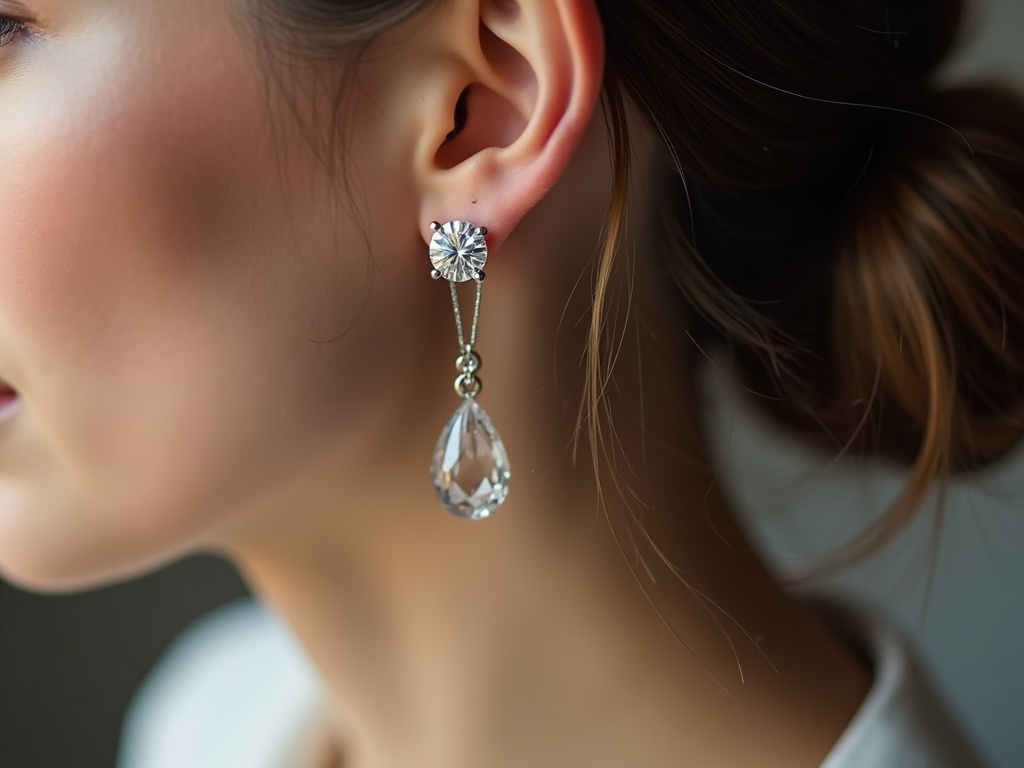
- This technology paves the way for innovation in jewelry design, allowing for unique and sustainable pieces without compromising quality or beauty.
- With growing consumer awareness of ethical sourcing, lab-grown diamonds are gaining popularity among environmentally and socially conscious buyers.
- The future of the diamond industry may see a shift towards lab-grown as consumers demand more transparency and sustainability in their purchases.
At a glanceLab-grown diamonds are real diamonds created in a lab rather than mined from the earth. They have the same physical and chemical properties as naturally occurring diamonds, meaning they’re equally hard, sparkling, and durable. This process reduces environmental impact and offers an ethical alternative to traditional diamond mining.
In the realm of gemology and luxury, Lab Grown Diamonds have emerged as a revolutionary force, challenging traditional mining practices. As the global demand for diamonds continues to rise, the impact on the environment and ethical considerations have prompted a search for sustainable alternatives. Lab Grown Diamonds offer a promising solution, providing an eco-friendly and conflict-free option that mirrors the quality and beauty of their naturally-mined counterparts. This article delves into the science behind these synthetic gems, exploring their creation, benefits, and the growing acceptance they have garnered within the industry.
Lab Grown Diamonds in Hoboken: Where to Start
Looking for lab grown diamonds in Hoboken, NJ? lab grown diamonds in Hoboken, NJ serves the local area and can answer questions specific to Hoboken.
Unveiling Lab Grown Diamonds: The Process Demystified
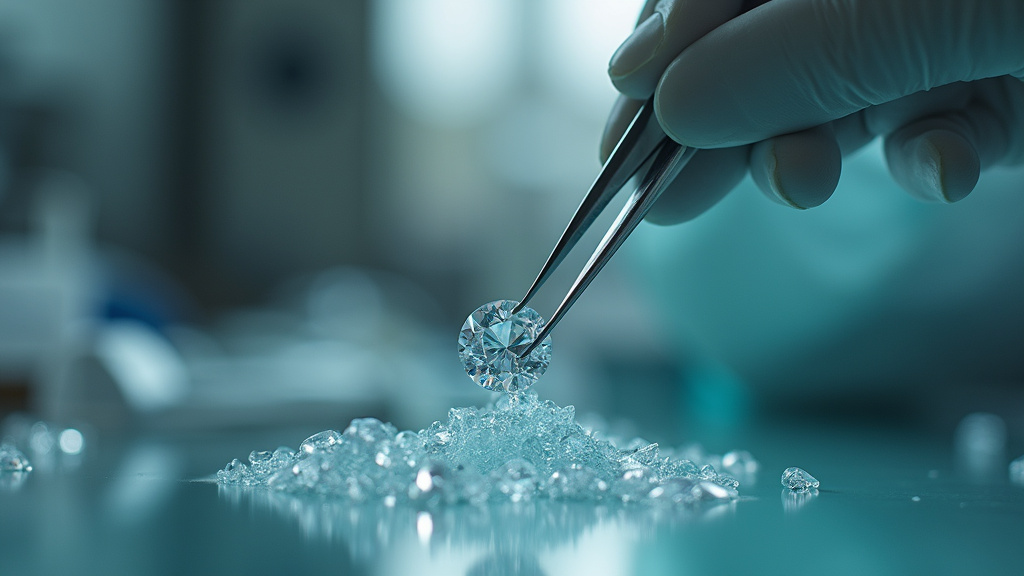
Lab grown diamonds have emerged as a significant alternative to traditionally mined stones, offering a sustainable and ethical choice for consumers. The process behind these manmade marvels involves advanced technology and meticulous craftsmanship, ultimately replicating the conditions that form natural diamonds deep within the Earth. While the concept may seem straightforward, the journey from raw materials to polished gems is a complex one, filled with intricate steps and precise calculations.
The creation of lab grown diamonds begins with the selection of a suitable starting material, typically carbon or a combination of gases. This material is then placed in a high-pressure, high-temperature (HPHT) environment, mimicking the extreme conditions found in diamond mines. Through advanced heating and pressure processes, the carbon atoms rearrange themselves, forming the characteristic crystal structure of diamonds. One of the most common methods employs chemical vapor deposition (CVD), where methane gas is introduced into a chamber, broken down by plasma, and deposited onto a substrate, layer by layer, building the diamond crystal.
The time and cost associated with lab grown diamonds vary significantly depending on the method used and the desired quality. While traditional mining can take millions of years, HPHT methods can produce diamonds in a matter of weeks. According to industry reports, the average cost for a one-carat lab grown diamond is approximately 50% lower than its mined counterpart, making them an attractive option for budget-conscious consumers. However, high-quality stones or unique cuts might command premium prices, similar to their natural counterparts. For instance, a recent study showed that CVD diamonds, on average, cost around $2,500 per carat, while HPHT diamonds can range from $1,500 to $3,000 per carat, depending on size and clarity. In Hoboken, New Jersey, for example, a local jewelry store offers lab grown diamonds at competitive prices, starting from $1,800 per carat, making them accessible to a wider range of customers.
Despite their numerous advantages, lab grown diamonds do have some drawbacks. One notable concern is the potential for misperception and consumer confusion due to the relatively newness of the technology. Additionally, while environmentally friendly in terms of reducing the need for destructive mining practices, there are debates regarding the energy consumption and waste generated during the HPHT process. Furthermore, some critics argue that the availability of lab grown diamonds could potentially devalue natural diamonds, impacting the gem’s market value over time. Nonetheless, as technology advances and consumer awareness grows, lab grown diamonds are poised to play a significant role in shaping the future of the jewelry industry, offering consumers an ethical choice without compromising on beauty or quality.
Benefits and Applications of Lab-Grown Diamond Technology
Lab-grown diamonds have emerged as a significant development in the gem industry, offering a sustainable and ethical alternative to traditionally mined diamonds. This innovative technology has gained traction due to its ability to replicate the natural process of diamond formation, resulting in stones that are virtually indistinguishable from their earth-mined counterparts. When considering the benefits and applications of lab-grown diamond technology, several key advantages become evident.
One of the primary advantages lies in environmental sustainability. Traditional diamond mining has long been associated with significant environmental impacts, including habitat destruction, water pollution, and energy consumption. Lab-grown diamonds, however, eliminate these concerns. The controlled growth environment in laboratories allows for precise temperature and pressure conditions, ensuring minimal environmental footprint. This not only conserves natural resources but also reduces the carbon footprint associated with diamond production. Moreover, lab-grown diamonds offer a level of transparency and traceability that is unparalleled in the traditional industry, as every step of the process is meticulously monitored and documented.
In terms of quality and value, lab-grown diamonds have much to offer. They are created under highly controlled conditions, ensuring consistent and high-quality results. The process allows for a broader range of cuts, shapes, and colors, providing consumers with more options. Additionally, the pricing of lab-grown diamonds is often more competitive compared to their mined counterparts. For instance, a 1-carat lab-grown diamond can be obtained for approximately half the price of a similarly sized mined diamond, making it a more affordable choice. However, it’s essential to note that the cost can vary widely depending on factors like color, clarity, and cut, similar to traditional diamonds. When considering whether to opt for lab-grown diamonds, buyers should focus on what truly matters to them in terms of aesthetics and ethical considerations, rather than solely relying on cost as the deciding factor.
The applications of lab-grown diamonds span various sectors, from jewelry to industrial uses. In the jewelry industry, they are increasingly sought after by consumers who prioritize ethical sourcing and environmental sustainability. Lab-grown diamonds are also finding their place in the tech sector, where their unique properties, such as exceptional hardness and thermal conductivity, are leveraged in manufacturing advanced materials and electronic components. As the technology continues to evolve, we can expect to see even more innovative applications, further solidifying the role of lab-grown diamonds in shaping various industries.
Sourcing and Sustainability in the World of Lab Grown Diamonds
In the world of luxury and sustainability, lab-grown diamonds have emerged as a game-changer. These man-made gems offer an ethical alternative to traditionally mined diamonds, addressing concerns about environmental impact and human rights issues. Sourcing lab-grown diamonds involves understanding their unique qualities and ensuring they meet the highest standards, especially when considering their growing popularity in the Hoboken market. To qualify for lab-grown diamonds, businesses and consumers alike should look for certification from reputable organizations that guarantee their origin and authenticity.
When it comes to hiring a provider for lab-grown diamonds, several key questions should be at the forefront of your mind. For instance, what is their sourcing process? Reputable suppliers will trace the origins of their materials and provide transparency throughout. Additionally, inquire about the specific methods used in diamond growth, as different technologies can result in varying qualities and characteristics. It’s also crucial to ask about certifications and testing procedures to ensure the diamonds meet industry standards. For instance, a lab-grown diamond might require certification from independent gemological labs to verify its 100% synthetic nature.
The decision to hire a lab-grown diamond provider should be data-driven and informed by specific needs. Consider your budget, desired quality level, and the purpose for which you require the diamonds. For example, if you’re an jewelry designer in Hoboken, you might need high-quality lab-grown diamonds for bespoke pieces, whereas a retailer could source more affordable options to meet diverse customer preferences. Regularly staying updated on industry trends and innovations will also help ensure your choice aligns with both current demands and future sustainability goals.
Frequently Asked Questions About Lab Grown Diamonds
What are lab-grown diamonds?
Lab-grown diamonds, also known as cultivated or synthetic diamonds, are created in a controlled laboratory environment using advanced technological processes. These diamonds are virtually identical to naturally occurring diamonds in terms of chemical composition, physical properties, and optical characteristics. The process involves simulating the high-pressure and high-temperature conditions under which natural diamonds form.
How are lab-grown diamonds different from naturally mined diamonds?
The primary distinction lies in their origin. Naturally mined diamonds are formed over billions of years deep within the Earth’s crust and are extracted through mining. In contrast, lab-grown diamonds are created in a matter of weeks using advanced technology, offering a more sustainable and ethical alternative. They have the same optical and physical properties as natural diamonds but without the environmental impact of mining.
Are lab-grown diamonds less valuable than natural diamonds?
The concept of value is subjective and depends on individual perspectives. Lab-grown diamonds are often considered equally valuable to natural diamonds in terms of quality and beauty. They possess the same rarity, hardness, and brilliance. While natural diamonds may have a historical and traditional allure, lab-grown diamonds offer an accessible and ethical option without compromising on quality.
Are lab-grown diamonds eco-friendly?
Yes, lab-grown diamonds are generally considered more environmentally friendly than traditionally mined diamonds. Mining activities can have significant ecological consequences, including habitat destruction, pollution, and energy consumption. Lab-grown diamonds, however, eliminate the need for mining, reducing these environmental impacts. They require less energy and resources to produce, making them a more sustainable choice.
Can lab-grown diamonds be detected from natural diamonds?
Advanced testing methods, such as diamond testing kits and laboratory analysis, can accurately distinguish between lab-grown and natural diamonds. These tests examine the crystal structure, carbon content, and other microscopic features unique to each type of diamond. Professional gemologists and certified labs employ these methods to ensure proper identification.
Are lab-grown diamonds safe to wear?
Absolutely. Lab-grown diamonds are just as safe to wear as natural diamonds. They are non-radioactive and do not pose any known health risks. In fact, their consistent quality and purity make them a safer choice for jewelry, as they are less likely to contain impurities or defects that could affect durability.
Lab Grown Diamonds represent a significant advancement in the gem industry, offering a sustainable and ethical alternative to traditionally mined diamonds. Through understanding their meticulous growth process, we recognize the immense potential of this technology. The benefits are clear: reduced environmental impact, cost-effectiveness, and enhanced accessibility for consumers. From luxurious jewelry to industrial applications, Lab Grown Diamonds can revolutionize various sectors. Furthermore, their sourcing transparency ensures a conflict-free supply chain, addressing critical ethical concerns. By embracing this innovative approach, businesses and individuals alike can contribute to a more responsible future while enjoying the beauty and durability of diamonds.
W. Kodak Jewelers
60 Newark St., Hoboken, NJ 07030
(201) 710-5490
View W. Kodak Jewelers on Google Maps
How to get to W. Kodak Jewelers from Hudson River Waterfront Walkway
Starting near Hudson River Waterfront Walkway? W. Kodak Jewelers is a short drive away. Head out on Sinatra Dr and you'll find us on Newark St. at 60 Newark St., Hoboken, NJ 07030. Use the map below for turn-by-turn directions.