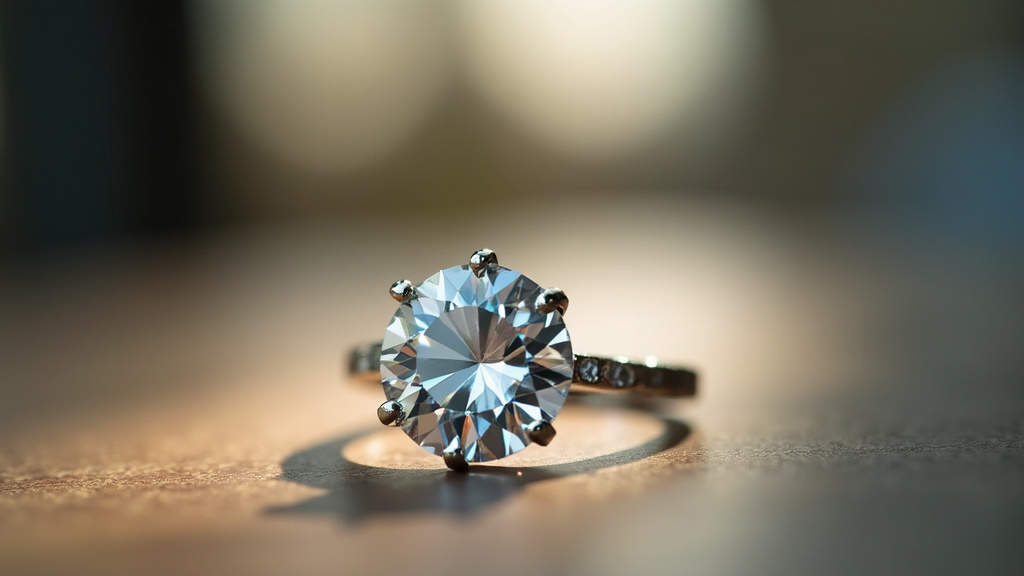
At a glanceLab-grown diamonds are real diamonds created in a lab instead of mined from the earth. They have the same physical and chemical properties as naturally occurring diamonds, meaning they’re equally hard, sparkly, and durable. This process helps reduce environmental impact and offers an ethical alternative to traditional diamond mining.
Key Takeaways
- Lab-grown diamonds offer a sustainable and ethical alternative to mined diamonds, reducing environmental impact and human rights concerns.
- The process involves advanced technology replicating natural conditions, resulting in identical physical and chemical properties to traditional diamonds.
- Growing diamonds in labs allows for better quality control, ensuring consistent purity and clarity grades.
- This technology is revolutionizing the diamond industry, providing consumers with a responsible and transparent option.
- Lab-grown diamonds are increasingly accessible and affordable, challenging the exclusivity of mined diamonds.
- With growing awareness and acceptance, lab-grown diamonds are poised to become a mainstream choice for jewelry and industrial applications.
- Choosing lab-grown diamonds contributes to a more sustainable future, minimizing the environmental degradation associated with traditional diamond mining.
In recent years, the rise of lab-grown diamonds has shaken up the gem industry. As consumers become increasingly conscious of ethical sourcing, these synthetic stones offer a compelling alternative to traditionally mined diamonds. However, the transition to lab-grown diamonds is not without its challenges. Concerns about quality, price, and public perception linger. This article delves into the science, ethics, and future of lab-grown diamonds, providing an authoritative guide for consumers and industry professionals alike. By exploring the latest advancements and dispelling common myths, we aim to enhance understanding and promote informed decisions in this rapidly evolving field.
Lab Grown Diamonds in Hoboken: Where to Start
Looking for lab grown diamonds in Hoboken, NJ? W. Kodak Jewelers lab grown diamonds serves the local area and can answer questions specific to Hoboken.
Understanding Lab Grown Diamonds: A Comprehensive Introduction
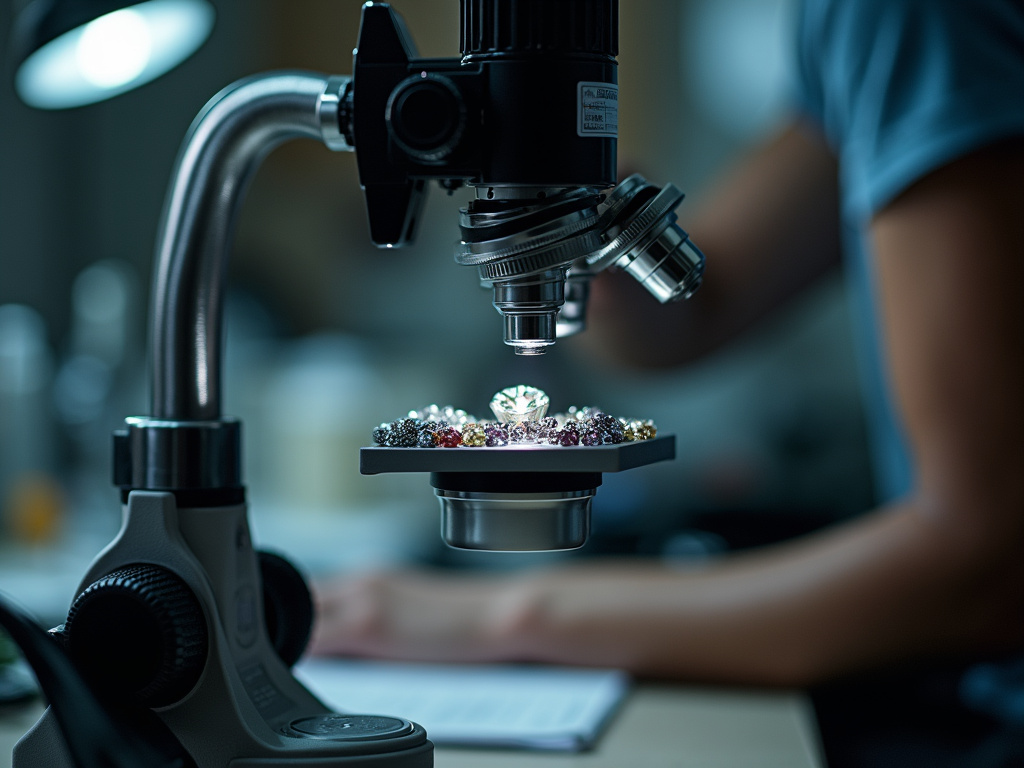
Lab-grown diamonds have emerged as a significant alternative to traditionally mined gems, offering a sustainable and ethical choice for consumers. These synthetic diamonds are created in a lab under controlled conditions that mimic the natural process of diamond formation deep within the Earth. Understanding lab-grown diamonds involves grasping both their scientific creation and their unique advantages in the market.
The process begins with a small seed-like fragment of diamond, which is then placed in a specialized chamber and subjected to high pressure and temperature. Over several weeks, this intense environment stimulates the growth of a diamond crystal, layer by layer. The result is a diamond of identical chemical and physical properties to its natural counterpart, but without the environmental and social impact of traditional mining. The process in Hoboken, or anywhere else, involves meticulous control of these conditions to ensure the consistent quality and purity of each diamond.
When considering what to expect from lab-grown diamonds, it’s essential to understand their price point. While there’s a common misconception that they are significantly cheaper, a 1-carat lab-grown diamond of high quality can cost comparably to a natural diamond of the same size and clarity. The price difference often lies in the unique characteristics and certification of each stone, not necessarily in production costs. For instance, a lab-grown diamond with exceptional color and clarity might command a higher price than a naturally mined stone with slightly less desirable attributes.
Moreover, the lab-grown diamond industry is regulated, and certified stones come with the same guarantees of quality and authenticity as natural diamonds. This assurance is crucial for consumers, as it allows them to make informed decisions, knowing they’re acquiring a genuine, high-quality gemstone. As the market for lab-grown diamonds continues to grow, so does the availability of options and the refinement of production techniques, promising an exciting future for those seeking ethical and sustainable luxury.
The Science Behind Creation: How Lab Diamonds Are Made
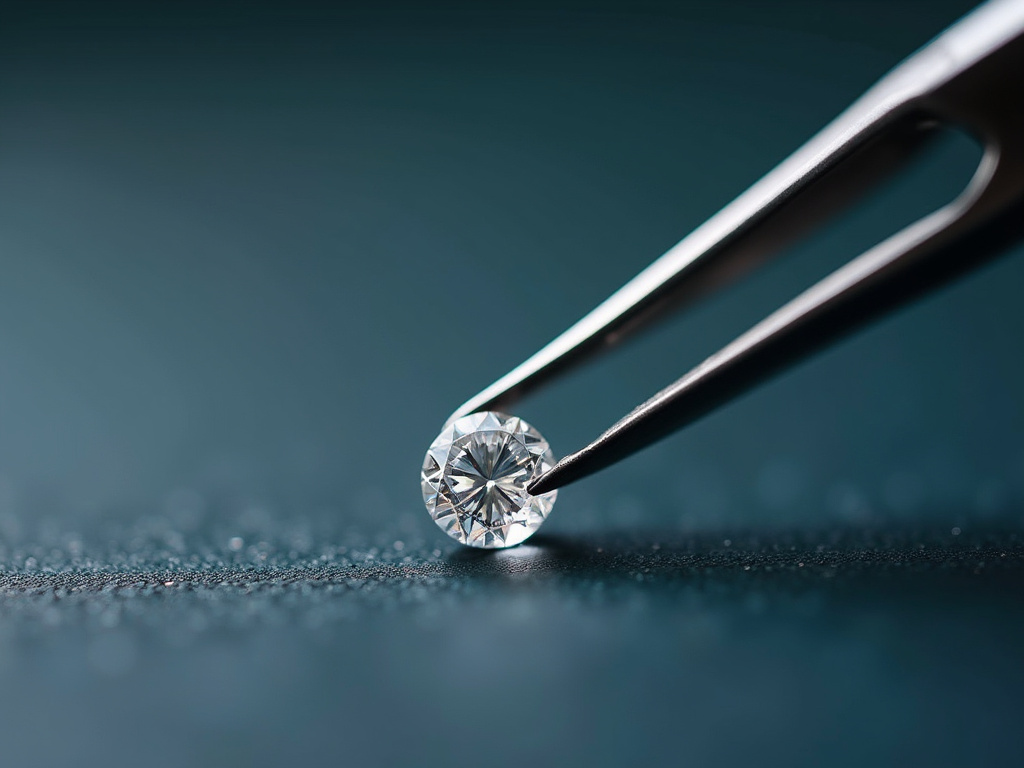
The creation of lab grown diamonds involves a complex scientific process that mimics nature’s formation under extreme pressure and temperature conditions. This method, known as chemical vapor deposition (CVD), has revolutionized the diamond industry by offering an ethical and sustainable alternative to mined diamonds. The process begins by placing a small seed, often a tiny piece of natural diamond or graphite, into a heated chamber filled with a mixture of gases, primarily methane and hydrogen. As these gases are heated to extremely high temperatures—typically above 1400°C—the carbon atoms dissociate and deposit onto the seed, layer by layer, forming a new diamond crystal. This meticulous process can take anywhere from several days to weeks, depending on the desired size and quality of the diamond.
A key advantage of lab grown diamonds is their consistent purity and lack of impurities found in naturally mined diamonds. This uniformity makes them exceptional for precise cutting and polishing, ensuring optimal brilliance and clarity. Moreover, the controlled environment of a lab allows for the creation of unique shapes and sizes not easily attained from mines. However, despite these advantages, there are considerations to keep in mind. Some critics argue that while lab grown diamonds offer environmental benefits by reducing the need for intense mining operations, they may still require significant energy consumption during the growth process. Additionally, establishing trust and authenticity in a rapidly growing market is essential, which has led to various industry standards and certifications to ensure consumers receive genuine lab grown diamonds.
When considering which jeweler offers the best lab grown diamonds, it’s crucial to look beyond claims of "best" and focus on quality, craftsmanship, and ethical practices. Reputable jewelers will provide detailed information about the origin and certification of their lab grown diamonds. For instance, a leading diamond retailer in Hoboken might offer CVD diamonds certified by renowned labs such as the Gemological Institute of America (GIA) or the International Gemological Institute (IGI). These certifications ensure that the diamonds meet specific standards of quality and authenticity. Ultimately, selecting a lab grown diamond involves personal preference, budget, and an understanding of the ethical implications, ensuring you make a choice that resonates with your values and aesthetic preferences.
Benefits and Future: Impact on Industry and Environment
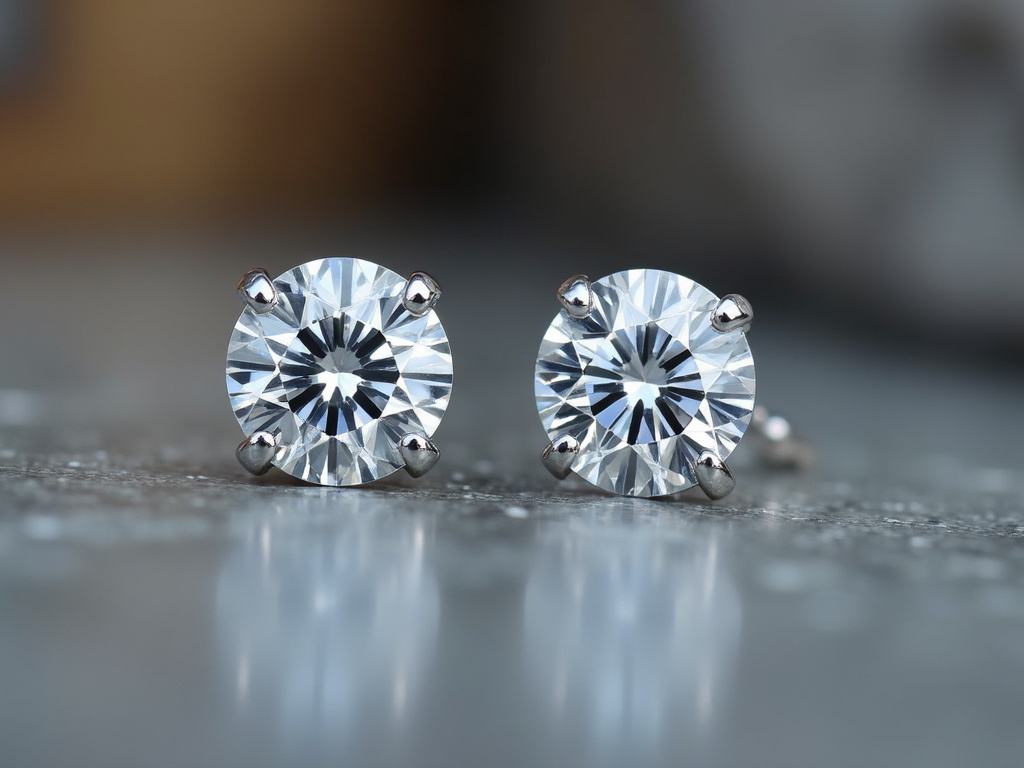
The future of the diamond industry is being reshaped by Lab Grown Diamonds, offering a sustainable and ethical alternative to traditionally mined gems. Beyond the environmental benefits—which include significantly reduced carbon footprint and minimal ecological disruption—Lab Grown Diamonds provide several compelling advantages. One key benefit is consistency in quality and purity, as these diamonds are grown under tightly controlled conditions, ensuring a uniform level of excellence. This uniformity translates into predictability for consumers, allowing them to expect consistent performance and durability from Lab Grown Diamonds.
In terms of cost, it’s essential to understand that the price of a diamond isn’t solely determined by its size but also by factors like color, clarity, and cut. While a 1 carat Lab Grown Diamond can vary in price, it should generally cost less than its naturally mined counterpart. According to recent market data, a high-quality, transparent 1 carat Lab Grown Diamond could range from $2000 to $5000, significantly lower than the average price of a similar natural diamond. This affordability makes Lab Grown Diamonds accessible to a broader market, democratizing luxury and ensuring ethical practices without compromising quality.
When considering whether you actually need Lab Grown Diamonds, it’s helpful to think beyond the financial aspect. For many, the decision comes down to personal values and environmental awareness. If sustainability is a priority, or if you seek a conflict-free gem with verified ethical sourcing, Lab Grown Diamonds are an excellent choice. Moreover, as these diamonds become more prevalent, they challenge societal perceptions of luxury and encourage a shift towards appreciating craftsmanship and quality over traditional notions of rarity driven by mining practices. The future holds immense potential for Lab Grown Diamonds to revolutionize the industry, fostering innovation while minimizing environmental impact.
Frequently Asked Questions About Lab Grown Diamonds
What are lab-grown diamonds?
Lab-grown diamonds, also known as cultivated or synthetic diamonds, are created in a controlled laboratory environment using advanced technology. They are virtually identical to naturally mined diamonds in terms of chemical composition, physical properties, and aesthetic characteristics. This process replicates the natural diamond formation process, but under precise conditions, ensuring a sustainable and ethical alternative to traditional mining.
How are lab-grown diamonds made?
The process begins with a small seed of diamond crystal, which is then placed in a specialized chamber. High pressure and temperature are applied, mimicking the natural conditions deep within the Earth. Over time, carbon atoms arrange themselves around the seed, gradually growing into a diamond. This method allows for precise control over the diamond’s size, shape, and quality, making it a highly efficient and consistent process.
Are lab-grown diamonds real diamonds?
Yes, lab-grown diamonds are considered real diamonds in every sense. They possess the same optical, chemical, and physical properties as naturally mined diamonds. The only distinction is their origin; lab-grown diamonds are created in a controlled setting, whereas natural diamonds form deep within the Earth over billions of years. Gemologists and experts use various methods to differentiate between the two, but to the naked eye, they are indistinguishable.
Do lab-grown diamonds have the same durability as natural diamonds?
Absolutely. Lab-grown diamonds have the same hardness and durability as their natural counterparts. The growing process and the materials used ensure that they maintain the same crystal structure and properties that make natural diamonds renowned for their durability. This makes lab-grown diamonds suitable for all types of jewelry and everyday wear, just like traditional diamonds.
Are lab-grown diamonds more affordable than natural diamonds?
Generally, yes. Due to the controlled nature of their production, lab-grown diamonds often have lower operational costs compared to the complex and resource-intensive process of mining natural diamonds. This cost savings is often passed on to the consumer, making lab-grown diamonds a more budget-friendly option without compromising on quality or aesthetics.
Are there any environmental benefits to lab-grown diamonds?
One of the significant advantages is their positive environmental impact. Traditional diamond mining is associated with significant environmental consequences, including habitat destruction, water pollution, and energy consumption. Lab-grown diamonds, however, eliminate many of these issues. They require less energy, produce fewer carbon emissions, and do not contribute to land degradation, making them a more sustainable choice.
Can lab-grown diamonds be recycled or reused?
Absolutely. Lab-grown diamonds, like their natural counterparts, can be recycled and reused. Since they are created in a controlled environment, they can be easily recovered and remolded into new jewelry or even reused in industrial applications. This aspect contributes to a more circular economy and reduces the need for continuous diamond extraction.
Lab grown diamonds represent a significant advancement in the gem industry, offering both tangible benefits and a promising future. By understanding the science behind their creation, we grasp the precision and innovation involved. These diamonds not only provide an ethical alternative to traditionally mined stones but also boast superior quality and price transparency. The environmental impact of lab-grown diamonds is substantially lower than that of traditional mining, making them an eco-friendly choice. As the technology continues to evolve, these synthetic gems are poised to shape the industry, offering consumers a sustainable and desirable option. Embracing lab grown diamonds is a step towards a more responsible and technologically advanced future in gemology.
W. Kodak Jewelers
60 Newark St., Hoboken, NJ 07030
(201) 710-5490
View W. Kodak Jewelers on Google Maps
How to get to W. Kodak Jewelers from W Hoboken
Starting near W Hoboken? W. Kodak Jewelers is a short drive away. Head out on River St and you’ll find us on Newark St. at 60 Newark St., Hoboken, NJ 07030. Use the map below for turn-by-turn directions.