Key Takeaways
- Lab-grown diamonds offer a sustainable and ethical alternative to traditional mining, reducing environmental impact and human rights concerns.
- The process involves advanced technology mimicking natural diamond formation, resulting in identical chemical and physical properties.
- Growing diamonds in labs allows for precise control over size, shape, and color, enabling custom creation and unique designs.
- Lab-grown diamonds are subject to rigorous testing and certification, ensuring their authenticity and quality comparable to mined diamonds.
- This technology is revolutionizing the jewelry industry, providing consumers with eco-conscious and conflict-free options.
- Increasing availability and decreasing costs make lab-grown diamonds an attractive and accessible choice for consumers.
- As awareness grows, the adoption of lab-grown diamonds is expected to continue rising, reshaping the future of the diamond market.
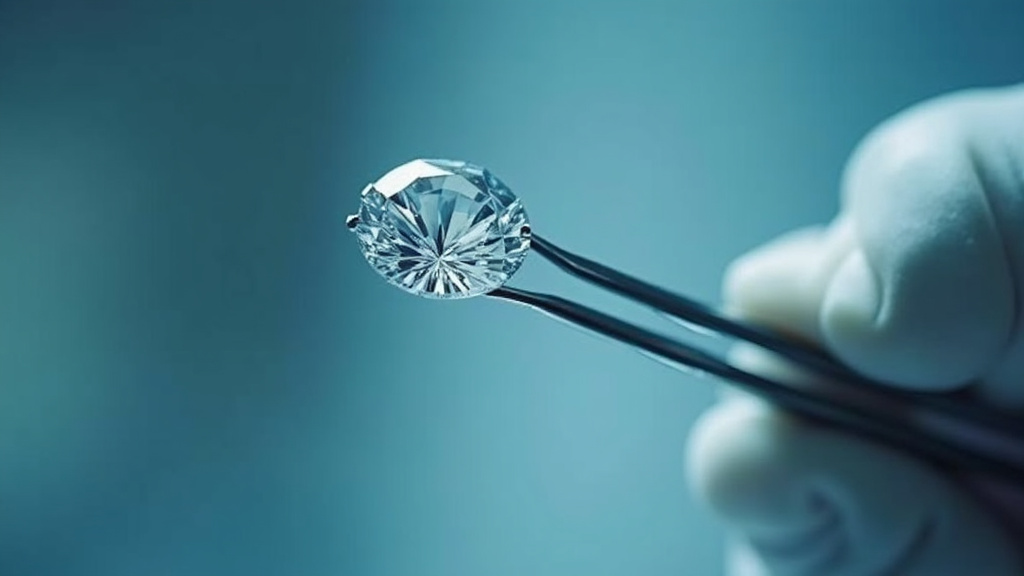
At a glanceLab-grown diamonds are real diamonds created in a lab instead of underground. They have the same chemical and physical properties as naturally formed diamonds. This process is more sustainable and ethical, as it avoids the environmental impact and human rights concerns often associated with traditional diamond mining.
In recent years, the global shift towards sustainable practices has significantly impacted the diamond industry, prompting a closer look at lab-grown diamonds as an ethical alternative to traditionally mined gems. While these synthetic stones have gained traction, many consumers remain unfamiliar with their unique properties and benefits. This article delves into the world of lab-grown diamonds, addressing common misconceptions and providing an in-depth exploration of their growing significance in the market. We will unravel the science behind their creation, compare them to natural diamonds, and discuss the profound impact this technology has on both consumers and the environment.
Understanding the Lab Grown Diamonds Revolution
Lab Grown Diamonds in Hoboken: Where to Start
Looking for lab grown diamonds in Hoboken, NJ? the team at W. Kodak Jewelers serves the local area and can answer questions specific to Hoboken.
The lab-grown diamond revolution is transforming the jewelry industry, challenging traditional notions of rarity and ethical sourcing. These man-made diamonds, created in a controlled environment using cutting-edge technology, offer an intriguing alternative to their natural counterparts. What sets lab-grown diamonds apart isn’t just their origin but also their consistent quality, purity, and ethical production methods.
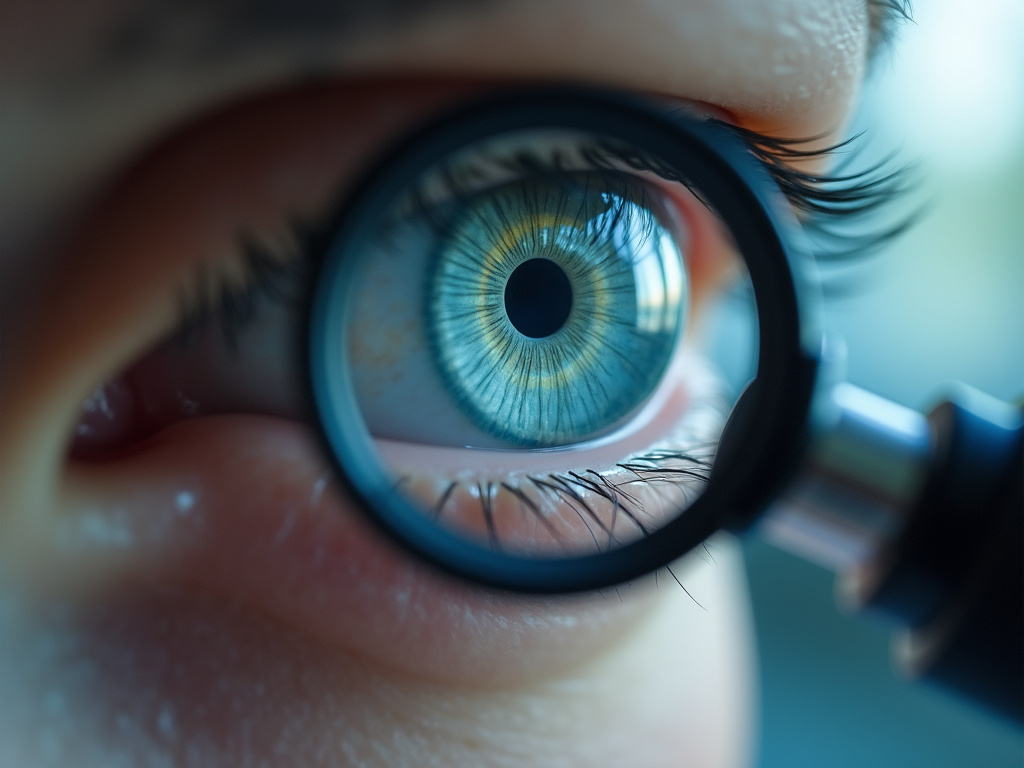
Unlike natural diamonds, which form deep within the Earth over billions of years, lab-grown diamonds replicate these conditions in a laboratory setting. This process involves high-pressure and high-temperature methods to create a diamond crystal structure. The result is a virtually identical physical and chemical composition to naturally occurring diamonds, but with added benefits like consistent quality and ethical production. For instance, a 2019 study by the Gemological Institute of America (GIA) found that lab-grown diamonds and natural diamonds are indistinguishable when evaluated under 10X magnification, confirming their structural and optical equivalence.
As consumers become increasingly conscious of ethical considerations and environmental impacts, lab-grown diamonds present a compelling option. They offer peace of mind by eliminating concerns about conflict minerals and unethical labor practices often associated with traditional diamond mining. Moreover, the sustainability aspect is significant; lab-grown diamonds require significantly less energy and water than their natural counterparts, contributing to a smaller carbon footprint. For those considering investing in lab-grown diamonds in Hoboken or anywhere else, it’s worth noting that while the initial cost might be slightly higher, the long-term value and ethical benefits make them a worthwhile choice. Ultimately, whether you "actually need" lab-grown diamonds depends on your personal values and preferences, but as this technology continues to evolve, its impact on the industry is undeniable, reshaping the future of diamond consumption.
The Science Behind Creating Real Diamonds in Labs
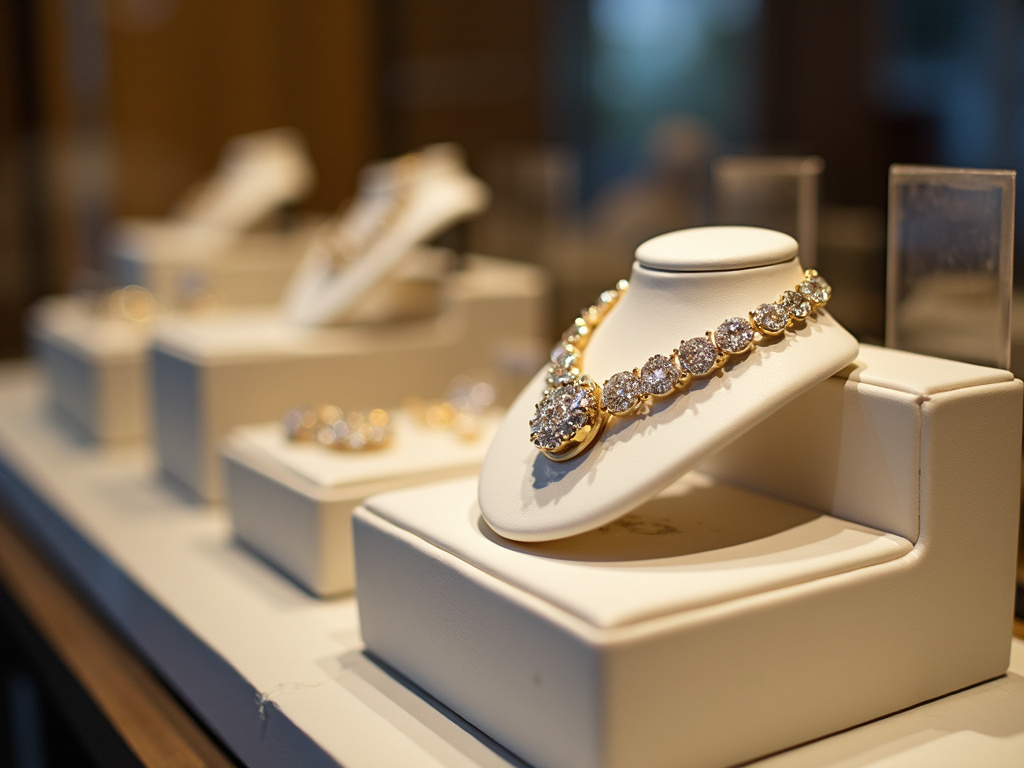
The process of creating lab-grown diamonds involves advanced scientific techniques that mimic the natural conditions under which diamonds form deep within the Earth. This intricate procedure starts with the placement of a small seed crystal, typically made of carbon, into a specialized chamber. Here, a combination of high pressure and temperature is carefully applied, replicating the intense conditions of a diamond’s formation. Over time, through a process known as chemical vapor deposition, carbon atoms slowly deposit onto the seed, layer by layer, eventually growing into a synthetic diamond of remarkable quality and size. This groundbreaking technology has revolutionized the diamond industry, offering an ethical and sustainable alternative to traditional mining.
One of the key advantages of lab-grown diamonds is the level of precision and control exerted over the growth process. Gemologists and scientists can carefully monitor and adjust variables such as pressure, temperature, and carbon source, enabling the creation of diamonds with specific characteristics. This allows for the production of stones with exceptional clarity, color, and cut, often comparable, if not superior, to their natural counterparts. Moreover, lab-grown diamonds have a transparent supply chain, ensuring consumers know exactly where their gemstones originate, fostering trust and ethical consumption.
When considering the purchase of lab-grown diamonds, Hoboken residents and beyond should ask critical questions. Inquire about the growth process, the specific techniques used, and the certifications acquired. Reputable diamond creators will provide detailed information on these aspects, ensuring potential buyers are fully informed. The cost of lab-grown diamonds varies widely based on factors like size, clarity, and color, typically ranging from 10% to 30% less than comparable natural diamonds. Therefore, it’s essential to compare prices, understand the market value, and ensure you’re getting a fair deal, making the choice of lab-grown diamonds both worthy and cost-effective.
| Factor | What to know |
|---|---|
| Ethical/sustainable sourcing | Avoids environmental impact and human rights issues of mining |
| Identical properties | Same chemical/physical makeup; indistinguishable under 10X magnification per 2019 GIA study |
| Creation process | Uses high pressure/temperature or chemical vapor deposition on a seed crystal |
| Customization options | Allows precise control over size, shape, and color |
| Cost savings | Typically 10% to 30% cheaper than comparable natural diamonds |
| Certification required | Rigorous testing and certification confirm authenticity and quality |
Exploring the Market Impact and Future of Lab Grown Diamonds
The market for lab-grown diamonds has experienced significant growth and transformation over the past decade, challenging traditional mineral-origin diamond industries. This shift is driven by a combination of factors, including ethical considerations, environmental concerns, and economic incentives. As consumers become more conscious of the social and ecological impact of their purchases, lab-grown diamonds offer an appealing alternative to mined diamonds, free from conflict and environmentally sustainable practices.
When considering the market impact, it’s crucial to understand that lab-grown diamonds are not merely a passing trend but a rapidly expanding industry with global reach. Recent data suggests that the global lab-grown diamond market size was valued at USD 2.1 billion in 2021 and is projected to grow at a CAGR of 17% from 2022 to 2030. This growth is underpinned by increasing demand from both retail consumers and industrial applications, particularly in the jewelry sector. For instance, leading diamond manufacturers like De Beers and Pandora have embraced lab-grown diamonds, further legitimizing their place in the market.
However, the adoption of lab-grown diamonds is not without its considerations. One common question arises when deciding to purchase: "When should you choose lab-grown diamonds?" The answer lies in personal values and preferences. Lab-grown diamonds are ideal for those seeking conflict-free gems with a lower environmental footprint. Yet, some consumers may prioritize traditional mined diamonds based on historical significance or personal attachment to the process. Understanding these nuances is essential when navigating the diamond market. Additionally, while lab-grown diamonds often command lower prices compared to their natural counterparts, the downside lies in potential misconceptions about quality and authenticity, encouraging buyers to educate themselves thoroughly before purchasing.
To choose the right lab-grown diamond, consumers should focus on factors like clarity, color, cut, and carat weight—similar to traditional diamond assessment. Reputable labs often provide detailed certifications and guarantees, ensuring the product’s quality. As the market continues to evolve, it is essential for buyers to stay informed about emerging trends, new technologies, and industry innovations. By embracing lab-grown diamonds, consumers can make responsible choices while enjoying the beauty and durability of these synthetic gems without compromising their values or the planet’s resources.
Frequently Asked Questions About Lab Grown Diamonds
What are lab-grown diamonds?
Lab-grown diamonds, also known as cultivated or synthetic diamonds, are created in a controlled laboratory environment using advanced technological processes. These diamonds are virtually identical to naturally mined diamonds in terms of chemical composition, physical properties, and optical characteristics. They are grown from a diamond seed under high pressure and temperature conditions, mimicking the natural diamond formation process.
How are lab-grown diamonds different from natural diamonds?
The primary distinction lies in their origin. Natural diamonds are formed deep within the Earth over billions of years, whereas lab-grown diamonds are created in a matter of weeks. Both types have the same atomic structure and consist of pure carbon, but lab-grown diamonds do not undergo the same geological processes as their natural counterparts. This makes lab-grown diamonds a more sustainable and environmentally friendly alternative.
Are lab-grown diamonds less valuable than natural diamonds?
The concept of value is subjective and depends on individual perspectives. In terms of quality and performance, lab-grown diamonds and natural diamonds have identical properties. Many factors influence diamond value, including cut, clarity, color, and carat weight, which are determined by the same standards for both types. However, lab-grown diamonds often offer a more affordable option without compromising on quality, making them a valuable choice for budget-conscious consumers.
Are lab-grown diamonds real diamonds?
Yes, lab-grown diamonds are considered real diamonds in every sense. They possess the same physical, chemical, and optical properties as natural diamonds. The term ‘lab-grown’ simply refers to their origin, emphasizing that they are not mined from the Earth but cultivated in a laboratory. These diamonds are just as durable, shiny, and brilliant as any naturally formed diamond, making them suitable for engagement rings, fine jewelry, and various other applications.
What are the environmental benefits of choosing lab-grown diamonds?
Opting for lab-grown diamonds offers significant environmental advantages. The mining of natural diamonds often has detrimental impacts on ecosystems, communities, and human rights. In contrast, lab-grown diamonds eliminate the need for mining, reducing the risk of environmental degradation and human rights violations associated with the industry. This makes them a more sustainable choice for environmentally conscious consumers.
Are lab-grown diamonds safe to wear?
Absolutely. Lab-grown diamonds are non-toxic and safe for body piercing and wearing in jewelry. They are free from the impurities and contaminants sometimes found in natural diamonds, making them a healthier option. Additionally, their controlled growth environment ensures they are free from radiation exposure and other potential hazards associated with mining and processing natural diamonds.
Can lab-grown diamonds be identified from natural diamonds?
Specialized testing and laboratory analysis are required to distinguish between lab-grown and natural diamonds. These tests examine the diamond’s chemical composition, crystal structure, and growth patterns. Professional gemologists use advanced equipment and techniques to ensure accurate identification, providing peace of mind for consumers.
The rise of lab grown diamonds represents a significant shift in the gem industry, offering both challenges and opportunities. Understanding the science behind their creation—where synthetic diamonds are produced in labs under controlled conditions mimicking nature’s process—is key to grasping this revolution. This technology not only ensures a sustainable supply but also provides an ethical alternative to traditional mining. The market impact is evident, with consumers embracing lab grown diamonds for their quality and responsible sourcing. Looking ahead, the future of these synthetic gems appears bright, potentially reshaping the industry landscape. Key takeaways include the growing consumer preference for ethical and eco-conscious choices, the importance of scientific innovation in gemology, and the significant market potential of lab grown diamonds. For businesses, this means adapting marketing strategies to emphasize sustainability and ethical practices, while investors should consider the long-term viability and growth prospects of this burgeoning sector.
W. Kodak Jewelers
60 Newark St., Hoboken, NJ 07030
(201) 710-5490
View W. Kodak Jewelers on Google Maps
How to get to W. Kodak Jewelers from Trader Joe's
Coming from Trader Joe's? you're only a few minutes from W. Kodak Jewelers. Head out on Willow Ave and you'll find us on Newark St. at 60 Newark St., Hoboken, NJ 07030. Use the map below for turn-by-turn directions.