Key Takeaways
- Lab-grown diamonds offer a sustainable alternative to traditional mining, reducing environmental impact and ethical concerns.
- The process involves advanced technology to mimic natural conditions, resulting in identical chemical and physical properties.
- Growing diamonds in a lab can be up to 30% more cost-effective than mining, making them a financially viable option.
- Increased demand for sustainable gems is driving innovation and growth in the lab-grown diamond industry.
- Lab diamonds are subject to rigorous testing to certify their authenticity and ensure they meet high quality standards.
- With proper marketing and education, lab-grown diamonds can change consumer perceptions and gain wider acceptance.
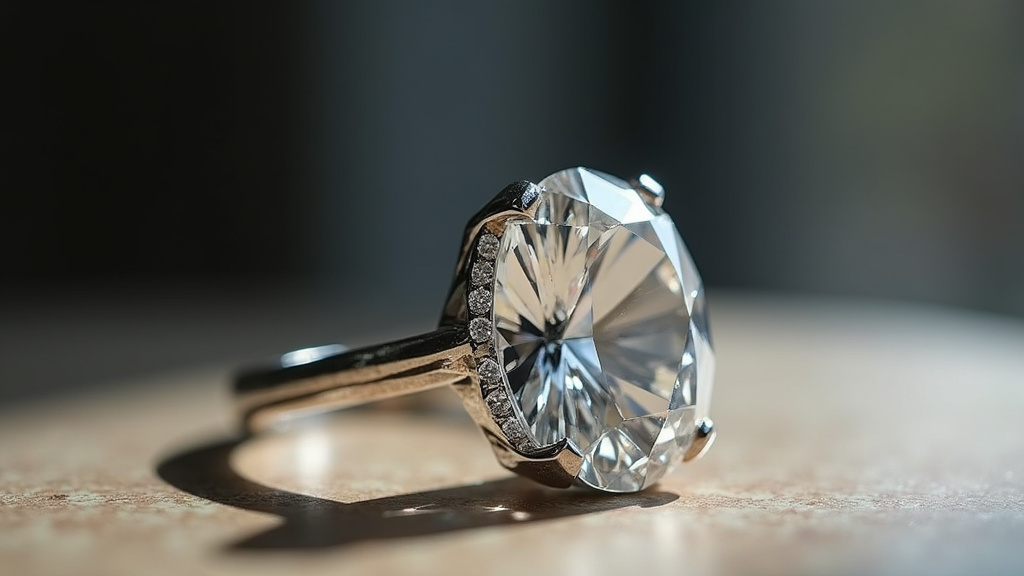
At a glanceLab-grown diamonds are real diamonds created in a lab rather than mined from the earth. They have the same physical and chemical properties as naturally occurring diamonds, meaning they’re equally hard, sparkly, and durable. This process reduces environmental impact and offers an ethical alternative to traditional diamond mining.
In recent years, the rise of lab-grown diamonds has significantly reshaped the gem industry, offering an ethical alternative to traditionally mined stones. As consumers become increasingly conscious of sustainability and environmental impact, the demand for these synthetic gems has surged. However, with this growth comes a need for clarity—a deeper understanding of lab-grown diamonds’ unique properties, benefits, and challenges compared to their natural counterparts. This article provides an in-depth exploration, equipping readers with the knowledge to navigate this evolving market and make informed decisions about these captivating stones.
Lab Grown Diamonds in Hoboken: Where to Start
Looking for lab grown diamonds in Hoboken, NJ? W. Kodak Jewelers Hoboken, NJ serves the local area and can answer questions specific to Hoboken.
Understanding the Science Behind Lab Grown Diamonds

Lab grown diamonds have emerged as a significant alternative to traditionally mined gems, offering consumers an ethical and sustainable choice. Understanding the science behind lab grown diamonds is crucial to appreciating their unique properties and distinguishing them from their earthly counterparts. The process begins by replicating the natural conditions that form diamonds underground. Within a controlled environment, carbon—the primary component of all diamonds—is subjected to extreme pressure and temperature. These conditions, similar to those found deep within the Earth’s mantle, stimulate the crystallization of diamond atoms, leading to the formation of lab grown diamonds.
What sets lab grown diamonds apart is their near-identical chemical composition and physical properties compared to earth-mined diamonds. They possess the same hardness, brilliance, and optical characteristics, making them virtually indistinguishable from traditional diamonds to the naked eye. However, what to expect from lab grown diamonds includes a slightly different crystal structure due to variations in pressure and temperature during growth. This subtle difference can impact the gem’s unique characteristics, such as its dispersion of light—a factor that contributes to its sparkle and allure.
While lab grown diamonds offer numerous advantages, including ethical sourcing and reduced environmental impact, there are also considerations to keep in mind. One downside is that they may carry a higher price point compared to lower-quality mined diamonds. Additionally, the market saturation with lab-grown options has led some established brands like Tiffany & Co., while still offering exquisite pieces, to focus more on mined diamonds for their signature collections, emphasizing the rarity and uniqueness associated with traditionally sourced gems. Ultimately, whether to choose lab grown or mined diamonds is a personal decision that balances ethical considerations, budget, and individual aesthetic preferences.
Benefits and Impact on the Environment and Economy
Lab-grown diamonds have emerged as a significant alternative to traditionally mined diamonds, offering numerous benefits while minimizing environmental impact. These synthetic gems are cultivated in controlled laboratory settings, replicating the natural diamond formation process. This innovative technology has revolutionized the diamond industry, appealing to eco-conscious consumers and those seeking cost-effective luxury. In terms of environmental impact, lab-grown diamonds significantly reduce the ecological footprint associated with traditional mining. Unlike mined diamonds, their production doesn’t involve destructive mining practices, deforestation, or water pollution, making them a more sustainable choice.
The economic implications are equally noteworthy. Lab-grown diamonds can be produced at a lower cost compared to their naturally mined counterparts, making them accessible to a broader market. This affordability has sparked interest among discerning Hoboken jewelry buyers, who now have the option to acquire high-quality diamonds without the premium often associated with traditional stones. As such, it’s worth considering whether lab-grown diamonds are worth the investment for those seeking exquisite jewelry pieces. Top jewelers like Blue Nile and James Allen have pioneered the online sale of lab-grown diamonds, providing an excellent platform for consumers to explore this option.
When evaluating lab-grown diamonds, buyers should expect exceptional quality and clarity, mirroring the characteristics of their natural counterparts. These diamonds undergo rigorous testing and certification processes to ensure they meet the highest standards. With proper care, lab-grown diamonds can last a lifetime, offering both emotional value and financial worth. As the market continues to evolve, with more businesses adopting this technology, consumers can expect further advancements in transparency, quality, and accessibility. This shift is not just an environmental or economic trend but a genuine game-changer in the diamond industry, reshaping how we perceive and acquire these precious stones.
The Future of Diamond Industry: Unlocking Possibilities
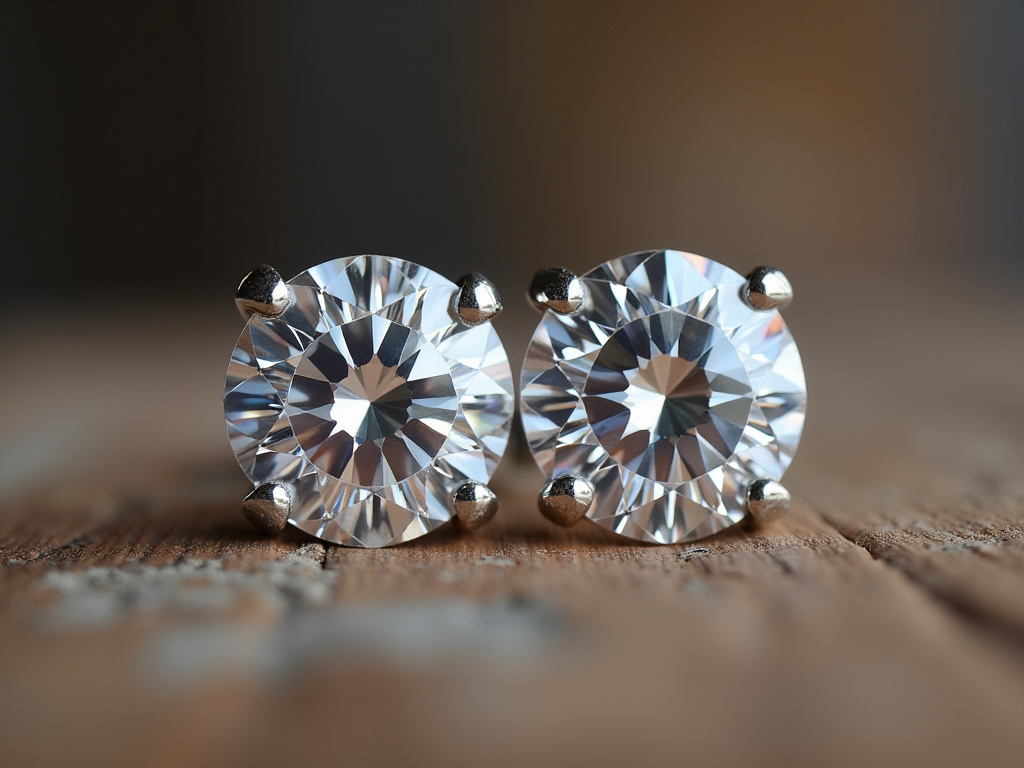
The diamond industry is on the cusp of a significant transformation as lab-grown diamonds continue to gain traction and reshape the market. This innovative technology has the potential to unlock a future where diamonds are not only more accessible and sustainable but also offer unique advantages in terms of pricing and ethical sourcing. As the global market evolves, consumers and industry professionals alike are recognizing the benefits of lab-grown diamonds, which could lead to a paradigm shift in the way we perceive and value these precious stones.
The process of creating lab-grown diamonds involves advanced technology that replicates the natural conditions under which diamonds form deep within the Earth. This method allows for the synthesis of carbon under high pressure and temperature, resulting in a diamond with the same physical, chemical, and optical properties as a naturally mined diamond. One of the key advantages is the ability to produce diamonds in a controlled environment, significantly reducing the time frame compared to traditional mining. While natural diamonds can take billions of years to form, lab-grown diamonds can be created in a matter of weeks, making the process far more efficient. For instance, a recent study by the Gemological Institute of America (GIA) revealed that many lab-grown diamonds tested were found to be of higher quality than some of the finest natural diamonds, challenging the long-held notion that only natural diamonds possess superior beauty and rarity.
As the demand for sustainable and ethically sourced gems grows, lab-grown diamonds offer a compelling solution. Consumers are becoming increasingly conscious of the environmental and social impacts of traditional mining, leading many to seek alternatives. The diamond industry has responded by embracing innovation, and lab-grown diamonds are at the forefront of this movement. In Hoboken, New Jersey, for example, several specialized labs have emerged, providing a hub for cutting-edge diamond production. The time frame for growing lab diamonds in these facilities typically ranges from 2-4 weeks, offering a significantly shorter turnaround compared to traditional methods, and catering to the growing demand for prompt and sustainable diamond solutions. By choosing lab-grown diamonds, consumers can make informed decisions that align with their values while accessing a diverse range of diamond options.
Frequently Asked Questions About Lab Grown Diamonds
What are lab-grown diamonds?
Lab-grown diamonds, also known as cultivated or synthetic diamonds, are created in a controlled laboratory environment using advanced technological processes that mimic the natural formation of diamonds deep within the Earth. These man-made diamonds have identical physical and chemical properties to their naturally mined counterparts but are produced without the need for mining.
How are lab-grown diamonds made?
The process involves several steps, starting with a small seed crystal, which is then placed in a pressure chamber. Under extreme heat and pressure, the diamond crystal grows layer by layer until it reaches the desired size and shape. This method allows for precise control over the diamond’s characteristics, ensuring consistency and quality.
Are lab-grown diamonds real or fake?
A common misconception is that lab-grown diamonds are ‘fake.’ However, they are as real and genuine as naturally mined diamonds. The International Gemological Institute (IGI) and other reputable labs certify lab-grown diamonds, ensuring their authenticity and quality. These certifications provide the same guarantees as those for natural diamonds.
Do lab-grown diamonds have any ethical concerns?
One of the primary advantages of lab-grown diamonds is their ethical production. Unlike mined diamonds, there’s no risk of engaging in conflict zones or supporting inhumane mining practices. Lab-grown diamonds offer a sustainable and responsible alternative, ensuring ethical sourcing without compromising quality.
Are lab-grown diamonds less expensive than natural diamonds?
The cost of lab-grown diamonds can vary widely depending on their quality, cut, and clarity. While some may be more affordable than certain natural diamonds, especially for unique shapes or rare colors, it’s not a universal rule. Many high-quality lab-grown diamonds can actually compete in price with top-of-the-line natural diamonds.
Can I tell the difference between lab-grown and natural diamonds?
Trained gemologists often find it challenging to distinguish between lab-grown and natural diamonds without specialized equipment. Even under 10x magnification, the differences are subtle. Certified labs use precise methods to analyze diamond properties, ensuring accurate identification, but for everyday consumers, both types of diamonds can be virtually indistinguishable.
Lab grown diamonds represent a significant advancement in the diamond industry, offering a sustainable and environmentally conscious alternative to traditionally mined diamonds. The article has comprehensively explored the science behind their creation, highlighting the precision and innovation involved in cultivating these gemstones in a controlled setting. By understanding the benefits, from reduced environmental impact to economic advantages, we can appreciate the potential for a greener future. Furthermore, the discussion on the diamond industry’s evolution suggests that lab grown diamonds are not just a trend but a game-changer, unlocking new possibilities for customization, affordability, and ethical sourcing. Moving forward, the adoption of lab grown diamonds can foster a more sustainable and transparent gem trade, ensuring a bright and responsible path for this precious resource.
W. Kodak Jewelers
60 Newark St., Hoboken, NJ 07030
(201) 710-5490
View W. Kodak Jewelers on Google Maps
How to get to W. Kodak Jewelers from Hoboken High School
Coming from Hoboken High School? W. Kodak Jewelers is close by. Head out on Clinton St and you’ll find us on Newark St. at 60 Newark St., Hoboken, NJ 07030. Use the map below for turn-by-turn directions.