Key Takeaways
- Lab-grown diamonds offer an ethical alternative to traditional mining, reducing environmental impact and human rights concerns.
- The process involves advanced technology, replicating natural conditions to create stunningly similar stones at a fraction of the cost.
- Increasing popularity among consumers seeking sustainable luxury items, with notable adoption in high-end jewelry markets.
- Certification and traceability are crucial for building consumer trust in lab-grown diamonds’ authenticity and origin.
- Lab-grown diamonds hold potential for disrupting the gem industry, fostering innovation and expanding options for jewelers and buyers alike.
- While identical to naturally occurring diamonds, unique manufacturing marks can be detected through specialized testing.
At a glanceLab-grown diamonds are real diamonds created in a lab instead of underground. They have the same physical and chemical properties as naturally mined diamonds, including hardness and sparkle. This process helps reduce environmental impact and offers an ethical alternative to traditional diamond mining.
The global diamond industry has witnessed a significant shift with the emergence of lab-grown diamonds. This innovative process offers an ethical and sustainable alternative to traditional mined diamonds, addressing concerns around conflict, environmental impact, and limited supply. However, amidst this growth, consumers face challenges in understanding the nuances between lab-grown and naturally occurring diamonds. This article delves into the science behind lab-grown diamonds, exploring their creation, unique properties, and the evolving market landscape. By providing an authoritative guide, we aim to empower consumers with knowledge, ensuring informed decisions in this revolutionizing industry.
Understanding Lab Grown Diamonds: The Science Behind Them
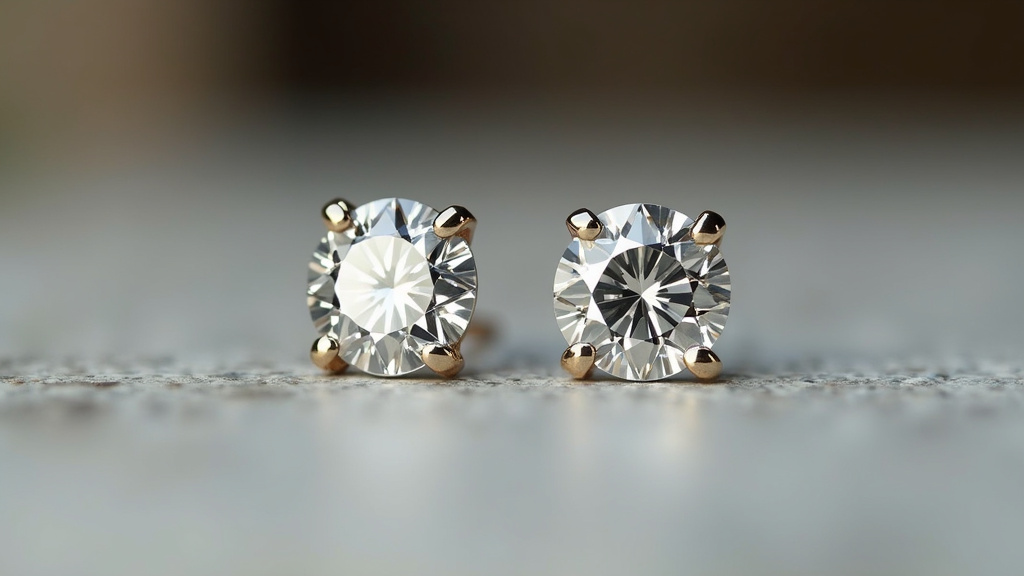
Lab Grown Diamonds in Hoboken: Where to Start
Looking for lab grown diamonds in Hoboken, NJ? W. Kodak Jewelers serves the local area and can answer questions specific to Hoboken.
Lab-grown diamonds have emerged as a significant development in the gem industry, offering an alternative to traditionally mined diamonds. Understanding the science behind lab-grown diamonds is crucial for both consumers and industry professionals. The process begins with the replication of the natural diamond formation conditions, including high pressure and temperature. These conditions are meticulously controlled in a laboratory setting to facilitate the growth of synthetic diamonds. This method significantly reduces the time and environmental impact compared to traditional mining, which can take millions of years.
The timeline for creating lab-grown diamonds in Hoboken, or anywhere else, varies depending on the desired size and quality. On average, it takes approximately 3-6 months to grow a diamond of high quality, comparable to those found in nature. This accelerated growth is made possible through advanced technology, such as chemical vapor deposition (CVD) and high-pressure high-temperature (HPHT) methods. These techniques allow for precise control over the diamond’s structure, ensuring it possesses the same physical and chemical properties as naturally formed diamonds.
Before considering lab-grown diamonds, several important questions should be asked. For instance, it’s essential to verify the diamond’s certification and origin to ensure its authenticity and quality. Reputable labs provide detailed reports and certifications, such as those from the Gemological Institute of America (GIA), which guarantee the diamond’s provenance. Additionally, comparing lab-grown diamonds to mined diamonds in terms of clarity, cut, color, and carat weight can help make an informed decision. For instance, a 2019 study by the University of Pennsylvania found that consumers often prefer the appearance of lab-grown diamonds over traditionally mined ones, highlighting the growing acceptance of this alternative.
When comparing lab-grown diamonds to Tiffany’s offerings, it’s worth noting that Tiffany, as a luxury brand, typically sources its diamonds from mined reserves. However, they also provide lab-grown diamond options in some of their collections. Consumers should carefully examine the origin and certification of any diamond they intend to purchase, regardless of the brand. This practice ensures they are making a well-informed decision, taking advantage of the benefits of lab-grown diamonds without compromising on quality or ethical considerations.
How Lab Grown Diamonds Are Mined and Created
The process of creating lab-grown diamonds involves a sophisticated combination of science and technology, offering an alternative to traditional diamond mining. In Hoboken, this process begins by mimicking the natural conditions under which diamonds form deep within the Earth. Scientists and engineers use advanced heating and pressure techniques to replicate the diamond crystal structure, creating a synthetic diamond. This method eliminates the need for mining, addressing environmental and ethical concerns associated with the traditional diamond industry.
What does the lab-grown diamond process involve in Hoboken? The procedure starts with a small seed crystal, which is then placed in a specialized chamber. This chamber applies intense heat and pressure, typically reaching temperatures of around 2,000°C and pressures equivalent to those found at depths of over 200 kilometers beneath the Earth’s surface. Over a period of several weeks, the seed crystal grows as layers of carbon atoms bond together, forming the distinct crystal structure of a diamond. This meticulous process ensures the creation of a lab-grown diamond of superior quality and purity.
The duration of lab-grown diamond production varies depending on the desired size and quality. On average, it takes approximately 4-6 weeks from the initial seeding to the final diamond harvest. This relatively quick turnaround compared to natural diamond formation, which can take millions of years, underscores the advanced nature of lab-grown diamond technology. To qualify for the prestigious title of lab-grown diamond in Hoboken, manufacturers must adhere to stringent criteria, including documentation of the entire process, third-party certification, and proof of environmental and ethical standards compliance. These measures ensure that lab-grown diamonds meet the highest standards of quality and integrity.
Exploring the Benefits and Future of Lab Grown Diamonds
Lab-grown diamonds have emerged as a significant development in the gemstone industry, offering a sustainable and ethical alternative to traditionally mined diamonds. This innovative process involves creating diamonds in a controlled environment, replicating the natural conditions under which diamonds form. The benefits of lab-grown diamonds are numerous. Firstly, they provide an eco-friendly option, eliminating the environmental impact associated with mining, which often involves significant energy consumption and potential ecological damage. Secondly, lab-grown diamonds offer enhanced transparency and traceability, as the entire process is carefully monitored, ensuring consumers know exactly where their diamonds come from.
In terms of quality, lab-grown diamonds are identical to their natural counterparts. They possess the same physical, chemical, and optical properties, including hardness, brilliance, and dispersion. This consistency has led to a surge in popularity among discerning jewelers and consumers who value both aesthetics and ethical considerations. For those seeking high-quality lab-grown diamonds in Hoboken, several established jeweler options offer a range of exquisite pieces. These businesses are at the forefront of incorporating lab-grown diamonds into their collections, ensuring customers can access these modern gems while supporting sustainable practices.
When considering the investment, it’s worth noting that lab-grown diamonds can be more cost-effective than their naturally mined counterparts, without compromising on quality. The pricing varies based on factors such as cut, clarity, and carat weight, mirroring the traditional diamond market. However, as the industry grows, we may see more competitive pricing. In Hoboken, where the market is vibrant, understanding the local dynamics is essential. Customers should research and compare prices, ensuring they receive a fair deal. Typically, the process of acquiring lab-grown diamonds takes 1-3 weeks, depending on the customisation and the jeweler’s workload, offering a relatively swift route to owning a piece of this modern treasure.
Frequently Asked Questions About Lab Grown Diamonds
What are lab-grown diamonds?
Lab-grown diamonds, also known as cultivated or synthetic diamonds, are created in a controlled laboratory environment using advanced technological processes that mimic the natural diamond formation found deep within the Earth. These diamonds have the same chemical composition and physical properties as their naturally mined counterparts but are produced in a more sustainable and ethical manner.
How are lab-grown diamonds made?
The process involves several steps, starting with a seed crystal, which is placed in a chamber and subjected to high pressure and temperature. This environment simulates the natural conditions under which diamonds form. Over time, carbon atoms bond to the seed, gradually building up the diamond crystal structure. The growth process can take several weeks or months, depending on the desired size and quality.
Are lab-grown diamonds less valuable than naturally mined diamonds?
The value of a diamond is not solely determined by its origin but rather by factors such as cut, clarity, color, and carat weight—the four Cs. Lab-grown diamonds have the same potential for excellence in these areas as their natural counterparts. In fact, many lab-grown diamonds are preferred for their superior purity and consistent quality. The market for both types of diamonds is diverse, with a range of price points to suit various budgets.
Do lab-grown diamonds have any environmental benefits?
One of the primary advantages of lab-grown diamonds is their environmental sustainability. Traditional diamond mining has significant ecological impacts, including habitat destruction, water pollution, and energy consumption. Lab-grown diamonds eliminate these issues since they don’t require extracting raw materials from the Earth’s crust. This makes them a more eco-friendly choice for consumers conscious of their environmental footprint.
Are lab-grown diamonds ethically sourced?
Yes, lab-grown diamonds are ethically produced because they don’t involve any mining or extraction processes that could lead to human rights abuses or conflict. The controlled laboratory conditions ensure that no child labor or forced labor is utilized in the production chain, which is a significant concern with traditional diamond mining. Additionally, lab-grown diamonds contribute to reducing the demand for wild-extracted diamonds, potentially mitigating conflicts associated with certain mined diamonds.
Can lab-grown diamonds be distinguished from natural diamonds?
While advanced techniques have made it increasingly challenging, some methods exist to differentiate between lab-grown and natural diamonds. Specialized testing, such as diamond identity tests or laser inscription analysis, can detect unique characteristics in lab-grown diamonds not found in naturally formed ones. However, many lab-grown diamonds are sold without any distinguishing marks, ensuring they are treated equally in the market.
Are lab-grown diamonds more expensive than synthetic diamonds?
The cost of lab-grown diamonds can vary widely depending on factors like size, color, clarity, and cut. In some cases, lab-grown diamonds can be less expensive than their natural counterparts, especially for larger stones or specific colors. However, premium lab-grown diamonds that match the finest natural diamonds in terms of quality can command similar prices, reflecting their equivalent beauty and rarity.
Lab grown diamonds represent a significant advancement in the gem industry, offering a sustainable and ethical alternative to traditionally mined diamonds. Understanding the science behind their creation, from the precise replication of natural conditions to the innovative growth processes, underscores their growing legitimacy and quality. The mining and creation of lab grown diamonds not only bypasses the environmental and social implications of traditional mining but also enhances efficiency and purity. This technology promises a future where diamonds can be produced responsibly, meeting the growing demand without depleting Earth’s finite resources. By embracing lab grown diamonds, consumers can make informed choices, contributing to a more sustainable and ethical global market.
W. Kodak Jewelers
60 Newark St., Hoboken, NJ 07030
(201) 710-5490
View W. Kodak Jewelers on Google Maps
How to get to W. Kodak Jewelers from Maxwell Place Park
Coming from Maxwell Place Park? W. Kodak Jewelers is close by. Head out on 11TH Sinatra Dr N and you'll find us on Newark St. at 60 Newark St., Hoboken, NJ 07030. Use the map below for turn-by-turn directions.