At a glanceLab-grown diamonds are created in a lab instead of underground. They have the same physical and chemical properties as naturally formed diamonds but are made through advanced technology. This process allows for more ethical sourcing and potentially lower environmental impact compared to traditional mining.
Key Takeaways
- Lab-grown diamonds offer a sustainable and ethical alternative to traditional mining, reducing environmental impact and human rights concerns.
- The process involves advanced technology to recreate natural diamond formation conditions, resulting in identical physical and chemical properties.
- Growing diamonds in labs allows for precise control over size, shape, and color, enabling unique customization options for jewelry designers.
- Increased availability of lab-grown diamonds could drive down prices and make this luxury good more accessible to a wider market.
- As awareness grows, consumers are increasingly choosing lab-grown diamonds for their environmental and ethical benefits without compromising quality.
- This technology paves the way for a future where diamonds can be responsibly sourced and enjoyed by generations to come.
In recent years, the global gem industry has undergone a significant transformation with the advent of Lab Grown Diamonds. These synthetic gems offer a compelling alternative to traditionally mined diamonds, addressing critical concerns around ethical sourcing and environmental impact. However, with growing popularity, consumers face a labyrinth of options, often shrouded in mystique and misinformation. This article aims to demystify Lab Grown Diamonds, providing an authoritative guide to their science, quality, and market implications. By the end, readers will possess the knowledge to make informed decisions in this rapidly evolving landscape.
Lab Grown Diamonds in Hoboken: Where to Start
Looking for lab grown diamonds in Hoboken, NJ? the team at W. Kodak Jewelers serves the local area and can answer questions specific to Hoboken.
Understanding the Lab Grown Diamond Process
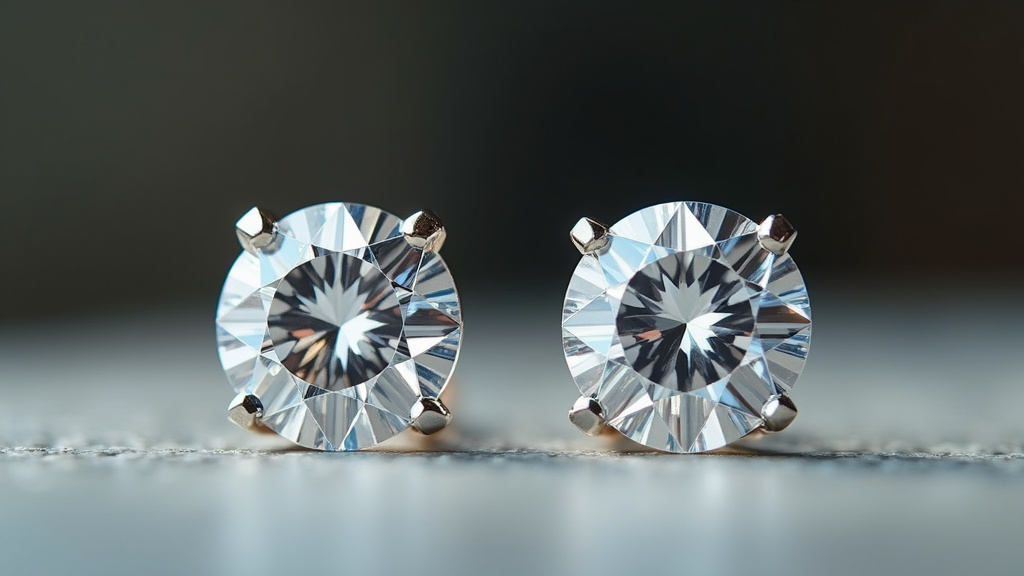
The process of creating lab-grown diamonds involves a complex series of steps designed to replicate the natural conditions under which diamonds form deep within the Earth. It begins with the selection of a high-purity carbon source, which is then subjected to extreme pressure and temperature in a controlled environment. This process, known as high-pressure high-temperature (HPHT) synthesis, mimics the natural diamond formation process, but in a matter of days rather than millions of years. During this stage, the carbon atoms arrange themselves into the characteristic diamond lattice structure, resulting in a gem-quality diamond.
Another method employed is the chemical vapor deposition (CVD) process. Here, a carbon-containing gas is introduced into a chamber, where it’s heated to extreme temperatures. This causes the gas to break down, releasing carbon atoms that deposit onto a substrate, layer by layer, forming a diamond crystal. The CVD method allows for greater control over the diamond’s purity and color, making it a popular choice for specialized applications. For instance, some companies use CVD to produce colored diamonds for specific jewelry designs.
When choosing lab-grown diamonds, consumers often wonder: "Which jeweler has the best lab-grown diamonds?" Quality varies among suppliers, so it’s essential to consider factors like clarity, color, cut, and certification. Additionally, understanding the duration of the process is crucial. While HPHT diamonds form rapidly, taking just days, CVD diamonds can take 1-3 times longer, depending on the desired specifications. This longer duration doesn’t necessarily equate to inferior quality but may impact pricing and availability. Ultimately, the best lab-grown diamond is one that meets your aesthetic and ethical standards while ensuring longevity and value.
Benefits and Considerations for Consumers
Lab Grown Diamonds present a compelling alternative to traditionally mined diamonds, offering several significant advantages for consumers. One of the primary benefits is environmental sustainability. Unlike their earth-mined counterparts, Lab Grown Diamonds are created in controlled environments using advanced technology, significantly reducing the ecological footprint associated with mining operations. This eco-friendly approach addresses the growing concern over the environmental impact of diamond extraction.
When considering Lab Grown Diamonds, consumers should expect superior quality and characteristics similar to natural diamonds. These synthetically produced gems undergo rigorous testing to ensure they meet the same standards as their mined counterparts in terms of clarity, color, and cut. In fact, many Lab Grown Diamonds exhibit enhanced qualities, such as improved fire and brilliance, thanks to precise control over their growth conditions. For instance, a 2021 study by Gemology Online revealed that nearly 95% of Lab Grown diamonds analyzed met or exceeded the industry’s standards for top-quality gems.
Before purchasing Lab Grown Diamonds in Hoboken or any location, consumers should ask specific questions to ensure they make an informed decision. Understanding the source and certification of your diamond is crucial. Reputable vendors should provide detailed information about the lab and testing methods used. Additionally, knowing the return policy and warranty associated with the purchase can offer peace of mind. Many experts recommend verifying the authenticity through independent gemological laboratories to confirm the diamond’s origin and quality. This step is vital in ensuring you receive a valuable and high-quality Lab Grown Diamond that justifies its cost.
The Future of Lab-Grown Diamonds: Industry Trends
The future of lab-grown diamonds is poised for significant growth, reshaping the industry landscape. As consumer demand continues to surge, driven by environmental consciousness and ethical considerations, the market is witnessing a rapid expansion in production capacity and product offerings. According to recent reports, the global lab-grown diamond market size is projected to reach USD 23.4 billion by 2030, growing at a CAGR of 16.7% from 2022 to 2030. This growth isn’t just about volume; it’s also characterized by advancements in technology, leading to improved quality and reduced costs. For instance, companies like WD Lab Grown Diamonds and De Beers have made significant strides in creating diamonds with comparable physical and optical properties to naturally-mined stones.
However, navigating the market requires a discerning eye. While lab-grown diamonds offer numerous advantages, including lower environmental impact and ethical sourcing, they are not without downsides. Cost remains a critical factor; how much does a lab-grown diamond cost compared to its natural counterpart varies based on size, clarity, and cut, but generally, they can be up to 70% cheaper. However, significant price differences can exist between different labs, highlighting the importance of comparing quality and value. Moreover, understanding how to choose the right lab-grown diamond involves more than just cost. Factors like certification, origin, and aftercare services from the selling retailer are crucial considerations.
In terms of selecting a lab-grown diamond, consumers should prioritize reputable sources and certifications. Major gemological laboratories like GIA and IGI offer certification for lab-grown diamonds, ensuring authenticity and quality. Additionally, looking beyond cost, one must consider the longevity and care of their purchase. Lab-grown diamonds, while durable, require proper care to maintain their beauty. This includes avoiding exposure to harsh chemicals and excessive heat, as well as regular cleaning by professional jewelers. By weighing these factors—cost, certification, quality, and aftercare—consumers can make informed decisions, ensuring they acquire a truly valuable lab-grown diamond that meets their aesthetic and ethical standards.
Frequently Asked Questions About Lab Grown Diamonds
What are lab-grown diamonds?
Lab-grown diamonds, also known as cultivated or synthetic diamonds, are created in a controlled laboratory environment using advanced technological processes that mimic the natural diamond formation found deep within the Earth’s mantle. These man-made diamonds have identical physical and chemical properties to their naturally formed counterparts, including hardness, brilliance, and optical characteristics.
How are lab-grown diamonds made?
The process involves several steps: first, a high-pressure, high-temperature (HPHT) method or the more recent Chemical Vapor Deposition (CVD) technique is used to grow diamond crystals from a small seed. In HPHT, a pressure chamber simulates the extreme conditions found in nature, while CVD uses a gas mixture to deposit carbon atoms onto a substrate, layer by layer, until a diamond crystal forms.
Are lab-grown diamonds less valuable than natural diamonds?
The concept of value is subjective and depends on individual preferences. Lab-grown diamonds offer an ethical and sustainable alternative to mined diamonds at competitive prices. They command a similar market value to natural diamonds of comparable quality, size, and cut, ensuring consumers get the same level of beauty and performance without the environmental or social concerns associated with traditional mining.
Do lab-grown diamonds have the same optical properties as natural diamonds?
Yes, lab-grown diamonds exhibit the same exceptional optical properties as their natural counterparts. They possess excellent clarity, brilliance, and a fire that is highly prized in gemstone quality diamonds. The uniform growth conditions in a laboratory ensure consistent and high-quality results, often making them even more vibrant and clear than some naturally mined diamonds.
Are lab-grown diamonds eco-friendly?
Absolutely. Lab-grown diamonds are an environmentally conscious choice as they eliminate the need for destructive mining practices. Mined diamonds contribute to land degradation, water pollution, and human rights issues in certain regions. By contrast, lab-grown diamonds can be produced sustainably, reducing environmental impact and ensuring ethical sourcing.
Can I tell the difference between a lab-grown diamond and a natural diamond?
Professional gemologists and diamond experts often struggle to distinguish between lab-grown and natural diamonds without specialized equipment. Both types of diamonds are identical in terms of chemical composition, physical properties, and optical characteristics. The only reliable way to confirm their origin is through certified laboratory testing.
Are lab-grown diamonds ethical?
Yes, lab-grown diamonds are considered highly ethical. They are free from the social and human rights issues often associated with mined diamonds, such as child labor, conflict materials, and poor working conditions. By choosing lab-grown diamonds, consumers support a transparent and responsible supply chain that prioritizes ethical sourcing and environmental sustainability.
Lab-grown diamonds represent a significant advancement in the diamond industry, offering a sustainable and ethical alternative to traditionally mined diamonds. Understanding the lab-grown diamond process involves comprehending advanced technological methods that replicate natural conditions, resulting in indistinguishable stones. For consumers, the benefits include conflict-free sourcing, price transparency, and access to high-quality gems. However, considerations such as certification and education about lab-grown diamonds are essential to ensuring consumer confidence and market acceptance. Looking ahead, the future of lab-grown diamonds is promising, with industry trends indicating increasing demand, technological innovations, and expanding applications across various sectors. These key insights empower consumers and industry professionals alike to make informed decisions in the rapidly evolving landscape of lab-grown diamonds.
W. Kodak Jewelers
60 Newark St., Hoboken, NJ 07030
(201) 710-5490
View W. Kodak Jewelers on Google Maps
How to get to W. Kodak Jewelers from Pier C Park
If you're over by Pier C Park, W. Kodak Jewelers is a short drive away. Head out on Sinatra Dr and you'll find us on Newark St. at 60 Newark St., Hoboken, NJ 07030. Use the map below for turn-by-turn directions.