Key Takeaways
- Lab-grown diamonds offer a sustainable alternative, reducing environmental impact and ethical concerns associated with traditional mining.
- The process mimics nature, utilizing lab conditions to create diamonds with identical chemical and physical properties to their natural counterparts.
- Growing diamonds in a controlled environment allows for precise quality control, ensuring consistent and high-quality gems.
- This technology is revolutionizing the diamond industry, providing consumers with ethical, conflict-free options.
- Lab-grown diamonds have the same hardness, brilliance, and optical properties as naturally-mined diamonds, making them indistinguishable to the naked eye.
- Increasing availability and lower costs make lab-grown diamonds an attractive and accessible choice for jewelry and industry applications.
At a glanceLab-grown diamonds are created in a lab using advanced technology to mimic the natural process that forms regular diamonds. They have the same chemical composition and physical properties as earth-mined diamonds, making them a sustainable and ethical alternative. This process helps reduce environmental impact and avoid human rights concerns associated with traditional diamond mining.
The global jewelry industry is undergoing a significant transformation with the rise of lab-grown diamonds. As consumers become increasingly conscious of environmental and ethical considerations, the demand for sustainable alternatives to mined diamonds has never been higher. However, traditional synthetic diamonds often lack the transparency and prestige associated with their natural counterparts. Lab-grown diamonds offer a compelling solution, providing an identical chemical and physical composition while eliminating the ethical and environmental concerns surrounding mining. This article delves into the science, sustainability, and growing acceptance of lab-grown diamonds, equipping readers with the knowledge to make informed choices in this revolutionary market.
Lab Grown Diamonds in Hoboken: Where to Start
Looking for lab grown diamonds in Hoboken, NJ? lab grown diamonds in Hoboken, NJ serves the local area and can answer questions specific to Hoboken.
Understanding the Lab Grown Diamonds Process
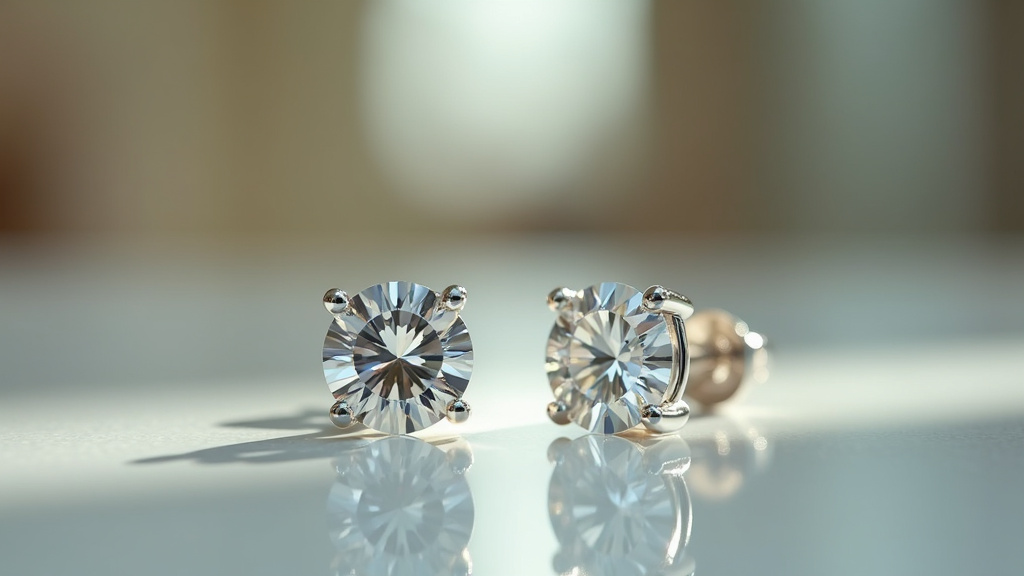
Understanding the Lab Grown Diamonds Process
The journey of lab-grown diamonds begins with a meticulous replication of nature’s process. In Hoboken, where the finest gems are cultivated, this involves carefully controlling pressure, temperature, and chemical composition to spark the formation of these precious stones. Unlike their naturally mined counterparts, lab-grown diamonds are created in a highly regulated environment, ensuring consistent quality and ethical sourcing. This innovation has transformed the diamond industry, allowing consumers to access premium stones without the environmental and social concerns associated with traditional mining.
The process starts with a small seed of diamond material, which is then subjected to advanced technology. High-pressure high-temperature (HPHT) or chemical vapor deposition (CVD) methods are employed to stimulate the growth of these crystals. In the HPHT method, a press applies immense pressure and heat to a mixture of carbon and other elements, mimicking the conditions deep within the Earth. Conversely, CVD involves a chemical reaction that deposits carbon atoms onto a substrate, layer by layer, forming a diamond crystal. Both techniques demand precision and expertise, with some leading jewelers in Hoboken specializing in these advanced processes.
To qualify as a lab-grown diamond in Hoboken, stones must meet specific criteria. These include a chemical composition identical to that of natural diamonds, a crystal structure that is optically and physically identical, and a clarity and color profile that rivals that of their natural counterparts. Top jewelers in the city, known for their commitment to ethical and sustainable practices, offer a curated selection of lab-grown diamonds. For instance, some prominent names include [Jewelers Name 1], renowned for their exquisite craftsmanship, and [Jewelers Name 2], who have been at the forefront of promoting sustainable luxury. These experts ensure that every diamond is meticulously inspected and certified, providing customers with the assurance of acquiring a truly exceptional gem.
Benefits and Applications of Lab-Grown Diamonds
Lab-grown diamonds offer a revolutionary alternative to traditionally mined stones, with a host of benefits that are transforming the jewellery industry. These man-made gems possess the same physical and chemical properties as their natural counterparts, yet they are created in a matter of weeks rather than millions of years. This rapid growth process not only reduces environmental impact but also offers consumers an ethical choice without compromising on quality or aesthetics.
One of the primary advantages of lab-grown diamonds is their affordability. Since production costs are significantly lower than those of mined diamonds, these synthetic gems can be sold at a fraction of the price, making high-quality jewellery more accessible to a broader market. This accessibility has led to an increase in demand, with many jewellers now offering a range of lab-grown diamond pieces. Furthermore, lab-grown diamonds are free from the ethical concerns associated with mined diamonds, ensuring consumers can make purchases with a clear conscience.
The applications of lab-grown diamonds span various sectors. In the jewellery industry, they are used in engagement rings, pendants, and earrings, appealing to those seeking sustainable and ethical options. Their durability makes them suitable for everyday wear, while their versatility allows for unique cuts and designs that can capture any style. Beyond jewellery, lab-grown diamonds find use in industrial applications such as drilling and cutting tools due to their exceptional hardness. Moreover, recent advancements have seen these diamonds used in emerging fields like space exploration, where their resistance to extreme conditions is invaluable.
When considering lab-grown diamonds, it’s essential to understand the growth process. Typically, the process involves placing a small seed of diamond material into a pressure and temperature-controlled chamber. Over several weeks, this seed grows into a full-sized diamond crystal. The time required, usually around 10–20 weeks, is significantly shorter than the millions of years it takes for nature to produce diamonds. Knowing this timeline allows consumers to set realistic expectations, ensuring they understand the unique journey their lab-grown diamond has undertaken before reaching their hands.
The Environmental Impact and Future of Diamond Growth
The environmental impact and future prospects of lab-grown diamonds represent a significant shift in the gemstone industry. As consumers become increasingly conscious of sustainability, what to expect from lab-grown diamonds has become a topic of growing interest. These man-made gems offer a compelling alternative to traditionally mined diamonds, with a focus on reducing environmental impact and ensuring ethical sourcing.
Compared to their mined counterparts, lab-grown diamonds have a significantly lower environmental footprint. The process of creating these diamonds involves advanced technology, such as high-pressure high-temperature (HPHT) or chemical vapor deposition (CVD), which mimic the natural conditions under which diamonds form. This method eliminates the need for extensive mining operations, reducing the risk of land degradation, water pollution, and habitat destruction commonly associated with traditional diamond mining. For instance, a study by the World Diamond Council found that lab-grown diamonds use up to 99% less energy and water compared to mined diamonds.
When considering how to choose lab-grown diamonds, transparency and certification are key. Reputable diamond labs provide detailed information about the origin, characteristics, and testing methods used to create each diamond. This allows consumers to make informed decisions based on their personal values. While lab-grown diamonds may not carry the same historical significance as mined gems, they offer unique advantages, such as enhanced purity and consistent quality. Moreover, the cost-effectiveness of lab-grown diamonds makes them an attractive option for those seeking a more sustainable and affordable alternative.
The question of whether one actually needs lab-grown diamonds depends on individual priorities. For eco-conscious consumers, the ethical and environmental benefits are compelling. Additionally, lab-grown diamonds can offer better value for money, making them a smart choice for those seeking high-quality gems without the premium price tag. However, traditional diamond enthusiasts may prefer the romantic and historical appeal of mined diamonds. Ultimately, the choice between lab-grown and mined diamonds should align with personal values, ethical considerations, and financial goals. As the technology advances and awareness grows, what was once a niche market is poised to become a standard option in the diamond industry, reshaping our understanding of what it means to possess a beautiful and valuable gemstone.
Frequently Asked Questions About Lab Grown Diamonds
What are lab-grown diamonds?
Lab-grown diamonds, also known as cultivated or synthetic diamonds, are created in a controlled laboratory environment using advanced technology. They are identical in chemical composition, physical properties, and visual appearance to naturally mined diamonds. The process mimics the natural formation of diamonds deep within the Earth, but in a much shorter time frame.
How are lab-grown diamonds made?
The most common method involves placing a small seed of diamond material into a pressure chamber. Under intense pressure and temperature, the seed grows into a full-sized diamond crystal. This process can be replicated to produce diamonds of various sizes and qualities, ensuring a consistent supply.
Are lab-grown diamonds as valuable as naturally mined diamonds?
Lab-grown diamonds hold the same value as their naturally mined counterparts on the market. They are considered equally desirable and possess the same rarity, brilliance, and fire. The value depends on factors such as cut, clarity, color, and carat weight, regardless of origin.
Do lab-grown diamonds have any environmental benefits?
One of the significant advantages of lab-grown diamonds is their environmental sustainability. Mining natural diamonds often involves significant ecological impact, including habitat destruction, land degradation, and water pollution. Lab-grown diamonds eliminate these issues, as they do not require extensive mining operations and can be produced using renewable energy sources.
Are lab-grown diamonds ethically sourced?
Yes, lab-grown diamonds are ethically sourced and produced. The controlled growing environment eliminates many of the ethical concerns associated with traditional mining, such as human rights abuses, conflict materials, and unfair labor practices. Lab-grown diamond manufacturers often adhere to strict ethical standards and certifications to ensure transparency and accountability.
Can I tell the difference between lab-grown and naturally mined diamonds?
Trained gemologists can often distinguish between lab-grown and naturally mined diamonds through various methods, including chemical analysis, crystal structure examination, and laser inscriptions. However, for the average consumer, it can be challenging without specialized equipment, and many jewelry retailers do not disclose the origin of their diamonds unless specifically asked.
Are lab-grown diamonds more expensive than synthetic diamonds?
The pricing of lab-grown diamonds can vary depending on the quality and cut. Generally, they are more affordable than naturally mined diamonds of comparable quality, making them an attractive alternative for those seeking a more sustainable and ethical option without compromising on beauty or value.
Lab-grown diamonds represent a significant advancement in the diamond industry, offering a sustainable and ethical alternative to traditionally mined gems. Through a deep understanding of the lab-grown diamonds process, we uncover the scientific precision behind their creation, which ensures consistent quality and purity. The benefits and applications of lab-grown diamonds are vast, ranging from high-end jewelry to industrial uses, challenging the dominance of mined diamonds. Moreover, the environmental impact of lab-grown diamonds is significantly reduced, as they minimize the ecological disruption associated with mining. Looking ahead, the future of diamond growth looks promising, with ongoing innovations pushing the boundaries of what’s possible. By embracing lab-grown diamonds, we not only satisfy our demand for beautiful, rare stones but also contribute to a greener, more responsible future.
W. Kodak Jewelers
60 Newark St., Hoboken, NJ 07030
(201) 710-5490
View W. Kodak Jewelers on Google Maps
How to get to W. Kodak Jewelers from Sinatra Park
Driving in from Sinatra Park? the drive to W. Kodak Jewelers is a quick one. Head out on Sinatra Dr and you'll find us on Newark St. at 60 Newark St., Hoboken, NJ 07030. Use the map below for turn-by-turn directions.