Key Takeaways
- Lab-grown diamonds offer a sustainable and ethical alternative to traditional mining, reducing environmental impact and human rights concerns.
- The process involves advanced technology mimicking natural diamond formation, resulting in identical chemical and physical properties.
- Growing a diamond in a lab can be faster and more cost-effective than mining, making them a competitive option for consumers.
- Increased availability of lab-grown diamonds could lead to lower prices and greater accessibility for consumers seeking high-quality gemstones.
- Certification and transparency are crucial for establishing trust and ensuring the legitimate sourcing and sale of lab-grown diamonds.
- Consumer demand for sustainable and ethical gems is driving the growth and acceptance of lab-grown diamond industry.
- Future advancements in technology may lead to even more innovative and diverse shapes and cuts of lab-grown diamonds.
At a glanceLab-grown diamonds are real diamonds created in a lab instead of mined from the earth. They have the same chemical and physical properties as naturally occurring diamonds, making them equally hard, sparkly, and durable. This process helps reduce environmental impact and offers an ethical alternative to traditional diamond mining.
In recent years, the rise of lab-grown diamonds has significantly reshaped the gem industry. As consumers become increasingly conscious of environmental and ethical concerns, these synthetic stones offer a compelling alternative to traditionally mined diamonds. However, with growing popularity comes a need for clarity—both in terms of quality and consumer understanding. This article delves into the science behind lab-grown diamonds, their benefits, and how they compare to their natural counterparts. By exploring these facets, we aim to provide an authoritative guide that empowers informed decisions in this evolving landscape.
Lab Grown Diamonds in Hoboken: Where to Start
Looking for lab grown diamonds in Hoboken, NJ? W. Kodak Jewelers lab grown diamonds serves the local area and can answer questions specific to Hoboken.
Understanding the Science Behind Lab Grown Diamonds
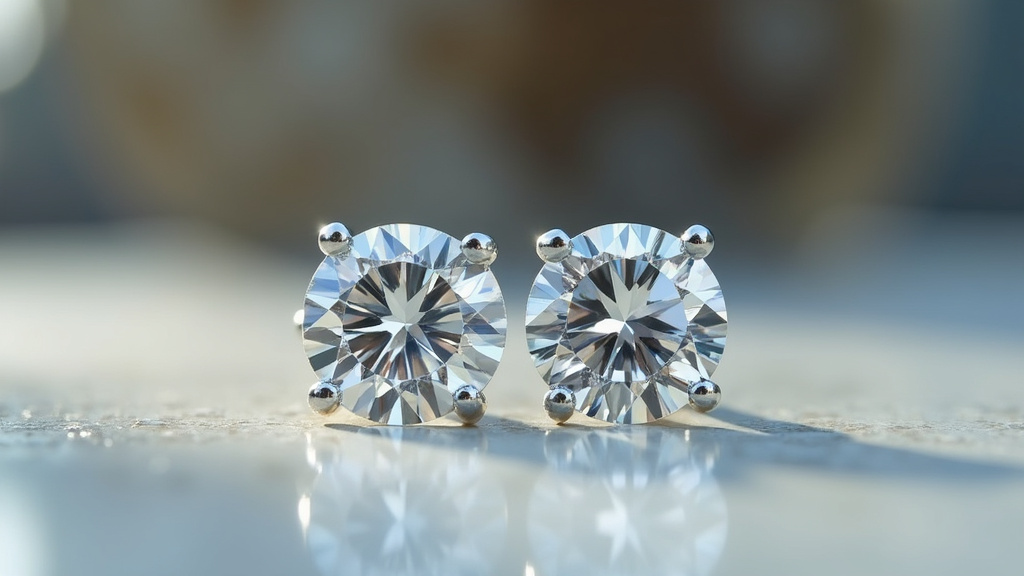
Lab grown diamonds have emerged as a significant alternative to traditionally mined diamonds, offering consumers an eco-friendly and ethical choice. Understanding the science behind lab grown diamonds is crucial to appreciating their quality and value. The process begins by simulating the natural conditions under which diamonds form deep within the Earth. In a laboratory setting, a seed crystal is placed under high pressure and temperature, often achieved using advanced heating and pressure cells. Over time, typically ranging from weeks to months, the seed grows into a diamond crystal, mimicking the geological process that takes millions of years in nature. This method allows for precise control over the diamond’s characteristics, including its size, shape, clarity, and color.
What to expect from lab grown diamonds is a product of consistent quality and remarkable purity. These diamonds undergo rigorous testing to ensure they meet or exceed the standards of natural diamonds. For instance, a study by the Gemological Institute of America (GIA) found that lab-grown diamonds have the same optical and physical properties as mined diamonds, making them indistinguishable to the naked eye. This consistency in quality translates into significant price advantages. According to recent market data, a 1 carat lab grown diamond can cost anywhere from 1-3 times less than its natural counterpart, making them a compelling choice for consumers seeking both beauty and affordability.
The lab grown diamonds process in Hoboken, or any other advanced facility, involves cutting-edge technology and a deep understanding of diamond science. The result is a product that not only rivals the beauty of natural diamonds but also offers a more sustainable and ethical choice. For those considering a lab grown diamond, understanding these intricacies can help demystify the process and ensure they make an informed decision. When choosing a diamond, it’s essential to look beyond the carat weight and consider the overall quality, cut, and certification, just as you would with any precious gem.
Environmental and Ethical Benefits of Lab-Grown Diamonds
Lab-grown diamonds offer a compelling alternative to traditionally mined diamonds, with significant environmental and ethical advantages. Unlike their mined counterparts, lab-grown diamonds are created in a controlled setting, minimizing the ecological impact associated with mining activities. This process eliminates the need for extensive land clearances, water usage, and the release of harmful chemicals often found in diamond mining operations. In Hoboken, where the demand for luxury jewelry is high, many consumers are increasingly opting for lab-grown diamonds to align with their values.
The lab-grown diamond process involves advanced technology that replicates the natural conditions under which diamonds form deep within the Earth. By simulating pressure and temperature levels, these diamonds are grown in a matter of weeks, rather than millions of years. This method ensures a more sustainable and ethical supply chain, as it doesn’t rely on extracting valuable resources from the earth. For instance, a report by the World Diamond Council revealed that lab-grown diamonds use up to 98% less energy and water compared to traditional mining methods. Furthermore, they produce significantly less waste, making them an environmentally conscious choice.
When considering a purchase, it’s essential to verify the qualifications for lab-grown diamonds in Hoboken. Look for certifications from reputable organizations that ensure the diamond’s origin and quality. For instance, the Gemological Institute of America (GIA) offers testing and grading services for lab-grown diamonds, providing consumers with peace of mind. When comparing lab-grown diamonds to those from Tiffany & Co., a renowned luxury jewelry brand, it’s worth noting that Tiffany currently sources its diamonds primarily from responsible mining operations, but they also offer lab-grown options. This flexibility allows customers to make informed choices based on their preferences and ethical considerations.
The Rise and Future of the Lab Grown Diamond Industry
The lab grown diamond industry has experienced a remarkable rise over the past decade, transforming from a niche concept to a significant player in the global gemstone market. This rapid evolution is driven by advanced technology and shifting consumer preferences for more sustainable and ethical alternatives to traditionally mined diamonds. Lab grown diamonds offer an intriguing solution to the environmental and social concerns associated with the mining industry, appealing to environmentally conscious consumers who seek conflict-free gems.
These man-made diamonds are created in a controlled laboratory environment using innovative processes that mimic the natural formation of diamonds deep within the Earth. The most common methods involve subjecting carbon to high pressure and temperature conditions, leading to the creation of identical physical and chemical properties as natural diamonds. This ensures that lab grown diamonds possess the same hardness, brilliance, and fire that make their mined counterparts so prized. As a result, consumers can expect exceptional quality and durability from these synthetic gems, often at more accessible price points compared to traditional diamonds.
The future of lab grown diamonds appears promising, with the industry projected to grow at a substantial rate in the coming years. Increasing awareness about ethical sourcing practices among consumers is driving demand. Moreover, advancements in technology are leading to greater efficiency and cost-effectiveness in production, making lab grown diamonds an increasingly viable option for jewelry buyers. For instance, according to a report by Grand View Research, the global lab grown diamond market size was valued at USD 12.7 billion in 2020 and is expected to expand at a compound annual growth rate (CAGR) of 16.5% from 2021 to 2028. This rapid expansion suggests that what was once a niche market is poised to become the new standard in the gemstone industry.
When considering lab grown diamonds, it’s essential to understand the time frame involved in their creation. The process typically requires several weeks to several months, depending on the size and quality desired. For instance, a one-carat diamond may take approximately 4-6 weeks to grow, while more unique or larger stones could take up to 3 months or longer. In Hoboken, as with many premium diamond centers, you can expect state-of-the-art facilities offering cutting-edge technology, ensuring high-quality lab grown diamonds in a timely manner. Engaging with reputable jewelers who specialize in these gems will provide guidance tailored to your needs and budget, allowing you to make an informed decision about this exciting new alternative in the diamond market.
Frequently Asked Questions About Lab Grown Diamonds
What are lab-grown diamonds?
Lab-grown diamonds, also known as cultivated or synthetic diamonds, are created in a controlled laboratory environment rather than mined from the earth. Using advanced technology, these diamonds are grown from a diamond seed under specific conditions that mimic the natural diamond formation process. This innovative process results in diamonds with identical physical, chemical, and optical properties as naturally occurring diamonds.
How are lab-grown diamonds made?
The lab-grown diamond creation process involves several steps. It starts with a diamond seed, which is a tiny fragment of a natural diamond. This seed is placed in a special container and subjected to high pressure and temperature (HPHT) or chemical vapor deposition (CVD). These methods replicate the natural conditions under which diamonds form, causing the seed to grow into a full-sized diamond over time.
Are lab-grown diamonds real diamonds?
Yes, lab-grown diamonds are considered real diamonds in every sense. They possess the same carbon crystal structure, hardness, brilliance, and optical properties as naturally mined diamonds. The only distinction is their origin; lab-grown diamonds are created in a controlled laboratory setting, while traditional diamonds are extracted from the earth.
Do lab-grown diamonds have the same quality as natural diamonds?
The quality of lab-grown diamonds can vary, but when produced by reputable labs, they often match or even exceed the quality of natural diamonds. Factors like clarity, color, cut, and carat weight are determined by the same standards used for natural diamonds. Many consumers find that lab-grown diamonds offer excellent value for money, especially for specific cuts and settings.
Are lab-grown diamonds more environmentally friendly?
One of the primary advantages of lab-grown diamonds is their environmental sustainability. The mining of natural diamonds often involves destructive practices, such as large-scale excavation and the release of harmful chemicals. Lab-grown diamonds, on the other hand, eliminate the need for mining, reducing environmental impact and conserving natural resources.
Are lab-grown diamonds more affordable than natural diamonds?
Lab-grown diamonds typically offer a more affordable alternative to natural diamonds of comparable quality. Since their production doesn’t involve the same costs associated with mining and distribution, they can be priced lower while maintaining excellent value. This makes lab-grown diamonds an attractive option for those seeking high-quality diamonds at a reasonable cost.
Can lab-grown diamonds be distinguished from natural diamonds?
While advanced techniques make it easier to identify lab-grown diamonds, the process has become increasingly sophisticated. Many diamonds, even from reputable labs, may still pass as natural upon visual inspection. However, professional gemologists can detect subtle differences using specialized equipment, ensuring the authenticity of the diamond.
Lab grown diamonds represent a significant advancement in the diamond industry, offering not just an alternative to traditionally mined stones but a more sustainable and ethical choice. The science behind their creation has evolved, ensuring high-quality gems that rival their natural counterparts. Environmental benefits include reduced ecological impact and preservation of finite resources. Furthermore, lab grown diamonds address ethical concerns associated with mining, promoting transparency and accountability throughout the supply chain. As the industry continues to grow and innovate, consumers have an increasing array of options, fostering a market shift towards sustainable luxury. By embracing lab grown diamonds, individuals not only contribute to environmental conservation but also support a future-oriented approach that ensures the longevity of this precious resource for generations to come.
W. Kodak Jewelers
60 Newark St., Hoboken, NJ 07030
(201) 710-5490
View W. Kodak Jewelers on Google Maps
How to get to W. Kodak Jewelers from Hoboken Park
Starting near Hoboken Park? W. Kodak Jewelers is a short drive away. Head out on Pier A Park and you'll find us on Newark St. at 60 Newark St., Hoboken, NJ 07030. Use the map below for turn-by-turn directions.