Key Takeaways
- Lab-grown diamonds offer a sustainable alternative to traditional mining, reducing environmental impact and ethical concerns.
- These diamonds are virtually identical to their natural counterparts in terms of chemical composition and physical properties.
- The process of creating lab diamonds is more efficient, allowing for consistent quality and size control.
- The market for lab-grown diamonds is growing rapidly, driven by consumer demand for ethical and eco-friendly luxury goods.
- Regulatory clarity and consumer education are crucial for the widespread acceptance of lab-grown diamonds in the jewelry industry.
- Choosing lab-grown diamonds can contribute to a more transparent and responsible supply chain in the luxury sector.
At a glanceLab-grown diamonds are created in a lab using advanced technology, mimicking the natural process that forms regular diamonds. This method allows for a more sustainable and ethical alternative to traditional mining, offering the same brilliant quality at a lower environmental cost. They’re real diamonds, just created differently.
In recent years, the rise of lab-grown diamonds has significantly reshaped the gem industry. As consumers become increasingly aware of ethical sourcing and environmental concerns, the demand for alternative methods to traditional mining has surged. However, the current market landscape is fraught with misinformation and varying quality standards. This article delves into the multifaceted world of lab-grown diamonds, exploring their scientific basis, environmental and ethical benefits, diverse applications, and how these innovations are transforming the global diamond market. By providing a comprehensive overview, we aim to equip readers with the knowledge to make informed choices in this evolving sector.
Lab Grown Diamonds in Hoboken: Where to Start
Looking for lab grown diamonds in Hoboken, NJ? lab grown diamonds at W. Kodak Jewelers serves the local area and can answer questions specific to Hoboken.
Understanding the Science Behind Lab Grown Diamonds
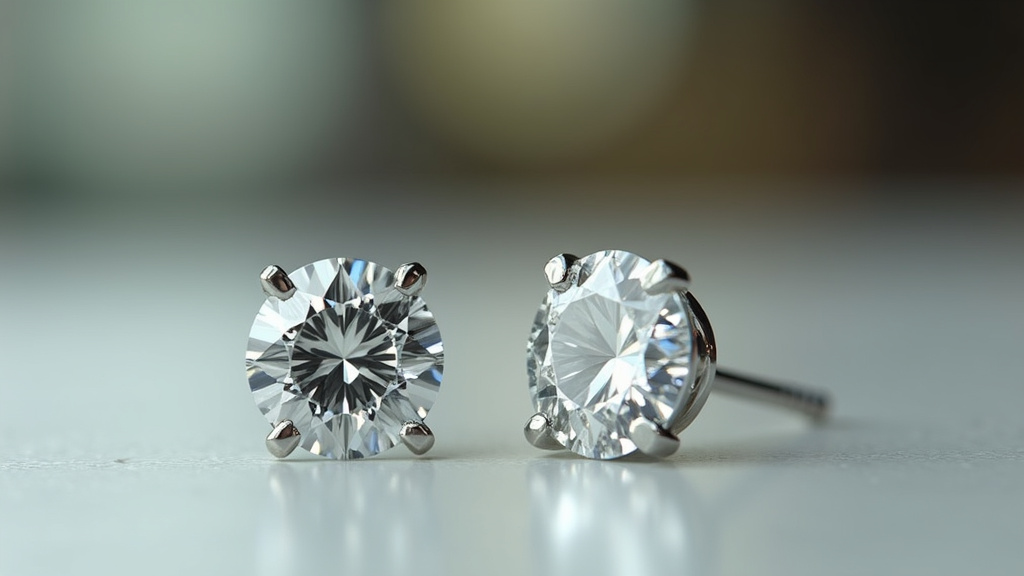
Lab-grown diamonds, while a relatively new concept, have revolutionized the diamond industry. The science behind their creation involves advanced technology that mimics the natural process of diamond formation deep within the Earth. Through a carefully controlled environment, labs can cultivate diamonds with the same chemical composition, physical properties, and optical characteristics as their naturally formed counterparts. This innovation not only offers an ethical alternative to traditional mining but also provides consumers with a wide range of choices.
The process begins with a seed, typically a small fragment of a real diamond, placed into a pressurized chamber. Here, carbon atoms are subjected to extreme heat (over 2000°C) and pressure (simulating the conditions of a geological process) until they bond together to form a diamond crystal. This method, known as chemical vapor deposition (CVD), allows for precise control over the diamond’s growth, ensuring its purity and quality. Unlike natural diamonds, which can take billions of years to form, lab-grown diamonds can be created in a matter of weeks, making them a more accessible and cost-effective option.
When considering lab-grown diamonds, it’s essential to understand that their cost is significantly lower than their natural counterparts. While prices can vary widely based on size, clarity, and cut, lab-grown diamonds generally offer a 30-50% savings compared to traditional diamonds of similar quality. This makes them an attractive choice for those seeking high-quality gemstones without the premium pricing. However, it’s crucial to choose a reputable source, as the quality can vary. Look for certified lab-grown diamonds from trusted suppliers to ensure you’re getting the best value, much like selecting a diamond from a well-regarded jeweler. By understanding the science and choosing wisely, consumers can expect stunning, high-quality lab-grown diamonds that are as remarkable as their natural counterparts, if not more so.
The Environmental and Ethical Benefits of Lab-Grown Diamonds
The environmental and ethical considerations surrounding lab-grown diamonds offer a compelling argument for consumers looking to make responsible choices. Unlike traditionally mined diamonds, which often come with significant ecological and social impacts, lab-grown diamonds are produced in a controlled, sustainable manner. This process eliminates the need for intensive mining operations that can lead to deforestation, water pollution, and the displacement of local communities.
Lab-grown diamonds are created through advanced technological methods that mimic the natural process of diamond formation. By using carbon and hydrogen gases under high pressure and temperature, these diamonds grow in a matter of weeks, as opposed to the millions of years it takes for naturally formed diamonds. This rapid growth means less energy consumption and a significantly reduced carbon footprint. According to a study by the Gemological Institute of America (GIA), lab-grown diamonds can save up to 85% of the energy used in traditional diamond mining.
When considering whether to choose lab-grown diamonds, it’s essential to understand the quality they offer. These diamonds are genetically identical to their naturally occurring counterparts, possessing the same physical and chemical properties. They come in various shapes, sizes, and colors, catering to diverse preferences and budgets. When selecting lab-grown diamonds, look for certificates of authenticity and guarantees from reputable sources. These assurances verify the diamond’s origin and quality, ensuring you get what you actually need—a beautiful, ethically sourced gemstone. By embracing lab-grown diamonds, consumers can make a positive impact while enjoying the same stunning characteristics expected from traditional diamonds.
Exploring the Market and Future of Lab Grown Diamonds
The market for lab grown diamonds is experiencing significant growth, driven by a growing awareness of their environmental and ethical benefits compared to traditionally mined diamonds. As consumers become more conscious of the social impact of their purchasing decisions, lab grown diamonds offer an appealing alternative that minimizes the risk of conflict and supports sustainable practices. In recent years, advancements in technology have led to remarkable improvements in the quality and appearance of these synthetic gems, making them nearly indistinguishable from natural diamonds.
When considering the purchase of a lab grown diamond, it’s crucial to understand its value proposition. Typically, a 1 carat lab grown diamond should cost considerably less than its natural counterpart, with prices ranging from $200 to $500 per carat, depending on cut, clarity, and color. This accessibility makes them an attractive option for those seeking high-quality jewelry without the premium price tag associated with naturally mined diamonds. For instance, a study by the Gemological Institute of America (GIA) found that lab grown diamonds can be as much as 30% to 40% cheaper than their natural counterparts while maintaining identical physical and chemical properties.
As the market matures, consumers can expect even more sophisticated cuts, designs, and customization options from lab grown diamond retailers. The future of these synthetic gems looks promising, with potential applications extending beyond traditional jewelry to industrial uses where their exceptional hardness and durability are prized. When hiring a provider for lab grown diamonds, look for reputable companies that offer transparency in sourcing, detailed certification, and after-sales support. This ensures you’re not only getting a high-quality product but also contributing to a more sustainable and ethical future for the gem industry.
Frequently Asked Questions About Lab Grown Diamonds
What are lab-grown diamonds?
Lab-grown diamonds, also known as cultivated or synthetic diamonds, are created in a controlled laboratory environment using advanced technology. This process mimics the natural formation of diamonds deep within the Earth, but in a much faster and more precise manner. Scientists use a combination of high pressure and temperature (HPHT) or chemical vapor deposition (CVD) to grow these diamonds, ensuring they have the same physical, chemical, and optical properties as their naturally occurring counterparts.
How are lab-grown diamonds different from naturally mined diamonds?
The primary distinction lies in their origin. While natural diamonds are formed over billions of years deep within the Earth’s mantle and brought to the surface through volcanic activity, lab-grown diamonds are created in a matter of weeks or months. Both types are composed of carbon atoms arranged in a crystalline structure, but lab-grown diamonds are free from the imperfections and inclusions often found in naturally mined stones, making them more transparent and often more pure.
Are lab-grown diamonds less valuable than natural diamonds?
The concept of value is subjective and depends on various factors. Historically, natural diamonds have commanded higher prices due to their rarity and the perceived romanticism associated with their natural formation. However, lab-grown diamonds offer an ethical and sustainable alternative, often at a lower cost. They possess the same rarity, beauty, and durability as natural diamonds, making them equally valuable in terms of their aesthetic appeal and use in jewelry.
Do lab-grown diamonds have the same quality as natural diamonds?
Yes, lab-grown diamonds and natural diamonds have identical physical, chemical, and optical properties. They are indistinguishable from natural diamonds under normal circumstances, even by trained gemologists. The quality of a diamond is determined by its cut, clarity, color, and carat weight—criteria that apply equally to both lab-grown and natural diamonds.
Are lab-grown diamonds eco-friendly?
Absolutely. The process of creating lab-grown diamonds significantly reduces the environmental impact compared to traditional mining. It minimizes the need for extensive mining operations, which often result in land degradation and the release of harmful chemicals. Lab-grown diamonds also eliminate the risk of human rights abuses and unsafe working conditions commonly associated with the mining industry.
Can lab-grown diamonds be recycled?
Yes, lab-grown diamonds can be recycled, just like natural diamonds. Since they are created in a laboratory setting, these diamonds can be reclaimed, refined, and reused, making them a sustainable choice. The recycling process involves breaking down the diamond, extracting the carbon atoms, and using them to grow new diamonds, thus closing the loop on diamond production.
Are lab-grown diamonds a new technology?
While the concept of creating diamonds in a lab has been around for decades, recent advancements in technology have made lab-grown diamonds more accessible and affordable. The process has evolved to be highly efficient, allowing for the production of high-quality diamonds on a larger scale. This advancement has sparked a revolution in the diamond industry, offering consumers an ethical and sustainable alternative to traditional mined diamonds.
Lab-grown diamonds represent a significant advancement in the gem industry, offering a sustainable and ethical alternative to traditionally mined diamonds. Through understanding the robust science behind their creation, we acknowledge the precision and innovation involved. The environmental and ethical benefits are profound, promising a reduced ecological footprint and ethical practices. As the market continues to evolve, lab-grown diamonds are poised to revolutionize the industry, providing consumers with a transparent and responsible choice. By embracing this technology, we not only satisfy our desire for beautiful gems but also contribute to a more sustainable and ethical future, ensuring the longevity and brilliance of these remarkable stones.
W. Kodak Jewelers
60 Newark St., Hoboken, NJ 07030
(201) 710-5490
Website: wkodakjewelers.com
View W. Kodak Jewelers on Google Maps
How to get to W. Kodak Jewelers from ShopRite of Hoboken
Driving in from ShopRite of Hoboken? W. Kodak Jewelers is a short drive away. Head out on Madison St and you'll find us on Newark St. at 60 Newark St., Hoboken, NJ 07030. Use the map below for turn-by-turn directions.