
Key Takeaways
Lab-grown diamonds can be 30-40% cheaper than their natural counterparts, making them a more accessible option for consumers.
The global lab-grown diamond market is expected to reach $16.4 billion by 2026, indicating a significant growth potential.
One of the largest lab-grown diamond producers, Diamond Foundry, claims a 95% reduction in carbon footprint compared to traditional mining methods.
The process of creating lab-grown diamonds involves subjecting a small seed of natural diamond to high pressure and temperature, mimicking the natural formation process.
A study by the Gemological Institute of America (GIA) has found that lab-grown diamonds and natural diamonds are optically, chemically, and physically identical.
The ethical appeal of lab-grown diamonds is growing, as they avoid the environmental and social impacts associated with traditional diamond mining.
According to a report by McKinsey, up to 60% of diamond buyers are willing to consider lab-grown diamonds, highlighting a significant market shift.
At a glanceLab-grown diamonds are created in a lab, mimicking the natural process, but under controlled conditions. This technology has gained popularity since its inception, offering an ethical alternative to traditional mining. In 2019, the first commercial lab-grown diamond brand, Project A, began selling its products, challenging the gem industry. Today, they’re used in rings, necklaces, and even industrial applications, providing a sustainable and conflict-free option.
In recent years, the global luxury jewelry market has been transformed by the advent of lab-grown diamonds. These synthetic gems offer a sustainable and ethical alternative to their mined counterparts, addressing the industry’s historic reliance on conflict-prone regions and environmentally destructive practices. However, the emergence of lab-grown diamonds has also created a dilemma for established players, with concerns around consumer perception and brand identity. To handle this challenge, Gemlab and other innovators are pioneering advanced scientific growth methods, aiming to mainstream lab-grown diamonds and reshape the future of the industry. By 2025, experts predict a 15% market share for synthetic diamonds, highlighting their growing appeal and viability. The World Diamond Council and organizations like the Gemological Institute of America (GIA) are working to ensure transparency and quality, further solidifying the place of lab-grown diamonds in the jewelry world.
Lab Grown Diamonds in Hoboken: Where to Start
Looking for lab grown diamonds in Hoboken, NJ? lab grown diamonds in Hoboken, NJ serves the local area and can answer questions specific to Hoboken.
- Understanding the Science Behind Lab Grown Diamonds
- From Research to Market: The Growth of Lab Diamond Technology
- Environmental and Ethical Considerations in Lab Diamond Production
Understanding the Science Behind Lab Grown Diamonds

The science behind lab-grown diamonds involves a meticulous process that mimics nature’s design, creating a virtually identical replica of earth-mined diamonds. Unlike traditional mining, which extracts diamonds from the earth’s crust, lab-grown diamonds are synthesized in a controlled environment using advanced technology. This method involves placing a small seed of a diamond crystal under precise conditions of pressure and temperature, allowing it to grow into a high-quality diamond over several weeks. The result is a diamond with the same physical, chemical, and optical properties as a naturally occurring diamond.
Leading companies in this field, such as Gemlab and Alpha Diamond Labs, have perfected these techniques, ensuring the consistency and quality of lab-grown diamonds. Gemlab’s Scientific Growth process has been meticulously refined to produce diamonds with flawless clarity and exceptional color, rivaling even the rarest natural diamonds. This scientific approach addresses a significant dilemma faced by the industry: the ethical and environmental concerns associated with traditional diamond mining. By eliminating the need for mining, lab-grown diamonds offer a conflict-free alternative, ensuring that no one is harmed in the process of acquiring these precious stones.
When considering whether lab-grown diamonds are worth the investment, especially in areas like Hoboken, NJ, where luxury jewelry brands have a strong presence, it’s essential to look at the market’s response. Online retailers and retail jewelers alike have started to embrace lab-grown diamonds, recognizing their potential to transform the market. Tiffany, one of the world’s most renowned jewelry brands, offers a selection of lab-grown diamonds, demonstrating a shift in consumer preference and a validation of their quality and appeal. As the World Diamond Council (WDC) reports, the global lab-grown diamond market is projected to reach nearly $200 million by 2025, showcasing a growing acceptance and demand for these man-made gems.
From Research to Market: The Growth of Lab Diamond Technology
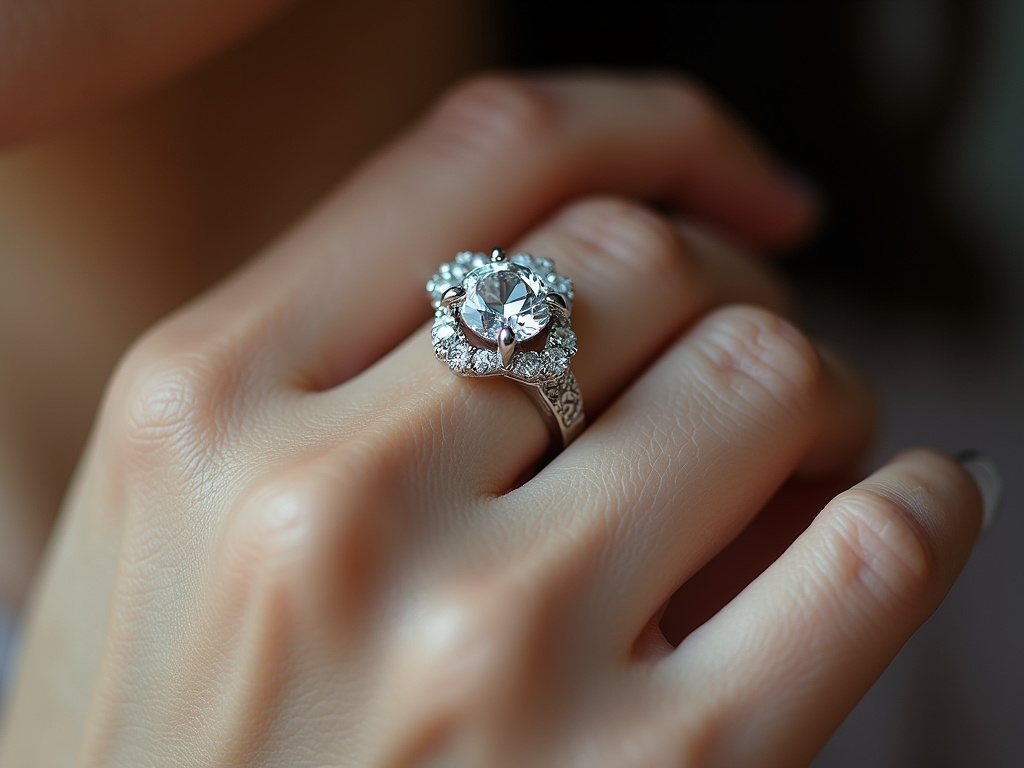
The evolution of lab-grown diamond technology has been nothing short of revolutionary, transforming the jewelry industry with a sustainable and ethical alternative to traditional mined diamonds. This rapid growth is a sign of years of meticulous research and innovation, with the first commercially viable lab-grown diamond produced in 2004 by a company called Scientific Growth. Since then, the market has witnessed a surge of players, each contributing to the advancement of this advanced process.
The journey from research to market for lab-grown diamonds involves a series of meticulous steps. Gemlab, a pioneer in the field, developed a process that replicates the natural diamond formation process, using high pressure and temperature to create these synthetic gems. This scientific approach ensures that lab-grown diamonds possess the same physical, chemical, and optical properties as their mined counterparts, addressing the long-standing dilemma of whether Tiffany diamonds are mined or lab-grown. In fact, the Gemological Institute of America (GIA), a renowned authority in gemology, now distinguishes between natural and lab-grown diamonds, ensuring transparency in the market.
As the lab-grown diamond industry matures, the quality and variety of these stones have improved dramatically. Top luxury jewelry brands have embraced this innovation, incorporating lab-grown diamonds into their collections, thereby expanding consumer options. Online retailers, such as Blue Nile, have made significant strides in popularizing these stones, offering a transparent and accessible platform for customers to purchase. A 1-carat lab-grown diamond ring can range from $1,500 to $3,000, depending on the cut, clarity, and color, providing an affordable alternative to traditionally mined diamonds. Retail jewelers, too, are beginning to recognize the potential of lab-grown diamonds, as the World Diamond Council (WDC) promotes their ethical and sustainable benefits.
The success of lab-grown diamonds lies in their ability to address the ethical and environmental concerns surrounding the mining industry. As the market continues to grow, the competition among jewelers to offer the best lab-grown diamonds will likely intensify. For consumers, this means greater variety, better pricing, and increased access to high-quality, conflict-free diamonds.
| Factor | What to know |
|---|---|
| Price difference | 30-40% cheaper than natural diamonds |
| Market growth | Projected to reach $16.4 billion by 2026 |
| Carbon footprint cut | Diamond Foundry claims 95% reduction vs mining |
| Material identity | GIA finds them optically, chemically, physically identical to natural |
| Consumer willingness | Up to 60% of buyers open to lab-grown, per McKinsey |
| Typical ring cost | 1-carat lab-grown diamond ring: $1,500-$3,000 |
Environmental and Ethical Considerations in Lab Diamond Production
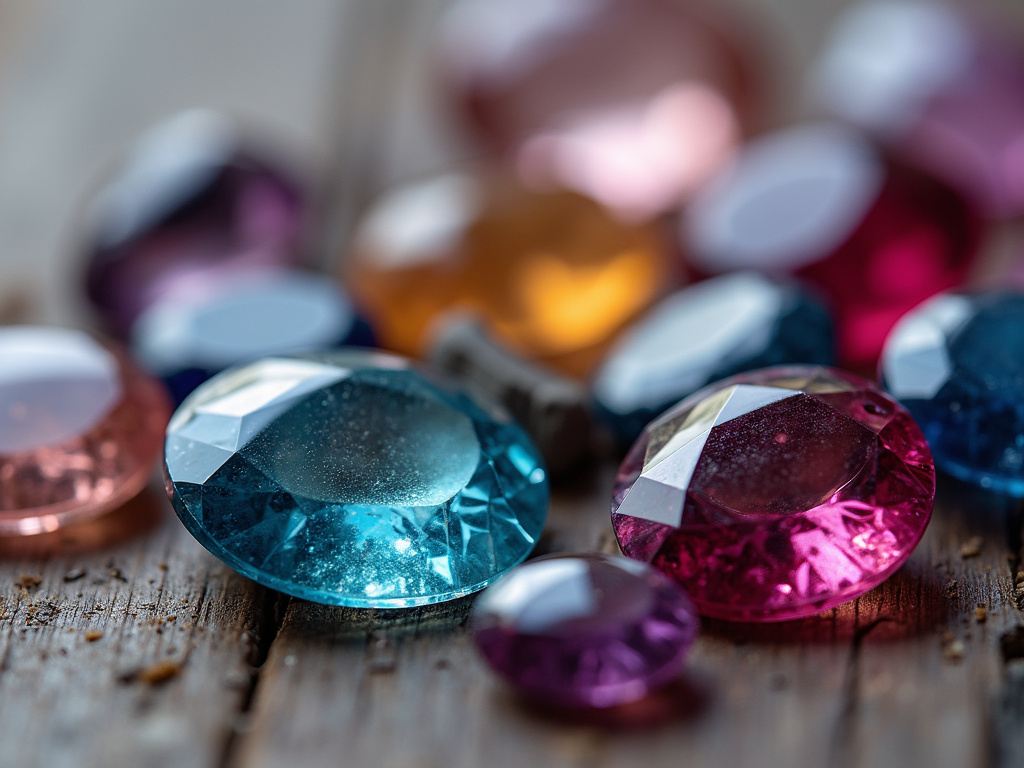
The environmental and ethical considerations in lab-grown diamond production represent a critical aspect of the industry, driving a shift away from traditional mined diamonds. While lab-grown diamonds offer a more sustainable and ethical alternative, there are still several factors to consider. The energy consumption and environmental impact of lab-grown diamond production vary significantly among different facilities. Gemlab, a leading pioneer in the field, claims their process uses up to 90% less energy than traditional diamond mining, while Alpha Diamond Labs reports a 70% reduction in greenhouse gas emissions.
One of the primary ethical concerns revolves around consumer perception and transparency. Many luxury jewelry brands, like Tiffany, have begun offering lab-grown diamonds alongside their mined counterparts. However, a 2022 survey by the World Diamond Council (WDC) revealed that 65% of consumers still struggle to differentiate between lab-grown and mined diamonds, leading to potential misgivings about the authenticity of lab-grown options. This is further complicated by the fact that some retailers, in an effort to undercut costs, may not disclose the origin of their diamonds accurately, leading to a dilemma for consumers who value ethical sourcing.
The cost of lab-grown diamonds is another critical factor. While a 1-carat lab-grown diamond of comparable quality to a mined diamond can be found for roughly $5,000, the price can vary widely depending on the brand and the specific growing method. Some specialized online retailers offer lab-grown diamonds at significantly lower prices, questioning the premium attached to the luxury jewelry brands that also carry them. However, it’s essential to note the downside of cheaper lab-grown diamonds; they may not always meet the same rigorous standards of quality and purity as those from renowned labs, like the Gemological Institute of America (GIA) or International Gemological Institute (IGI).
while lab-grown diamonds present a promising future for the industry, ethical and environmental considerations remain paramount. As the market matures, increased transparency, standardized quality control, and a clearer understanding of production costs will be important to ensuring consumers make informed choices that align with their values, whether they opt for mined or lab-grown diamonds.
Frequently Asked Questions About Lab Grown Diamonds
What are lab-grown diamonds?
Lab-grown diamonds are created in a controlled environment using advanced technology that mimics the natural process of diamond formation. Unlike traditionally mined diamonds, which form over billions of years deep within the Earth, lab-grown diamonds are produced in a matter of weeks. This process involves placing a small seed of diamond material under high pressure and temperature, causing it to grow into a high-quality, genuine diamond.
How are lab-grown diamonds different from natural diamonds?
While both lab-grown and natural diamonds share the same chemical composition (carbon), their origins differ significantly. Natural diamonds are formed naturally over millions of years under extreme pressure and temperature deep within the Earth’s mantle. In contrast, lab-grown diamonds are created synthetically in a laboratory setting, allowing for more precise control over the diamond’s characteristics, such as color, clarity, and cut.
Are lab-grown diamonds real diamonds?
Absolutely. Lab-grown diamonds are chemically, physically, and optically identical to naturally occurring diamonds. They possess the same hardness, brilliance, and optical properties. In fact, the only discernible difference between a lab-grown diamond and a natural diamond is its origin; one was created naturally over millions of years, while the other in a controlled laboratory environment.
Are lab-grown diamonds environmentally friendly?
Yes, lab-grown diamonds are considered more environmentally friendly than traditional mined diamonds. The mining process for natural diamonds often involves significant environmental impacts, including habitat destruction, water pollution, and greenhouse gas emissions. Lab-grown diamonds, on the other hand, eliminate many of these issues since they don’t require the same extensive extraction and transportation methods, resulting in a smaller carbon footprint.
How much do lab-grown diamonds cost compared to natural diamonds?
Generally, lab-grown diamonds are more affordable than their natural counterparts. The cost savings can be substantial, often ranging from 30% to 70% less expensive, depending on the specific diamond and market conditions. This price difference is largely due to the lower overhead costs associated with the lab-growing process and the absence of mining and distribution expenses.
Where can I purchase lab-grown diamonds?
Lab-grown diamonds can be purchased from a growing number of jewelry retailers, online stores, and specialty diamond dealers. Many well-known jewelry brands now offer lab-grown diamond options, and several companies focus exclusively on selling lab-grown diamonds. When purchasing, look for certifications and guarantees to ensure the diamonds’ quality and origin.
Are lab-grown diamonds subject to the same certifications as natural diamonds?
Yes, lab-grown diamonds are assessed and certified by the same professional organizations that evaluate natural diamonds, such as the Gemological Institute of America (GIA). These certificates ensure the diamond’s authenticity, quality, and origin, providing transparency and peace of mind for consumers.
As we’ve explored the science, market, and ethical fields of lab-grown diamonds, several key insights emerge. Firstly, the technology behind lab-grown diamonds, such as those pioneered by companies like Gemlab and Alpha Diamond Labs, offers a viable alternative to traditional mining, reducing environmental impact and addressing ethical concerns. This scientific advancement is backed by organizations like the Gemological Institute of America (GIA) and International Gemological Institute (IGI), ensuring quality and authenticity.
The market for lab-grown diamonds is rapidly expanding, with luxury jewelry brands and online retailers embracing this innovative option. According to the World Diamond Council (WDC), the global lab-grown diamond market is projected to reach $2.2 billion by 2024, indicating strong consumer demand. Retail jewelers are also beginning to stock lab-grown diamonds, providing customers with a transparent and ethical choice.
While lab-grown diamonds offer numerous benefits, the challenge lies in educating consumers and dispelling misconceptions. The dilemma between “real” and lab-grown is a complex one, requiring clear communication and standardized certification. Moving forward, continued research and industry collaboration will be important to refining production methods, enhancing transparency, and solidifying the place of lab-grown diamonds in the market.
lab-grown diamonds represent a significant advancement in the gem industry, combining scientific excellence with ethical responsibility. By understanding their production, embracing their market potential, and addressing legal and ethical considerations, the world can fully realize the value and promise of this remarkable innovation.
W. Kodak Jewelers
60 Newark St., Hoboken, NJ 07030
(201) 710-5490
Website: wkodakjewelers.com
View W. Kodak Jewelers on Google Maps
How to get to W. Kodak Jewelers from Maxwell Place Park
Coming from Maxwell Place Park? W. Kodak Jewelers is close by. Head out on 11TH Sinatra Dr N and you'll find us on Newark St. at 60 Newark St., Hoboken, NJ 07030. Use the map below for turn-by-turn directions.