
At a glanceLab-grown diamonds are created in a controlled environment, mimicking nature’s process. They share the same physical and chemical properties as earth-mined diamonds. This process involves high pressure and temperature, but without the environmental impact or human rights concerns of traditional mining. Austin’s growing popularity for sustainable luxury makes lab-grown diamonds a modern, ethical choice.
Key Takeaways
- Lab-grown diamonds offer a sustainable alternative, reducing environmental impact and carbon footprint compared to traditional mining.
- They are created in a controlled environment, ensuring consistent quality and color, often at a lower price point.
- This innovative process has gained traction in the luxury market, appealing to environmentally conscious consumers.
- With ethical sourcing and production methods, lab-grown diamonds can be a responsible choice for jewelry buyers.
- The technology behind them continues to evolve, potentially opening up new possibilities for customization and design.
- Local regulations and consumer awareness play an important role in the adoption and acceptance of lab-grown gems.
- Many renowned jewelers are now embracing this trend, showcasing the versatility and appeal of lab-grown diamonds.
In recent years, the global market has witnessed a growing trend towards lab-grown diamonds, challenging the dominance of naturally mined stones. This shift is driven by a complex web of ethical, environmental, and economic factors. The primary concern revolves around the ethical implications of conflict-free sourcing, as consumers become increasingly aware of the social impact of traditional mining.
The problem, however, extends beyond ethical considerations. The environmental footprint of diamond mining is substantial, with high water consumption and land degradation among the significant impacts. Lab-grown diamonds offer a promising solution by replicating the natural process in a controlled, sustainable environment.
This article examines the world of lab-grown diamonds, exploring the industry’s leaders, the latest innovations, and the evolving consumer field. By understanding these aspects, we can appreciate the major potential of lab-grown diamonds in the global jewelry market.
- Understanding the Lab Grown Diamond Process
- Benefits and Applications: A Growing Market
- Ensuring Quality and Ethical Production
Lab Grown Diamonds in Hoboken: Where to Start
Looking for lab grown diamonds in Hoboken, NJ? W. Kodak Jewelers serves the local area and can answer questions specific to Hoboken.
Understanding the Lab Grown Diamond Process
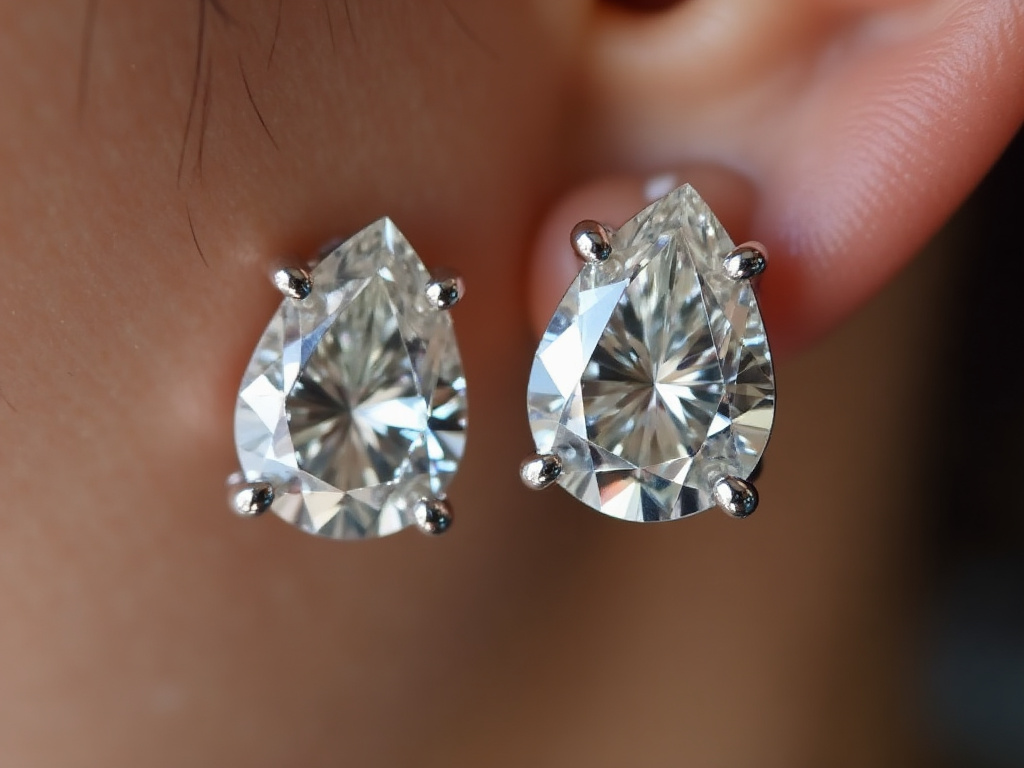
The lab-grown diamond process is a fascinating journey from concept to gem, offering an alternative to traditional mined diamonds. Unlike their natural counterparts, these diamonds are created in a controlled environment using advanced technology. The process starts with a seed, often a tiny fragment of a natural diamond, which is placed in a specialized chamber. Here, heat and pressure are applied, mimicking the conditions deep within the Earth, causing the seed to grow into a diamond crystal over several weeks. This method ensures a consistent supply of high-quality diamonds, free from the ethical and environmental concerns associated with mining.
While lab-grown diamonds are nearly identical to their mined counterparts in terms of physical properties, there are subtle differences that can impact their value and market price. The cost of a 1-carat lab-grown diamond can vary, but on average, you might expect to pay less than half the price of a similar natural diamond. However, factors like color, clarity, and the specific method of growth can significantly influence pricing. It’s essential to remember that while lab-grown diamonds offer an ethical and sustainable alternative, they are still a luxury product, and the price should reflect their quality.
The time required to grow a lab-grown diamond varies depending on the facility and the specific requirements. In Hoboken, for instance, the process can take approximately 1-3 weeks from start to finish. This relatively quick turnaround is one of the advantages that has driven the increasing popularity of lab-grown diamonds. While the technology is relatively new, improvements in growth techniques and equipment are constantly being made, leading to faster growth cycles and more efficient production.
One potential downside of lab-grown diamonds is the perception among some consumers that they are less special or unique than traditionally mined diamonds. However, this perspective is changing as more people learn about the ethical and environmental benefits. The certificate and documentation provided with lab-grown diamonds should be thorough and from a reputable gemological institute, ensuring the stone’s authenticity and quality. By understanding these nuances, consumers can make informed decisions and appreciate the remarkable process behind these modern gems.
Benefits and Applications: A Growing Market
The lab-grown diamond market is experiencing significant growth, driven by a combination of factors. For consumers in Hoboken seeking high-quality, ethically-sourced gems, lab-grown diamonds offer a compelling alternative to traditional mined diamonds. This process involves creating a diamond in a controlled environment, using advanced techniques that replicate the natural formation process. Companies like Gemlab and Scientific Growth are leading the way in this innovative space, providing luxury jewelry brands and online retailers with a sustainable and ethical option.
While lab-grown diamonds present numerous benefits, including reduced environmental impact and ethical sourcing, they do come with certain drawbacks. The primary downside lies in the price point—lab-grown diamonds are often more affordable than their natural counterparts, but they still command a premium. Despite the advanced technology involved, there are still perceptions of lower quality among some consumers. However, leading certification bodies like the Gemological Institute of America (GIA) and International Gemological Institute (IGI) ensure the authenticity and quality of lab-grown gems, addressing these concerns.
In Hoboken, the growing interest in lab-grown diamonds is reflected in the diverse offerings of local retailers. Many retail jewelers are now stocking certified lab-grown diamonds, providing customers with a transparent and ethical choice. Online retailers are leveraging the digital space to reach a broader audience, making lab-grown diamonds more accessible than ever. For those questioning "is lab-grown diamonds worth it in Hoboken?", the increasing popularity and the availability of high-quality options suggest a strong market for these alternative gems.
The lab-grown diamond process itself is fascinating, involving intricate steps that mimic nature. Companies like Alpha Diamond Labs utilize advanced technologies, such as chemical vapor deposition, to grow diamonds layer by layer, resulting in a product that’s virtually indistinguishable from a naturally formed diamond. This level of precision ensures not only the visual appeal but also the structural integrity of the diamond. Understanding this process can help consumers appreciate the science and craftsmanship behind lab-grown diamonds, further encouraging their adoption in the market.
Ensuring Quality and Ethical Production
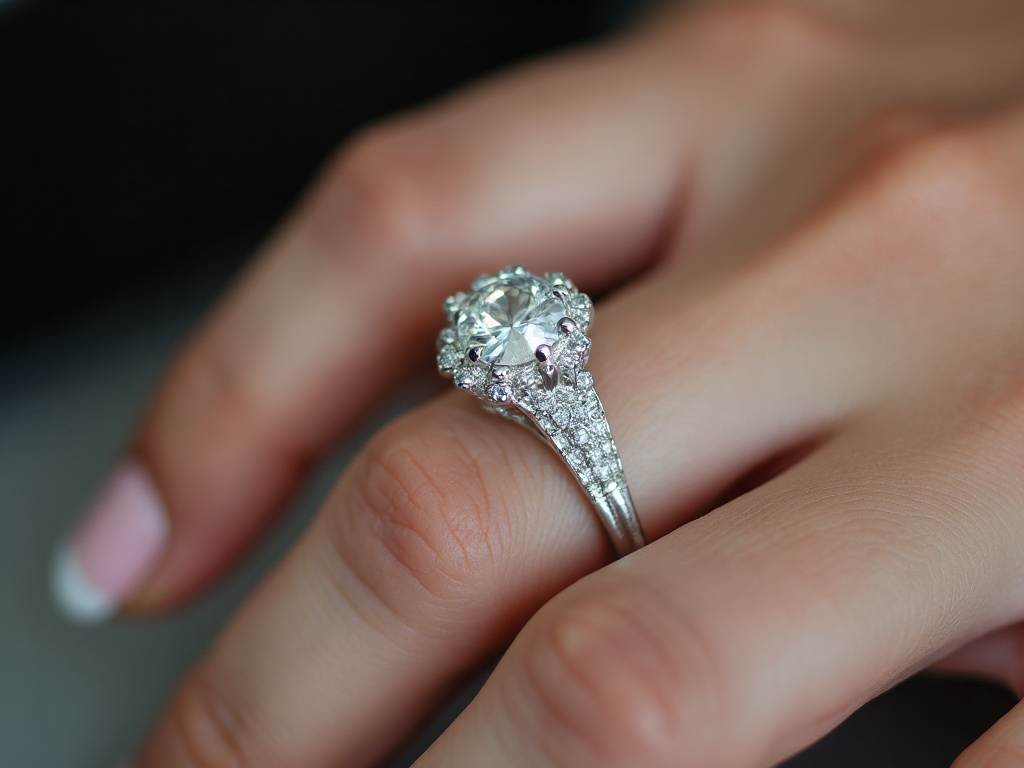
Ensuring the quality and ethical production of lab-grown diamonds is paramount for consumers looking to make informed choices, particularly in a city like Hoboken where luxury jewelry options are abundant. To qualify as a lab-grown diamond in Hoboken, or anywhere, it must meet specific standards set by reputable certifying organizations. These standards ensure that the diamond’s creation is both sustainable and conflict-free, addressing concerns that have historically plagued the mined diamond industry.
Unlike mined diamonds, where ethical considerations can be complex and murky, lab-grown diamonds offer a more transparent path. Certification from organizations like the Gemological Institute of America (GIA) and International Gemological Institute (IGI) ensures that the diamond was created in a controlled, ethical environment. This process involves meticulous tracking of the diamond’s origin and treatment, providing consumers with a clear understanding of its provenance. A lab-grown diamond from Hoboken certified by GIA can reassure its owner that it was not only created in a sustainable manner but also free from the potential taint of conflict resources.
The appeal of lab-grown diamonds, such as those considered by Tiffany & Co., lies not only in their ethical production but also in their comparable quality to their mined counterparts. This is an important aspect to consider when asking "Is lab-grown diamonds worth it?" in Hoboken. While the initial cost might be higher than that of a comparable mined diamond, the value extends beyond price. Lab-grown diamonds offer peace of mind, knowing that they do not contribute to environmental degradation or human rights abuses. They are often more affordable in the long run, as the sustainable production process reduces the need for ongoing mining and extraction efforts. This makes them a viable option for those seeking a high-quality, ethical alternative in the Hoboken market.
Frequently Asked Questions About Lab Grown Diamonds
What are lab-grown diamonds?
Lab-grown diamonds are created in a controlled environment, mimicking the natural diamond-formation process. They have the same physical, chemical, and optical properties as earth-mined diamonds but are produced in laboratories. This process reduces the environmental impact and ethical concerns associated with traditional diamond mining.
How are lab-grown diamonds made?
There are two main methods to grow diamonds in a lab: chemical vapor deposition (CVD) and high-pressure high-temperature (HPHT). CVD uses a gas mixture to deposit a thin layer of diamond onto a substrate, while HPHT uses intense heat and pressure to create diamond crystals from a small seed. Both methods result in authentic diamonds, but CVD is more cost-effective and versatile.
Are lab-grown diamonds real diamonds?
Yes, lab-grown diamonds are real diamonds in every sense. They possess the same carbon crystal structure, hardness, and optical properties as naturally occurring diamonds. The only difference is their origin; lab-grown diamonds are created artificially rather than mined from the earth.
What are the environmental benefits of lab-grown diamonds?
By eliminating the need for mining, lab-grown diamonds significantly reduce the environmental impact. Traditional diamond mining contributes to habitat destruction, water pollution, and human rights issues. Lab-grown diamonds offer a more sustainable and ethical alternative, minimizing these negative effects.
Are lab-grown diamonds more affordable than natural diamonds?
Generally, lab-grown diamonds are more affordable than their natural counterparts. The controlled nature of the growth process allows for better quality control and efficient production, reducing the overall cost. This affordability makes lab-grown diamonds an attractive option for consumers seeking a high-quality, ethical, and cost-effective alternative.
Can lab-grown diamonds be distinguished from natural diamonds?
While advanced techniques are required, it’s possible to distinguish lab-grown diamonds from natural ones. Some methods include laser inscriptions, which are unique to lab-grown diamonds, and specialized testing equipment that analyzes the crystal structure. These distinctions ensure transparency and authenticity.
Are lab-grown diamonds suitable for all types of jewelry?
Absolutely. Lab-grown diamonds have the same versatility as natural diamonds and can be used in various jewelry pieces, from engagement rings to earrings and pendants. Their durability and brilliance make them a popular choice among jewelers and consumers alike.
As we’ve explored the field of lab-grown diamonds, several key insights emerge. Firstly, the process of creating lab-grown diamonds offers a sustainable and ethical alternative to traditional mining, addressing environmental and human rights concerns. Secondly, the benefits of lab-grown diamonds, including consistent quality, conflict-free sourcing, and often lower environmental impact, are driving a growing market, attracting luxury jewelry brands and discerning consumers. Lastly, strict quality control and ethical production practices, overseen by reputable organizations like the Gemological Institute of America (GIA) and International Gemological Institute (IGI), ensure that these diamonds meet the same standards as their natural counterparts.
Practical next steps include seeking out certified lab-grown diamonds from trusted retailers, staying informed on industry developments, and supporting companies that prioritize ethical and sustainable practices. By doing so, consumers can make informed choices while contributing to the growth of this responsible and innovative industry. The future of lab-grown diamonds looks bright, with a growing acceptance and appreciation for their unique value proposition.
W. Kodak Jewelers
60 Newark St., Hoboken, NJ 07030
(201) 710-5490
Website: wkodakjewelers.com
View W. Kodak Jewelers on Google Maps
How to get to W. Kodak Jewelers from Hoboken Park
Starting near Hoboken Park? W. Kodak Jewelers is a short drive away. Head out on Pier A Park and you’ll find us on Newark St. at 60 Newark St., Hoboken, NJ 07030. Use the map below for turn-by-turn directions.