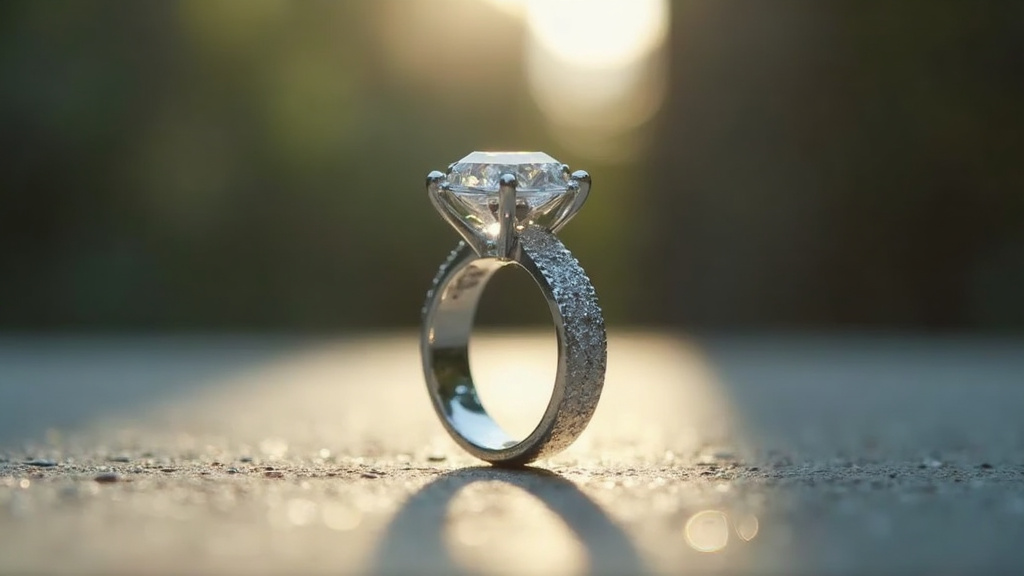
At a glanceLab-grown diamonds are real diamonds created in a lab, not mined from the Earth. They have the same physical and chemical properties as natural diamonds. This process uses less energy and water, and is more ethical, as it avoids the environmental impact of mining. They’re becoming increasingly popular, offering a sustainable alternative without compromising quality or sparkle.
Key Takeaways
Lab-grown diamonds are identical to their naturally-mined counterparts in terms of chemical composition and physical properties.
The process involves depositing layers of carbon atoms to form a diamond crystal, offering a more sustainable and ethical alternative to traditional mining.
While they’re more affordable than their natural counterparts, lab-grown diamonds are gaining acceptance in the luxury market due to their growing availability and recognition.
The technology has advanced to the point where lab-grown diamonds are nearly impossible for consumers to distinguish from natural ones.
Most lab-grown diamond production takes one to two days, significantly faster than the months or years required for natural diamond formation.
As consumer awareness grows, the market for lab-grown diamonds is projected to reach billions of dollars by 2025.
Ethical considerations, coupled with environmental benefits, are driving the growing popularity of lab-grown diamonds.
The demand for diamonds has sparked a crucial debate within the industry. The focus has shifted to lab grown diamonds as a sustainable and ethical alternative to traditionally mined gems. However, this shift is not without its complexities. The issue lies in reconciling the growing consumer interest in lab grown diamonds with the need to ensure quality, transparency, and consumer trust. This article examines the intricacies of lab grown diamonds, exploring their production processes, the legal and ethical frameworks surrounding them, and their market impact on luxury jewelry brands, online retailers, and retail jewelers. By the end, we aim to provide a practical guide to navigating this evolving landscape.
Lab Grown Diamonds in Hoboken: Where to Start
Looking for lab grown diamonds in Hoboken, NJ? lab grown pear shaped engagement ring serves the local area and can answer questions specific to Hoboken.
- Understanding the Lab Grown Diamond Process
- Benefits and Applications: Why Choose Lab Grown?
- The Future of Diamonds: Industry Trends and Impact
Understanding the Lab Grown Diamond Process

The process of creating lab-grown diamonds involves a complex series of steps that mimic nature’s crystal growth but under highly controlled conditions. In Hoboken, as in facilities around the world, this process starts with the seeding of a diamond crystal. A small fragment of natural diamond, known as a seed, is placed into a specialized container along with carbon-rich materials and a liquid solvent. This environment facilitates the growth of a new diamond crystal layer by layer, a process that can take several weeks. Once grown, these lab-created diamonds are cut and polished, often with unique characteristics that set them apart from their mined counterparts.
Unlike mined diamonds, which form over billions of years deep within the Earth, lab-grown diamonds are a relatively modern innovation. These labs can create diamonds with specific colors or unique inclusions, offering consumers a wider range of choices. However, even though lab-grown diamonds are ethically sourced and have a smaller environmental footprint, they still face some criticism. The primary downside often cited is the potential for consumer confusion; some buyers, especially when dealing with online retailers, might inadvertently purchase lab-grown diamonds thinking they are natural, which can impact the transparency and trust in the market.
These certifications, such as the GIA's certificate for lab-grown diamonds, help consumers verify the origin and authenticity of their diamonds. For luxury jewelry brands, retail jewelers, and online retailers, providing clear and accurate information about lab-grown diamonds is crucial. Offering detailed descriptions and education to customers can help dispel misconceptions and ensure a transparent and trustworthy diamond market.
Benefits and Applications: Why Choose Lab Grown?

Choosing lab-grown diamonds offers a compelling blend of sustainability, ethical sourcing, and affordability, making them a significant alternative to traditionally mined diamonds. Unlike mined diamonds, lab-grown diamonds are created in a controlled environment, ensuring a conflict-free supply chain and significantly reducing their environmental impact. This method eliminates the need for excavation, minimizing the risk of human rights abuses and ecological damage associated with mining.
One of the most immediate benefits is the speed of production. While natural diamonds can take billions of years to form, lab-grown diamonds are created in a matter of weeks. This rapid growth process also translates to a more accessible and affordable option for consumers, as lab-grown diamonds often cost significantly less than their natural counterparts.
However, it's important to consider the downside: lab-grown diamonds are not without their critics. Some argue that while they are conflict-free, they still contribute to the demand for synthetic gems, potentially impacting the market for natural diamonds and the economies of diamond-rich countries. While lab-grown diamonds are environmentally friendly, they do require energy and resources for their production, raising questions about their overall sustainability. As consumers, we must weigh these factors. The decision to choose lab-grown diamonds should be an informed one, balancing the ethical, environmental, and economic considerations.
| Factor | What to know |
|---|---|
| Price comparison | 1-carat lab diamond costs $2,000-$3,500 vs $10,000+ mined |
| Certification | GIA certificates help verify lab-grown diamond authenticity |
| Environmental impact | Uses less energy and water, avoids mining damage |
| Consumer confusion risk | Buyers may mistake lab-grown for natural diamonds online |
The Future of Diamonds: Industry Trends and Impact

The future of diamonds is being rewritten by lab-grown varieties, challenging the traditional mining industry and reshaping consumer expectations. As consumers become increasingly conscious of ethical sourcing, the appeal of conflict-free, scientifically-grown gems is growing. Unlike the intricate processes of nature, lab-grown diamonds are cultivated in a controlled environment, offering a sustainable and ethical alternative to mined diamonds. This trend is not just a passing fad; it’s a significant shift in the diamond market.
In Hoboken, as in cities across the globe, the question "Are lab-grown diamonds worth it? " is on many consumers' minds. While traditional diamonds often carry a hefty price tag, lab-grown diamonds offer a more accessible luxury. A 1-carat lab-grown diamond from reputable producers like Gemlab or Alpha Diamond Labs can cost anywhere from $2,000 to $3,500, compared to $10,000 or more for a similar mined diamond. This price difference is a significant draw, especially for younger buyers or those looking to invest in a diamond without breaking the bank.
Choosing the right jeweler is crucial when considering lab-grown diamonds. Consumers should look for retailers who specialize in these gems and can provide certifications from respected organizations like the Gemological Institute of America (GIA) or the International Gemological Institute (IGI). These certifications guarantee the diamond’s quality and origin, ensuring consumers get a genuine, conflict-free stone. Among Hoboken’s jewelers, some stand out for their commitment to lab-grown diamonds, offering a curated selection and expert advice. Certain online retailers and independent local jewelers have embraced this trend, providing customers with a transparent and educational experience, answering questions like "How much should a 1 carat lab-grown diamond cost?" with precision and integrity.
Frequently Asked Questions About Lab Grown Diamonds
What are lab-grown diamonds?
Lab-grown diamonds, also known as synthetic or cultivated diamonds, are created in a controlled laboratory environment rather than mined from the Earth. They are identical in chemical composition, physical properties, and optical characteristics to naturally occurring diamonds. The primary difference lies in their origin, with lab-grown diamonds offering a more sustainable and ethically-sourced alternative to traditional diamonds.
How are lab-grown diamonds made?
There are two primary methods for creating lab-grown diamonds:
-
High-Pressure High-Temperature (HPHT): This method replicates the natural process of diamond formation by applying intense heat and pressure to a mixture of carbon and other materials. This process causes the carbon to crystallize into a diamond.
-
Chemical Vapor Deposition (CVD): CVD involves depositing a thin layer of carbon onto a substrate, which then grows into a diamond crystal. This method allows for greater control over diamond characteristics like color and purity.
Are lab-grown diamonds real diamonds?
Absolutely. Lab-grown diamonds are 100% real diamonds. They share the same physical, chemical, and optical properties as naturally occurring diamonds. The only difference is their origin: one is mined from the Earth, while the other is created in a lab. Gemologists cannot distinguish them from naturally occurring diamonds based solely on visual inspection or testing methods.
What are the benefits of lab-grown diamonds?
Lab-grown diamonds offer several significant advantages:
-
Ethical sourcing: By avoiding the mining process, lab-grown diamonds promote ethical and sustainable practices, as they do not contribute to environmental degradation or human rights concerns associated with traditional diamond mining.
-
Environmental sustainability: The energy and resource consumption associated with lab-grown diamond production is significantly lower than that of mining, making them a more environmentally friendly choice.
-
Cost-effectiveness: Lab-grown diamonds are generally more affordable than their naturally occurring counterparts, offering a more budget-friendly option without sacrificing quality.
-
Accessibility: Lab-grown diamonds are available in a wider range of colors and cuts, making them a versatile choice for jewelry designers and consumers.
Are lab-grown diamonds less durable than natural diamonds?
No, lab-grown diamonds are equally as durable as naturally occurring diamonds. Both types have a hardness rating of 10 on the Mohs scale, meaning they are highly resistant to scratching and wear.
Where can I purchase lab-grown diamonds?
Lab-grown diamonds are readily available from a growing number of jewelry retailers, online stores, and direct from some manufacturers. Be sure to research reputable sellers who offer certification and warranties to ensure the quality and authenticity of your purchase.
As we've explored the landscape of lab-grown diamonds, several key insights emerge. This method allows for precise control over quality, color, and clarity, appealing to consumers seeking unique and conflict-free gems. The growing acceptance of lab-grown diamonds by luxury jewelry brands and online retailers underscores their place in the market as a legitimate and desirable choice.
The benefits of lab-grown diamonds are multifaceted: environmental preservation, ethical sourcing, and consistent quality. These factors have contributed to a rising trend in demand, as consumers become more conscious of the social and environmental impact of their purchases.
Looking ahead, the future of diamonds appears bright for lab-grown varieties. As technology advances and production methods become more efficient, we can expect to see a wider range of applications, from high-end jewelry to industrial uses. The industry’s growth will likely be driven by innovation in scientific growth techniques and increased consumer awareness.
In practical terms, the rise of lab-grown diamonds offers a promising path forward for both established jewelers and new entrants to the market. By embracing this technology, businesses can cater to the growing demand for ethical and sustainable products while maintaining profitability and market competitiveness.
W. Kodak Jewelers
60 Newark St., Hoboken, NJ 07030
(201) 710-5490
Website: wkodakjewelers.com
View W. Kodak Jewelers on Google Maps
How to get to W. Kodak Jewelers from Hoboken High School
Coming from Hoboken High School? W. Kodak Jewelers is close by. Head out on Clinton St and you’ll find us on Newark St. at 60 Newark St., Hoboken, NJ 07030. Use the map below for turn-by-turn directions.