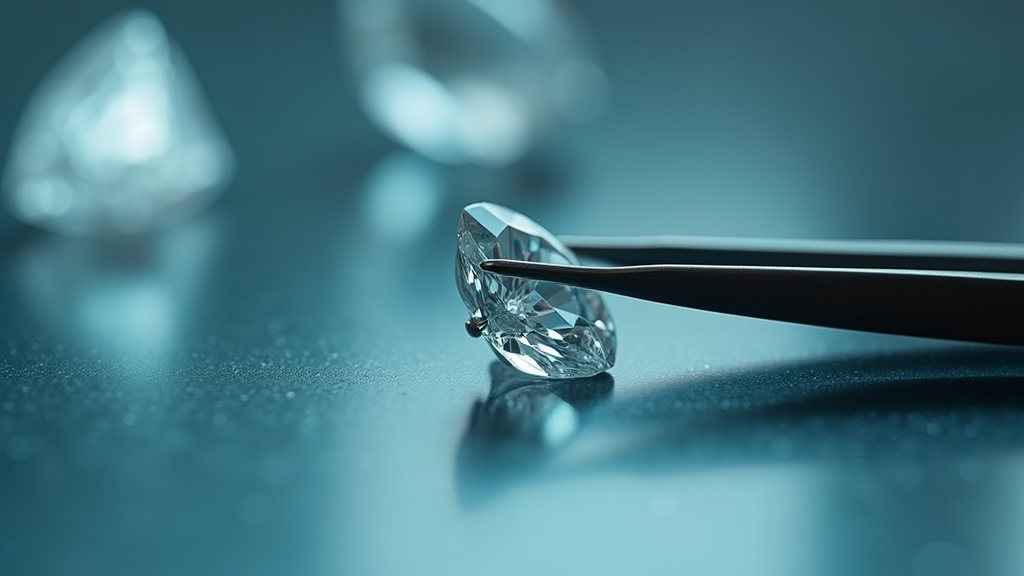
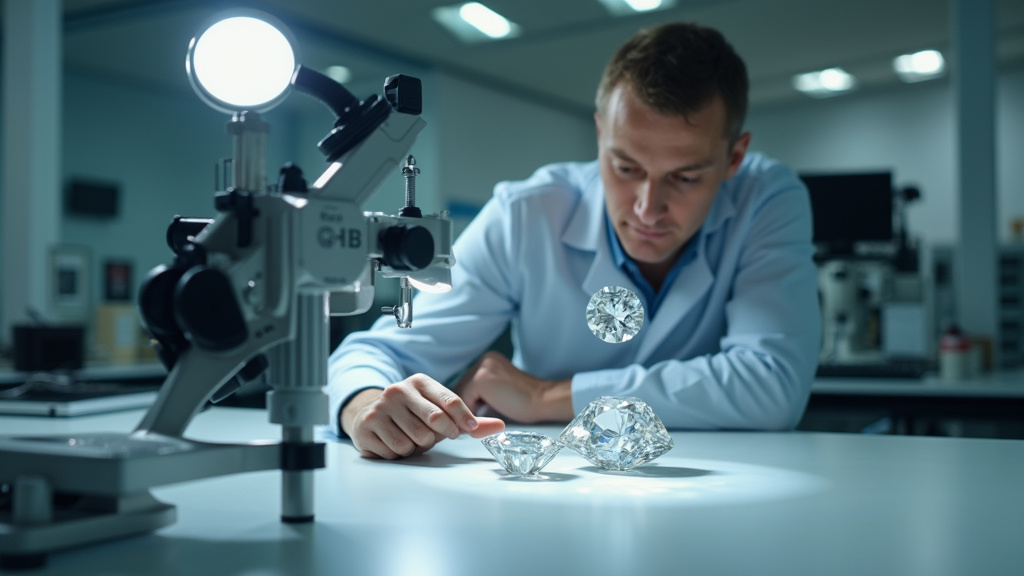
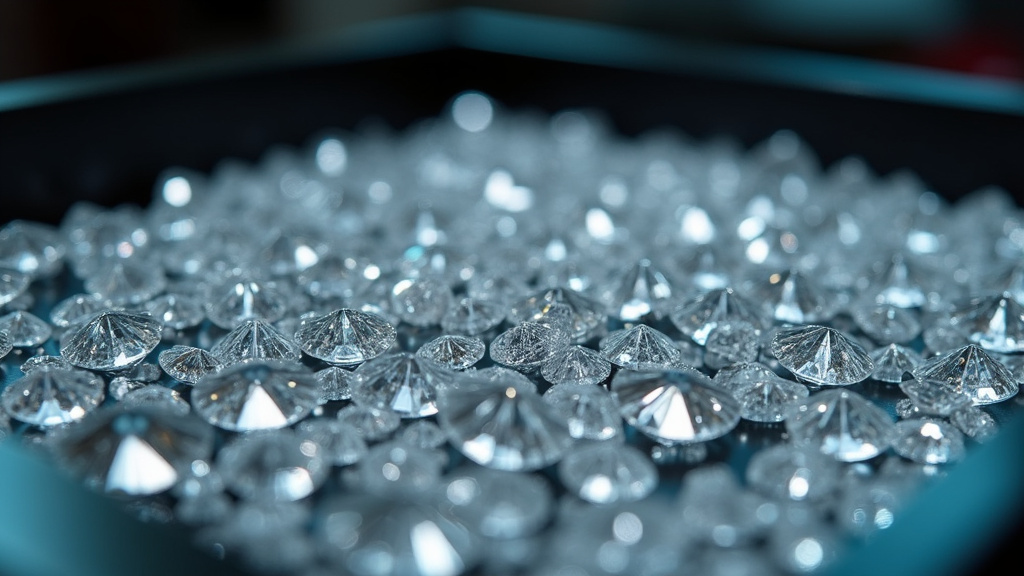
Revolutionizing the Diamond Industry: The Rise of Lab-Grown Diamonds
Overcoming the Ethical and Environmental Concerns of Traditional Diamonds
In a world where sustainability and ethical practices are at the forefront, the diamond industry faces significant challenges. The traditional method of mining diamonds has long been criticized for its environmental impact, human rights issues, and contribution to conflict zones. It's time for a transformative change, and lab-grown diamonds offer a compelling solution.
The Diamond Dilemma: Common Pain Points
-
Environmental Degradation: Mining operations leave deep ecological scars, causing habitat destruction, water pollution, and soil erosion. The extraction process consumes vast amounts of energy, contributing to global carbon emissions.
-
Human Rights Concerns: The diamond industry has been linked to human rights abuses, including child labor and forced work in conflict zones where diamonds are used to fund violent conflicts. Ensuring ethical sourcing remains a complex challenge.
-
Conflict and Uncertainty: Many diamonds come from regions plagued by political instability and conflict. Consumers often struggle with the idea of supporting industries that may fuel these conflicts or contribute to unethical practices.
-
Price Volatility: Traditional diamond prices are subject to market fluctuations, making it difficult for consumers to budget and plan when purchasing engagement rings or luxury items.
-
Limited Supply and Rare Varieties: Natural diamonds are finite resources, leading to concerns about future availability, especially for rare colored diamonds. This scarcity drives up prices and creates a sense of unease among buyers.
Introducing Lab-Grown Diamonds: A Sustainable Solution
Lab-grown diamonds emerge as a powerful alternative, addressing these pain points head-on:
Problem: Environmental Impact
-
Solution: Lab-grown diamonds are created in controlled environments, eliminating the need for large-scale mining operations. This process significantly reduces water usage, minimizes soil erosion, and avoids the release of harmful chemicals often associated with traditional mining.
-
Before & After: Traditional diamond mining leaves vast open-pit mines and toxic tailings ponds. In contrast, lab growing produces zero waste, ensuring a pristine environment with minimal ecological footprints.
Problem: Ethical Concerns and Human Rights
-
Solution: By eliminating the need for mined diamonds, lab-grown diamonds ensure no human rights abuses or unethical practices are indirectly supported. Every diamond is traceable, guaranteeing fair labor practices and conflict-free sourcing.
-
Customer Scenario: Sarah, an ethical consumer, wanted to propose to her partner but was concerned about the origin of traditional diamonds. She chose a lab-grown diamond engagement ring from a brand committed to transparent sourcing, ensuring her purchase aligned with her values.
Problem: Price Unpredictability
-
Solution: Lab-grown diamonds offer consistent pricing due to their man-made nature and controlled production. This predictability allows consumers to budget effectively without worrying about market fluctuations.
-
Testimonial: "I wanted to surprise my wife with a beautiful diamond ring, but the ever-changing prices made me hesitant. With lab-grown diamonds, I knew exactly what I was getting for a fair price." - John, satisfied customer.
Problem: Limited Supply and Rare Varieties
-
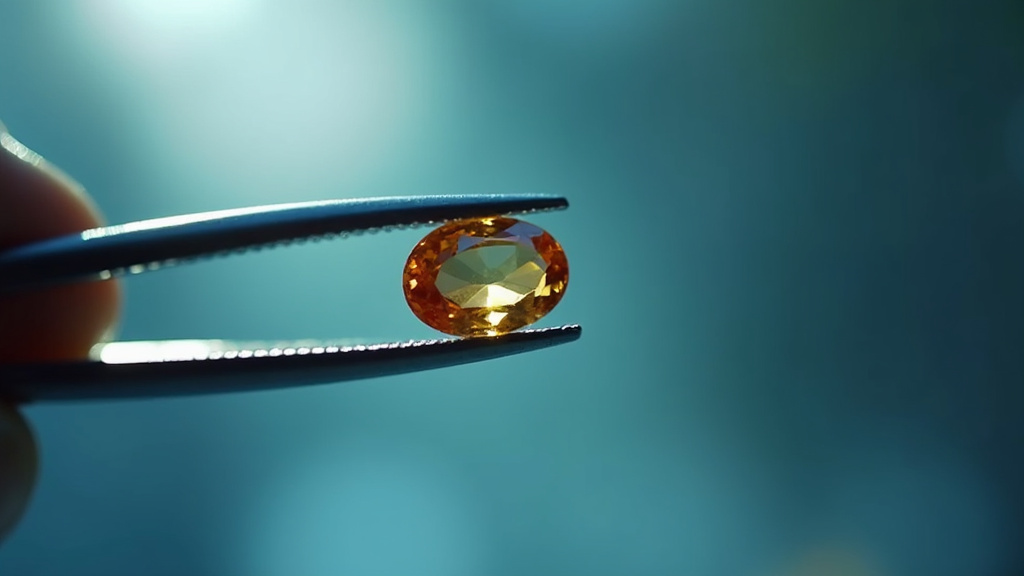
Solution: Lab technology allows for the creation of rare colored diamonds in consistent quantities. This ensures availability and gives consumers more options without the scarcity premium.
-
Industry Insight: A study by the Gemological Institute (GIA) revealed that lab-grown diamonds can exhibit unique color variations, catering to diverse consumer preferences.
Addressing Objections:
Q: Are lab-grown diamonds less valuable than natural ones?
A: False. Lab-grown diamonds have identical chemical and physical properties to naturally occurring diamonds. Their value depends on cut, clarity, and carat weight, not their origin.
Q: Can't lab technology replicate every diamond characteristic?
A: While advanced, lab technology currently excels in creating ideal specimens but struggles with certain unique natural traits. However, ongoing research aims to bridge this gap.
Implementation Timeline and Benefits:
-
Research & Development (2-3 years): Companies invest in R&D to perfect the process, ensuring high-quality diamonds.
-
Commercialization (1 year): Once stable, production scales up, making lab-grown diamonds accessible to the market.
-
Market Adoption: Consumers embrace the ethical and sustainable nature of lab-grown diamonds, driving demand and growth.
The Future of Diamonds: A Sustainable Legacy
Lab-grown diamonds represent a significant leap forward in the diamond industry, offering a responsible and innovative solution. By addressing critical pain points, this technology ensures a brighter future for both consumers and the planet. With growing awareness and acceptance, lab-grown diamonds are set to redefine luxury, one sparkling stone at a time.
October 3, 2026
alertblitz
Lab-grown diamonds are created in a lab using advanced technology to mimic the natural diamond formation process. They have the same physical and chemical properties as earth-mined diamonds but are…
Read more →
October 2, 2026
alertblitz
Lab-grown diamonds are created in a lab using advanced technology to mimic the natural process of diamond formation. They have the same chemical and physical properties as earth-mined diamonds but…
Read more →
October 1, 2026
alertblitz
Lab-grown diamonds are created in a lab using advanced technology to mimic the natural process of diamond formation. They have the same physical and chemical properties as earth-mined diamonds but…
Read more →
September 30, 2026
alertblitz
Lab-grown diamonds cost anywhere from $200 to $10,000 or more, depending on size, quality, and cut. They are generally less expensive than traditionally mined diamonds, offering a more affordable option…
Read more →
September 29, 2026
alertblitz
Lab-grown diamonds cost anywhere from $40 to $100 per carat, depending on quality and size. This is significantly lower than traditional mined diamonds, which can range from hundreds to thousands…
Read more →
September 28, 2026
alertblitz
The Lab Grown Diamonds process in Hoboken involves creating real diamonds in a lab using advanced technology. Instead of mining, scientists use a combination of heat and pressure to grow…
Read more →
September 27, 2026
alertblitz
Before hiring any Lab Grown Diamond service, ask about their growing process, ensuring it's ethical and eco-friendly . Verify certifications from reputable labs like GIA or IGI. Check the diamond's…
Read more →
September 26, 2026
alertblitz
You should hire Lab Grown Diamonds when you prioritize ethical and sustainable practices, seeking conflict-free gems with guaranteed quality. They offer an eco-conscious alternative to traditional mining, ensuring no harmful…
Read more →
September 25, 2026
alertblitz
Lab-grown diamonds take about 3 to 6 months to create. This process starts with a small seed of diamond, which is then grown under strict conditions using advanced technology. Unlike…
Read more →
September 24, 2026
alertblitz
You might not strictly need lab-grown diamonds, but they offer a sustainable and ethical alternative to traditionally mined ones. With the same physical and chemical properties, these diamonds are created…
Read more →